

ADVERTISEMENT
Friday, June 12, 2026
Tech | Business | Economy
No Result
View All Result
  • Technology
    • Trends
    • Telecoms
      • Broadband
    • ConsumerTech
      • Gadgets and Appliances
      • Apps
      • Accessories
      • Reviews
      • Unboxing
    • EnterpriseTECH
    • Security & Data Protection
    • How To
  • Business
    • Company News
    • StartUPs
      • Founder’s Story
      • Funding
    • Deals
    • People & Moves
    • SME & Entrepreneur Focus
    • BUSINESS SENSE FOR SMEs
    • Competition & Market Positioning
    • Commerce & Mobility
    • Travel
    • WomenPreneurs
  • Economy
    • Macroeconomic Trends
      • Macro Monday
      • TE Insights
    • Finance
      • Banks
      • Fintech
      • Insurance
      • Digital Assets
      • Personal Finance
    • Policies
      • Tech & Society
    • Market Analysis
    • Jobs & Workforce Economy
  • Features
    • Guest Writer
      • Chidiverse
      • Digital Assets
      • GameTech
    • EventDIARY
    • IndustryINFLUENCERS
    • MarkTECH
    • TBS
    • NewsEXTRA
  • Editorial
  • Brand Content
  • TECHECONOMY TV
Friday, June 12, 2026
Tech | Business | Economy
No Result
View All Result
Tech | Business | Economy
No Result
View All Result

Home » Formalizing Informal Businesses in Anambra for IGR Growth

Formalizing Informal Businesses in Anambra for IGR Growth

Joel Nwankwo by Joel Nwankwo
November 20, 2023
in Economy
Reading Time: 2 mins read
0
informal businesses

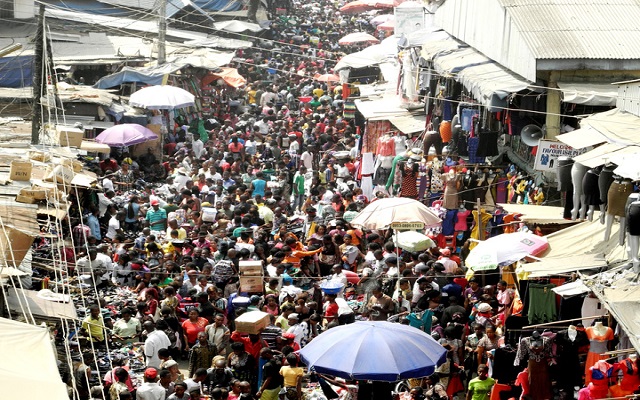
Onitsha main market

It is essential to create policies that formalize informal open market institutions, enable an organized market, and improve the state’s IGR to encourage inclusive commercial involvement. This article emphasizes how important policies are for raising IGR in a state like Anambra that is driven by informal businesses.

Given the enormous advantages that free markets frequently provide, government involvement in these areas should only be done when required. One concrete type of regulation is taxation. When the time comes, it should be done often enough to rationalize, combine, and streamline revenue.

Anambra was one of the five states with the highest cash flows in Nigeria, according to the CBN. The state is a significant business hub for its bordering states, but the state government is unable to tax them.

Governments in Anambra have struggled to match the state’s rapid economic growth to its IGR. This is a result of the open market structure that runs it, which makes regulation and taxation extremely challenging. The government in Anambra has to rely on tariffs or charge them for retail and storage space. The majority of these charges are never received by the government.

The tax laws of today will have a significant influence on how this emerging Internet-based sector of e-commerce develops. The “borderless” marketplace, where location, distance, and physical plant facilities are no longer necessary components (or barriers) to business transactions, will transform trade, in contrast to previous economic, industrial, and commercial developments. This calls for immediate action to legitimize Anambra State’s unofficial business hub.

Subscribe to our Telegram channel for the latest updates.

Follow the latest developments with instant alerts on breaking news, top stories, and trending headlines.

Join Channel

In an attempt to reach taxpayers operating as informal businesses, Anambra State recently developed an online digital company registration system, which is an uncommon move. Anambra Social Service Identity Number (ANSSID), a digital registration system, has seen enormous success. Businesses and workers in the unorganized sector are having trouble paying taxes in Anambra State, despite a rise in the number of business registrations.

The Anambra economy is mostly based on this sector, which includes waged labor, hair salons, minibusses, farmers, traders operating market stalls, private hospitals and pharmacies, etc. To completely optimize tax revenue, the gap between the number of employed individuals, registered companies, and tax-compliant individuals or companies must be bridged.

Given the economic effects of digitalization on every area of the economy, it is clearer than ever that the formal sector requires assistance to finance public spending and raise Anambra’s tax-to-GDP ratio.

The need to enumerate and tax the informal sector has become more imperative and should be made to contribute its fair share to the state’s tax revenues.

0Shares
Previous Post

Gambling Regulations in Nigeria: Should NLRC be Scrapped?

Next Post

Cybervergent Certified as a Great Place to Work

Joel Nwankwo

Joel Nwankwo

Joel Nwankwo is a tech journalist. He is passionate about telling stories as it relates to Africa's social and financial tech advancements. You can reach him at joel.nwankwo@techeconomy.ng

Related Posts

Winston Osuchukwu | Infrastructure Gaps Nigerian Lenders Can’t Ignore

Thee Infrastructure Gaps Nigerian Lenders Can’t Afford to Ignore 

June 12, 2026
Yellow Card in Fortune Crypto Innovators list | co-founders

Fortune Names Yellow Card among Top Global Crypto Innovators

June 11, 2026

Dangote Refinery Valued at $39.1bn as $1bn Share Sale Draws Strong Investor Demand

June 11, 2026
Load More
Next Post
Cybervergent great place to work

Cybervergent Certified as a Great Place to Work

Leave a Reply Cancel reply

Your email address will not be published. Required fields are marked *

I agree to the Terms & Conditions and Privacy Policy.

This site uses Akismet to reduce spam. Learn how your comment data is processed.

Techeconomy Podcast
Techeconomy Podcast

The Techeconomy Podcast is a thought-leadership show exploring the powerful intersection of technology, business, and the economy, with a strong focus on Africa’s fast-evolving digital landscape.

Financing the Future: Venture Debt, Local Capital & African Innovation | TBS May 2026 Webinar
byTecheconomy

Africa’s innovation ecosystem is evolving, but where will the funding for the next generation of startups come from?

In this edition of the Techeconomy Business Series (TBS) May 2026, industry experts explore how local capital, venture debt, and smarter investment structures are redefining startup growth and innovation across Africa.

🎙️ Featured Speakers:

* Ebunoluwa Ashley-Dejo

* Damilare Davola

* Success Ajilore (STN & Accelerated Plus)

Key conversations in this webinar include:

✔️ The future of startup financing in Africa

✔️ Venture debt and alternative funding models

✔️ The role of local investors in scaling innovation

✔️ Sustainable investment strategies for African startups

✔️ Opportunities and challenges in the African tech ecosystem

Subscribe for more conversations shaping Africa’s digital economy and innovation landscape.

#TBS2026 #AfricanInnovation #VentureDebt #StartupFinance #TechInAfrica #Techeconomy #AfricanStartups #InnovationEconomy

Financing the Future: Venture Debt, Local Capital & African Innovation | TBS May 2026 Webinar
May 27, 2026
Techeconomy
PROTECTING INNOVATION IN AFRICA’S STARTUP ECOSYSTEM
April 29, 2026
Techeconomy
BUILDING TRUST IN AFRICA ECOSYSTEM
February 27, 2026
Techeconomy
Navigating a Career in Tech Sales
January 29, 2026
Techeconomy
How Technology is Transforming Education, Health, and Business
November 27, 2025
Techeconomy
Search Results placeholder
MTN Live It 100 Thematic Campaign
ADVERTISEMENT
  • About Us
  • Careers
  • Contact Us
  • Privacy Policy

© 2026 TECHECONOMY.

No Result
View All Result
  • Technology
  • Business
  • Economy
  • Features
  • Editorial
  • Brand Content
  • TECHECONOMY TV

© 2026 TECHECONOMY.

This website uses cookies. By continuing to use this website you are giving consent to cookies being used. Visit our Privacy and Cookie Policy.


