
Gold has always symbolised enduring value, stability, and trust. In the digital age, however, the metaphor of “gold” is evolving beyond physical wealth into intangible assets such as data, knowledge, and digital trust.
Just as societies once mined rivers and mountains for precious metals, today’s civilisation mines algorithms, networks, and human creativity for prosperity.
Yet, unlike the predictable solidity of gold, digital wealth is fragile, contested, and vulnerable to exploitation.
This piece explores how the metaphor of evolving gold applies to three interconnected domains: cybersecurity, artificial intelligence (AI), and the future of work.
These domains are not isolated; they form a tripod of transformation shaping economies, governance, and human destiny.
To understand this evolution, we must examine how digital trust is secured, how intelligence is augmented, and how labour is redefined.
Cybersecurity: Guarding the Digital Gold
In the digital economy, trust is the new gold. Data integrity, privacy, and secure transactions underpin every aspect of modern life, from banking to healthcare, from governance to personal communication. Cybersecurity is therefore the vault in which this digital gold is stored.
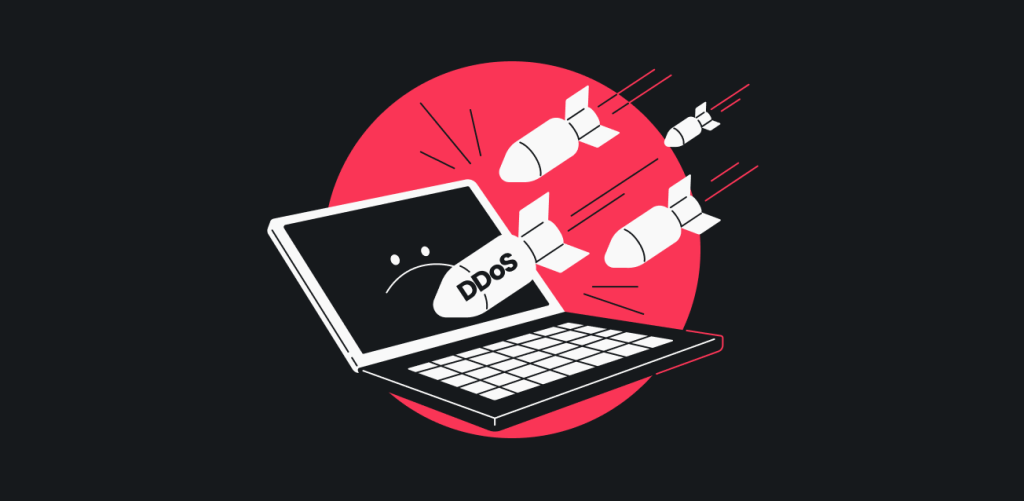
Yet, unlike physical vaults, digital vaults are constantly under siege. Cybercriminals, state actors, and rogue insiders exploit vulnerabilities in systems, often faster than defenders can patch them.
The rise of ransomware, supply chain attacks, and deepfake technologies demonstrates that digital gold is not only valuable but also perilously exposed.
For nations, cybersecurity is no longer a technical issue but a strategic imperative. The disruption of critical infrastructure, energy grids, financial systems, or electoral processes, can destabilise entire societies. Nigeria, Africa, and indeed the global community must therefore treat cybersecurity as a pillar of sovereignty.
The Tripod Model of Security Reform, which I have advocated, emphasises preventive frameworks that anticipate threats before they materialise, responsive mechanisms that neutralise attacks swiftly, and restorative strategies that rebuild trust and resilience after breaches.
This tripod ensures that digital gold remains protected not only for individuals but for nations and generations.
Cybersecurity is not merely about technology; it is about ethics. Who owns data? Who decides how it is used? Who bears responsibility when trust is broken? These questions are as critical as encryption algorithms.
The digital age demands a moral compass to ensure that the pursuit of profit does not erode the sanctity of privacy and human dignity.
Artificial Intelligence: Refining Digital Gold
If cybersecurity guards digital gold, artificial intelligence refines it. AI transforms raw data into actionable insights, predictive models, and autonomous systems.
It is the alchemy of the digital age, turning information into innovation. From healthcare diagnostics to financial forecasting, from climate modelling to personalised education, AI is reshaping every sector.
Yet, like alchemy, AI carries both promise and peril. Its capacity to amplify human potential is matched by its ability to magnify bias, inequality, and surveillance.
AI systems are only as fair as the data they are trained on. When datasets reflect historical inequities, algorithms perpetuate them.
Thus, the digital gold refined by AI can become tainted. Addressing bias requires deliberate frameworks for inclusion, transparency, and accountability.
For Africa, where data ecosystems are still emerging, there is a unique opportunity to build AI systems that reflect indigenous values, cultural diversity, and equitable aspirations. Rather than importing biased models, nations can craft AI architectures rooted in local realities.
Contrary to fears that AI will replace human creativity, I argue that AI is a catalyst for creativity. Just as goldsmiths once shaped raw metal into art, humans today shape AI outputs into innovation.
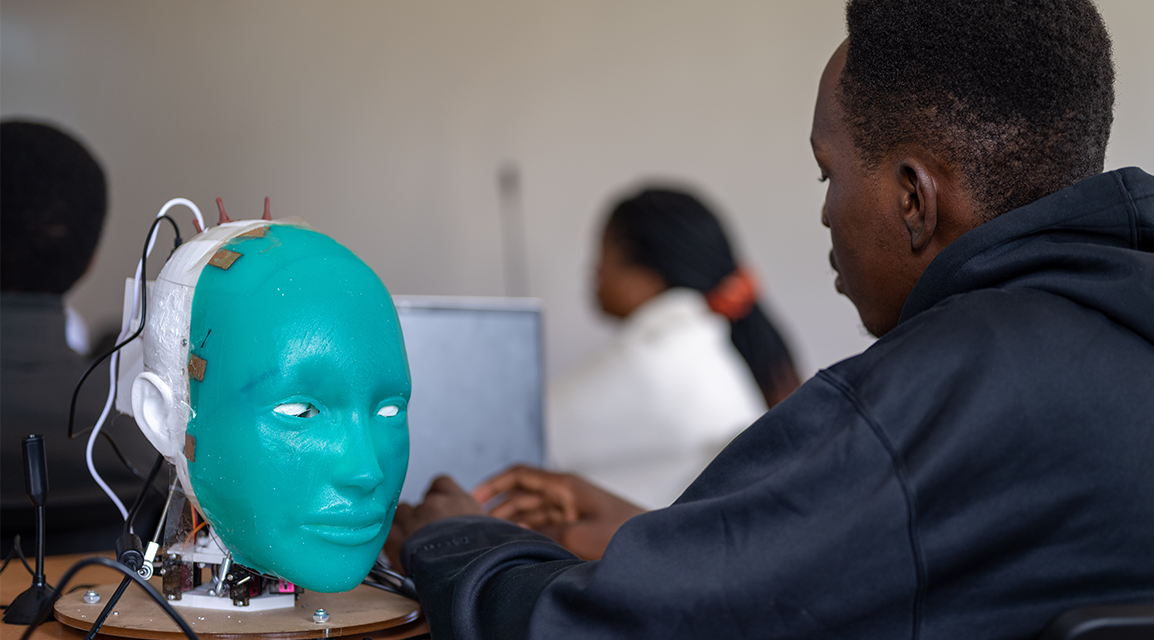
The synergy between human imagination and machine intelligence is the true treasure of the digital age. However, this synergy requires humility. AI must remain a servant, not a master.
The danger lies in surrendering human agency to algorithms, allowing machines to dictate values, decisions, and destinies. The evolving gold of AI must therefore be tempered by ethical stewardship.
The Future of Work: Labour in the Digital Mines
The future of work is perhaps the most contested arena of digital transformation. Automation threatens traditional jobs, while new roles emerge in fields such as data science, cybersecurity, and AI ethics. The metaphor of mining is apt: some workers find themselves displaced as old mines close, while others discover new veins of opportunity in digital landscapes.
The challenge is not merely technological but social. How do societies ensure that workers are not discarded like obsolete tools? How do we retrain, reskill, and reimagine labour in ways that preserve dignity and inclusion?
The COVID-19 pandemic accelerated the shift towards hybrid work, blending physical and digital spaces. Yet, this shift exposed stark inequities.
Workers with access to reliable internet, secure devices, and supportive environments thrived, while others were left behind. The future of work must therefore prioritise digital equity. Access to connectivity, tools, and training is the new gold standard of inclusion.
Without it, the digital mines will enrich a few while impoverishing many.
Work is not merely economic; it is spiritual. In Christian teaching, labour is a form of stewardship, a means of glorifying God through service.
The digital age must not strip work of its moral and spiritual dimensions. Instead, it must integrate values of justice, compassion, and community into new labour paradigms.
Thus, evolving gold in the future of work is not only about productivity but about purpose. It is about ensuring that digital labour contributes to human flourishing, not merely corporate profit.
Intersections: Cybersecurity, AI, and Work
The tripod of cybersecurity, AI, and work is interconnected. Cybersecurity ensures that digital labour is safe and trustworthy. AI enhances productivity and creativity in the workplace. Work provides the human context in which technology finds meaning.
Together, they form a cycle of evolving gold: trust enables intelligence, intelligence empowers labour, and labour sustains trust. Breaking any link in this cycle risks destabilising the entire system.
Policy and Leadership Imperatives
The evolving gold of the digital age requires education. Workers must be trained not only in technical skills but in ethical reasoning, critical thinking, and adaptive resilience. Universities, ministries, and organisations must therefore craft curricula that prepare citizens for both the opportunities and the risks of digital transformation.
Governments must establish regulatory frameworks that balance innovation with protection. Cybersecurity laws, AI ethics guidelines, and labour policies must be harmonised to ensure coherence. Fragmented regulation risks creating loopholes that undermine trust.
Finally, leadership must be inspired by values. As a General Evangelist, I emphasise that digital transformation must be guided by principles of justice, stewardship, and compassion.
Leaders must see themselves not merely as managers of technology but as custodians of human destiny.
Conclusion
Gold has always symbolised permanence, but in the digital age, permanence is elusive. Data can be corrupted, algorithms can be biased, and jobs can be displaced. Yet, the metaphor of evolving gold reminds us that value is not lost, it is transformed.
Cybersecurity guards this value, AI refines it, and work expresses it. Together, they form the tripod of digital destiny. The challenge for nations, organisations, and individuals is to mine this evolving gold responsibly, ethically, and inclusively.
As we stand at the crossroads of history, the digital age offers both peril and promise. The true measure of our civilisation will not be how much digital gold we accumulate but how wisely we steward it for the flourishing of humanity.