


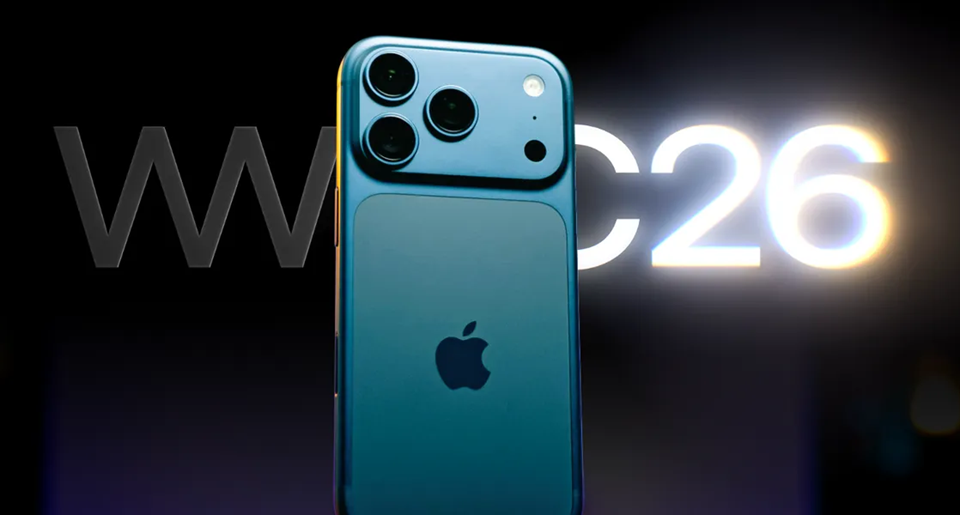
Apple has confirmed June 8 to 12 for its annual Worldwide Developers Conference (WWDC 2026), preparing for what could be one of its biggest software updates in recent years.
The event has long been an important date for developers across the Apple ecosystem, but this year’s conference is expected to be truly different.
Early cues show Apple is moving beyond incremental updates toward a more integrated, AI-driven experience across its platforms.
At WWDC 2025, the company focused largely on stability, refinement and consistency across devices. Artificial intelligence featured, but only in a limited and controlled way. That is expected to change in 2026, with AI likely to take centre stage.
AI Takes the Spotlight
As with previous editions, WWDC 2026 will be software-focused. Apple is expected to unveil the next versions of its operating systems, including iOS 27, iPadOS 27, macOS 27, watchOS 27, tvOS 27 and visionOS 27.
The difference this time is the scale of change. Rather than adding isolated AI features, Apple is expected to integrate intelligence more deeply into how its devices function and interact with users.
iOS 27: A Smarter iPhone Experience
The iPhone is expected to be foremost to Apple’s AI drive.
Recent updates, including iOS 26.4, left some users disappointed, particularly around the lack of major improvements to Siri and limited rollout of broader AI features. With iOS 27, Apple is expected to address those gaps.
Anticipated updates include tighter integration of AI across everyday tasks. Writing tools could become system-wide, working across Messages, Mail and Notes. Photos may gain smarter organisation and editing capabilities, while the system itself could offer real-time suggestions based on user habits and routines.
There are also expectations of deeper customisation, paired with more intelligent automation that adapts to how each user interacts with their device.
macOS 27: Toward an Intelligent Desktop
macOS 27 is expected to bring a turning point for the Mac.
Apple may further optimise the system for its in-house chips, potentially phasing out support for Intel-based Macs. The update is also likely to introduce AI-powered tools aimed at boosting productivity across writing, coding and multitasking.
Search on macOS could become more context-aware, while system-wide automation may improve, allowing users to complete complex tasks more efficiently.
Beyond iPhone and Mac
While iOS and macOS will likely take attention, other parts of Apple’s ecosystem are also set for upgrades.
watchOS 27 is expected to push further into health intelligence, moving beyond basic tracking to offer more proactive insights based on user data.
iPadOS 27 could continue to narrow the gap between the iPad and the Mac. Expected improvements include stronger multitasking, more desktop-like app behaviour, AI-assisted tools for work and study, and enhanced Apple Pencil features with improved input recognition.
Updates to tvOS 27 and visionOS 27 are also expected, although details remain limited ahead of the event.
A Defining WWDC
WWDC 2026 is not coming as a routine update cycle. If expectations hold, Apple will use the event to lay the foundation for a more intelligent, AI-driven ecosystem.
Rather than incremental improvements, this year’s announcements could be a bigger shift in how Apple’s software works across its devices.



