

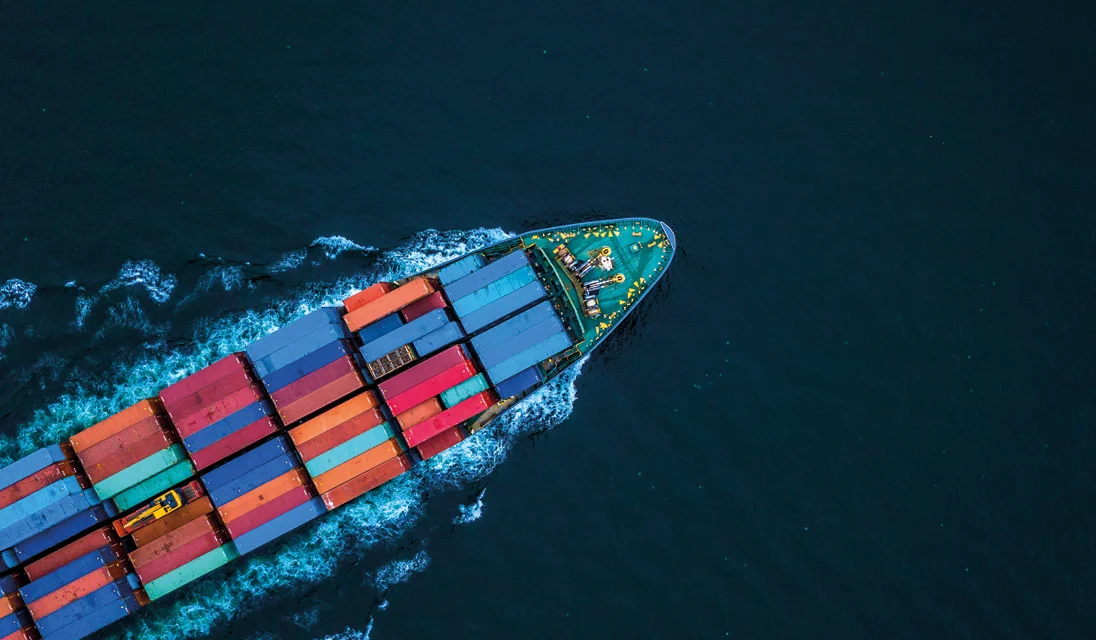
Iran has announced the reopening of the strategic Strait of Hormuz to commercial shipping, a move expected to stabilise global energy markets and ease supply chain disruptions.
The country’s Foreign Minister, Abbas Araghchi, confirmed that the vital oil transit route is now completely open to civilian vessels for the duration of the ongoing Middle East ceasefire.
However, military vessels remain restricted, with access tightly controlled through designated routes.
The Strait of Hormuz, responsible for a significant share of global oil shipments, had been effectively shut amid escalating tensions involving Iran, the United States, and Israel, triggering volatility across global markets.
Market Shock: Oil Prices Tumble
The reopening has already sent shockwaves through the global energy market. Crude oil prices plunged by more than 10% following the announcement, reflecting renewed confidence in supply stability and easing geopolitical risk.
For weeks, disruptions in the strait had constrained shipments, with tanker traffic collapsing and hundreds of vessels stranded, amplifying fears of a prolonged global energy crisis.
Ceasefire Diplomacy Driving Recovery
Iran’s decision is tied to a fragile ceasefire framework involving regional actors, including a 10-day truce between Israel and Lebanon, alongside broader diplomatic engagements with the United States.
While the reopening signals progress, uncertainties remain. Shipping routes are still regulated by Iranian authorities, and a U.S. naval blockade targeting Iranian oil exports continues, underscoring lingering geopolitical tensions.
How it will impact Tech & Digital Economy
Beyond oil, the development has wider implications:
Global logistics reset: Lower energy costs could ease pressure on cloud infrastructure, data centres, and global supply chains
Market sentiment boost: Tech stocks and risk assets are already rebounding on improved investor confidence
Emerging market relief: Countries like Nigeria, heavily exposed to oil price swings, may see short-term economic recalibration
For now, the reopening of the Strait of Hormuz marks a critical turning point, one that could reshape energy economics, digital infrastructure costs, and global market stability if sustained.