


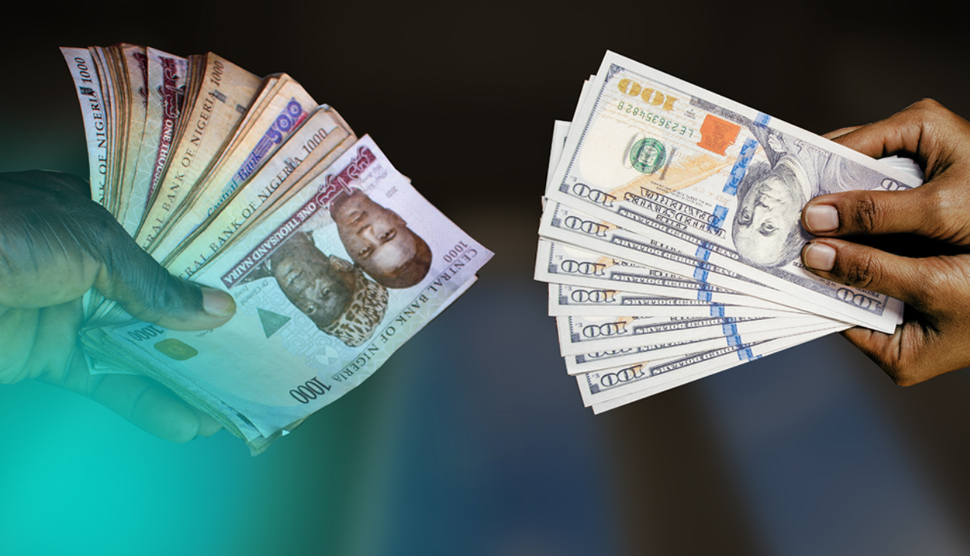
The Nigerian naira traded within a relatively stable range against the United States dollar on Monday, reflecting continued calm in the foreign exchange market amid ongoing reforms by the Central Bank of Nigeria (CBN).
Data from the Nigerian Foreign Exchange Market (NFEM) showed the naira trading at approximately ₦1,375/$ at the official market, largely unchanged from the previous trading session. In the parallel market, the dollar exchanged between ₦1,395 and ₦1,400, maintaining a narrow spread with the official rate.
The relative stability comes at a time when businesses across Nigeria’s technology, manufacturing, and digital services sectors continue to monitor foreign exchange movements closely due to their impact on software subscriptions, cloud infrastructure costs, equipment imports, and cross-border payments.
Market analysts attribute the naira’s recent performance to improved dollar liquidity and tighter monetary policies, which have helped reduce volatility compared to previous periods of sharp currency fluctuations.
For Nigeria’s digital economy, exchange-rate stability remains a critical factor. Technology startups, fintech companies, and enterprises that rely on foreign-denominated services such as cloud computing, cybersecurity platforms, software licensing, and international payment processing often face rising operating costs whenever the naira weakens significantly.
Industry stakeholders note that a more predictable foreign exchange environment can support business planning, encourage investment, and improve confidence among both local and international investors.
While the current stability has been welcomed by businesses, analysts caution that pressure from import demand and external market developments could continue to influence currency movements in the months ahead.
The NFEM remains Nigeria’s benchmark foreign exchange market, where rates are determined through a volume-weighted average mechanism and serve as the official reference rate for the economy.



