


MTN Nigeria has responded to growing concerns among subscribers over what many describe as rapid data depletion, attributing the trend largely to evolving user behaviour, increased device connectivity, and data-intensive digital consumption habits.
The telecom operator explained that several factors contribute to faster data usage, including hotspot sharing, video streaming, automatic app updates, cloud backups, and the growing adoption of high-speed internet services.
According to the company, many users unknowingly consume significant amounts of data through background activities on smartphones, tablets, laptops, smart TVs, and other connected devices.
Features such as auto-play on social media platforms, automatic software updates, and cloud synchronization can continue running even when users are not actively using their devices.
MTN also noted that hotspot sharing remains one of the leading causes of unexpected data consumption. When subscribers connect multiple devices to a single data plan, activities such as video streaming, online gaming, software downloads, and system updates on those devices can quickly exhaust available data.
The operator further explained that faster internet technologies, including 4G and 5G networks, naturally encourage higher data consumption as users access more high-definition content and bandwidth-intensive applications.
Similar observations have previously been highlighted by industry stakeholders and regulators, who note that video streaming, automatic updates, and background applications are among the major contributors to increased data usage.
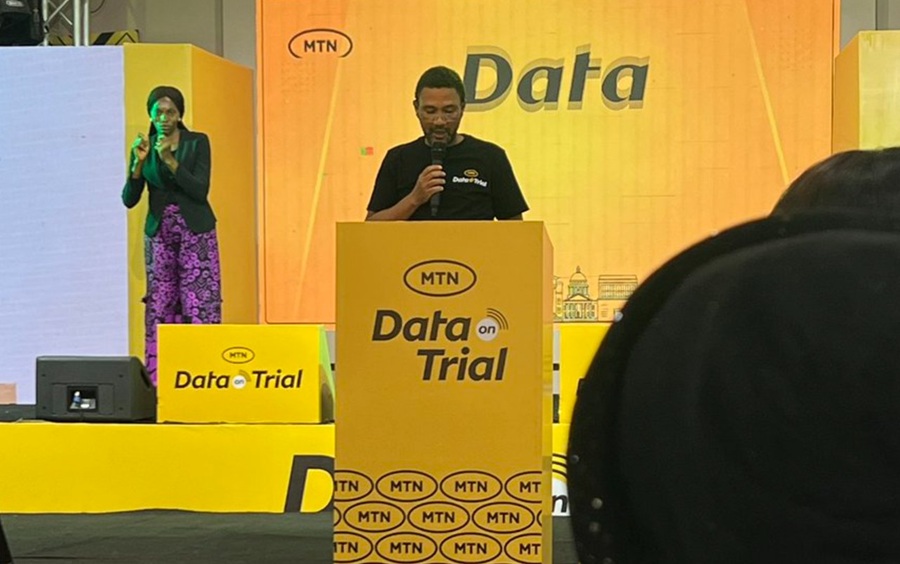
Speaking today at subscriber townhall meeting codenamed ‘Data on Trial’, Michael Ndukwe, a senior manager for core network implementation at MTN Nigeria, said many subscribers misunderstand how data is consumed, particularly with the increasing adoption of high-speed technologies such as 4G and 5G networks.
“We usually hear the concern that MTN is stealing my data. I’m here to take you step by step through exactly how your data is used,” he said.
According to him, using a TikTok video as an example, he said data is not consumed when a mobile device merely connects to the network or undergoes authentication checks.
The expert said significant data usage only begins when a user requests online content, such as a video, which is then delivered through the network in “packets and reassembled on the device”.
He said the network first confirms that the subscriber is registered, has an active data bundle, and is authorised to access internet services before establishing a session.
“Data is not taken from you without your action. When you stream, scroll, download or share, you are using data. It’s as simple as that,” Ndukwe said.
Ndukwe said subscribers often conclude that operators are deducting data unfairly because consumption rates on modern networks differ significantly from what users experienced on older technologies such as 2G and 3G.
He explained that faster networks are designed to support richer content and provide a better experience, resulting in greater data usage.
Also speaking at the ‘Data On Trial’ session, David Ogunshola of MTN’s information technology team, said differences between data usage records displayed on customers’ devices and those recorded by the network are normal.
He said devices typically track only user activities and application-level consumption, while the network records the entire data session, including signalling and other processes required to establish and maintain connectivity.
Ogunshola said discrepancies may also arise from different measurement standards used by device manufacturers and network systems.
According to the IT expert, these differences are usually marginal but become more noticeable as data volumes increase.
He noted that the evolution from basic mobile phones to smartphones, smart televisions, gaming consoles and wearable devices has significantly increased data consumption because modern devices are optimised to deliver higher-quality experiences.
“The more sophisticated the device, the more it is optimised for quality. If you do not adjust those configurations, the device will always try to give you the best possible experience, and that comes with higher data usage,” Ogunshola said.
Ndukwe said MTN provides tools to help customers monitor and manage consumption, including the MyMTN app, data usage alerts, and data management features that allow subscribers to set limits and restrict background activities.
“Our promise is that we continue to invest heavily in network quality to give you the best experience and ensure that every megabyte you purchase delivers the experience that you expect,” he said.
He assured customers that the company would continue investing in network infrastructure to improve service quality and ensure transparency in data billing.
Meanwhile, Blessing Banro from TECNO Mobile representing the device makers spoke on understanding smart devices and how to they help you manage your data
The clarification comes amid increasing consumer complaints regarding data consumption patterns, particularly following recent adjustments in telecommunications tariffs.
While some subscribers continue to question the accuracy of data deductions, Timi Agbaje spoke against the defence of device makers and MNOs, asking pertinent questions on behalf of the people, operators maintain that changing digital habits and increased connectivity are the primary drivers of higher data usage.
To help subscribers better manage their data, MTN advised customers to:
- Monitor data usage regularly through available tracking tools.
- Disable automatic updates when using mobile data.
- Turn off auto-play features on social media and video platforms.
- Restrict background data usage for non-essential applications.
- Review devices connected through hotspot sharing.
- Use data-saving modes where available.
Industry analysts at the Data on Trial session by MTN Nigeria are of the view that the growing popularity of video content, cloud services, remote work applications, and connected devices is reshaping internet consumption patterns across Nigeria, resulting in higher average data usage per subscriber than in previous years.



