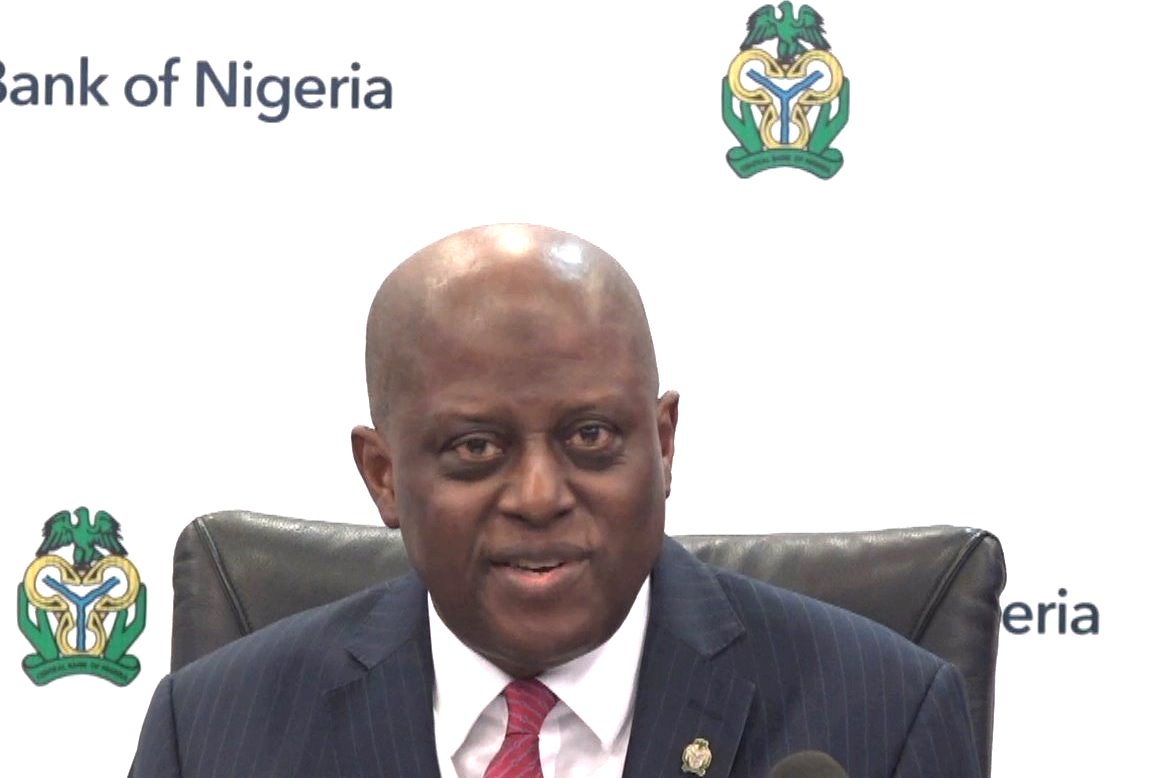
Nigeria’s net foreign exchange reserves have risen to $40 billion, up from about $3 billion when he took office in 2023, central bank Governor Olayemi Cardoso said on Thursday, as the regulator also unveiled tighter oversight rules for currency dealers.
Gross external reserves have climbed to roughly $52 billion, Cardoso told the BusinessDay CEO Forum in Lagos, providing about 10 months of import cover and marking what he described as the payoff from three years of exchange-rate and monetary reforms.
The comments come as Nigeria’s central bank moves to tighten scrutiny of the retail end of its foreign exchange market. In a circular dated July 15, the bank set out operational rules for an electronic platform through which licensed bureaux de change (BDCs) will buy dollars from authorised banks, including real-time transaction monitoring and stricter customer due diligence.
Cardoso said diaspora remittances, which the central bank has targeted as a priority inflow source, are on track to reach $1 billion a month by year-end, from about $600 million currently, after the bank set a goal of doubling remittance flows since 2023.
He said the foreign exchange market had become liquid enough to operate with minimal central bank intervention, and pushed back on calls to use the reserve buildup to actively defend the naira, saying reserves were meant as a buffer against external shocks rather than a tool for routine intervention.
On the banking sector, Cardoso said a recapitalisation exercise had drawn about 4.65 trillion naira ($3.1 billion) in fresh capital, and that supervisory oversight of lenders would continue beyond the capital raise.
He urged domestic businesses to invest in the improving macroeconomic environment, saying foreign investors were already positioning for opportunities in the country and cautioning local firms against assuming conditions would revert to those of previous years.
The new BDC framework
Under the July 15 guidelines, signed by Trade and Exchange Department Director Aderinola Shonekan, licensed BDCs will submit electronic purchase requests to authorised dealer banks via a new “FX Purchase Tracker Portal,” with data fed into a centralised system the central bank called the FX BDC Purchase Tracker.
The central bank said no dealer bank may impose exclusivity arrangements or referral fees restricting a BDC’s choice of counterparty, and that only BDCs with valid, unrestricted licences will be eligible. It said breaches of the new rules would attract regulatory sanctions.
The framework follows a February 10 circular that first granted BDCs access to the official interbank market through authorised dealer banks.