
ADVERTISEMENT
Monday, March 23, 2026
  • Login
Tech | Business | Economy
No Result
View All Result
NEWSLETTER
  • News
  • Tech
    • DisruptiveTECH
    • ConsumerTech
    • How To
    • TechTAINMENT
  • Business
    • BUSINESS SENSE FOR SMEs
    • Telecoms
    • Commerce & Mobility
    • Environment
    • Travel
    • StartUPs
      • Chidiverse
    • TE Insights
    • Security
  • Partners
  • Economy
    • Finance
    • Fintech
    • Digital Assets
    • Personal Finance
    • Insurance
  • Features
    • IndustryINFLUENCERS
    • Guest Writer
    • EventDIARY
    • Editorial
    • Appointment
    • Chidiverse
  • TECHECONOMY TV
  • Apply
  • TBS
  • Advertise
  • News
  • Tech
    • DisruptiveTECH
    • ConsumerTech
    • How To
    • TechTAINMENT
  • Business
    • BUSINESS SENSE FOR SMEs
    • Telecoms
    • Commerce & Mobility
    • Environment
    • Travel
    • StartUPs
      • Chidiverse
    • TE Insights
    • Security
  • Partners
  • Economy
    • Finance
    • Fintech
    • Digital Assets
    • Personal Finance
    • Insurance
  • Features
    • IndustryINFLUENCERS
    • Guest Writer
    • EventDIARY
    • Editorial
    • Appointment
    • Chidiverse
  • TECHECONOMY TV
  • Apply
  • TBS
  • Advertise
No Result
View All Result
Tech | Business | Economy
No Result
View All Result
  • News
  • Tech
  • Business
  • Partners
  • Economy
  • Features
  • TECHECONOMY TV
  • Apply
  • TBS
  • Advertise

Home » Can Satellite Smartphones Replace Cellular Networks in 2026?

Can Satellite Smartphones Replace Cellular Networks in 2026?

Or just fill the gaps? | Asks ETHAN EBENEZER

Techeconomy by Techeconomy
March 23, 2026
in Telecoms
Reading Time: 3 mins read
0
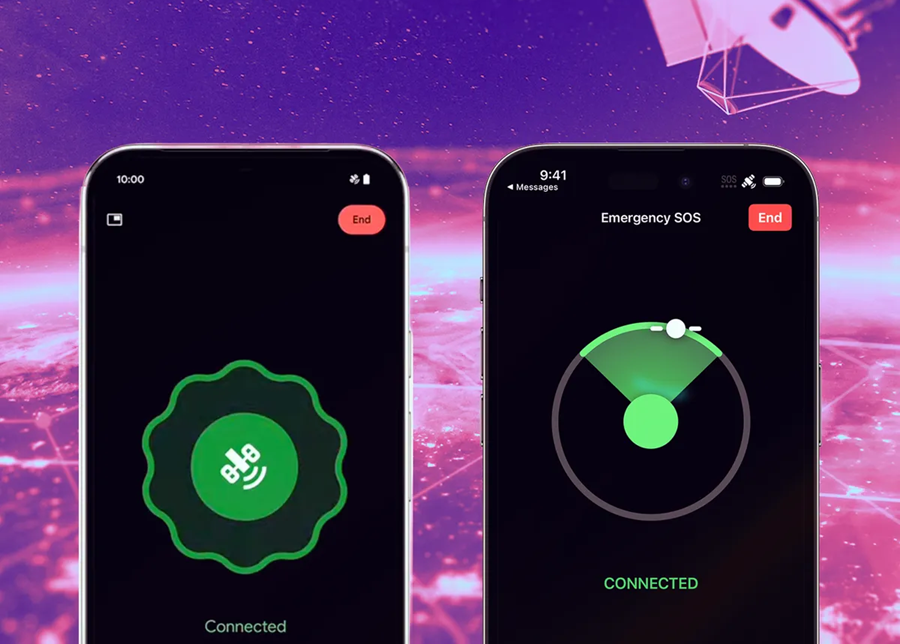
Satellite smartphones

Satellite smartphones | IMAGE: Google/Cnet

Losing signal has always been one of the biggest challenges in mobile technology. Even with steady improvements over the years, coverage is still uneven.

Step outside cities into rural or remote areas and the difference is obvious, with slower speeds, unstable connections, or no service at all.

In 2026, that situation is starting to change and a new wave of smartphones is bringing satellite communication into the mainstream, providing connectivity in places where traditional cell towers simply don’t exist.

Manufacturers are rolling out these features across more devices and price ranges, but can satellite-enabled phones actually replace cellular networks?

The Phones Driving the Satellite Shift

What sets this moment apart goes beyond the technology, the devices are pushing it forward.

Subscribe to our Telegram channel for the latest updates.

Follow the latest developments with instant alerts on breaking news, top stories, and trending headlines.

Join Channel

One of the more surprising entries is the Infinix Note 60 Pro, launched at CES 2026. Unlike earlier satellite phones that were limited to emergency use, this device supports two-way communication, including voice calls and text messages, via low-Earth orbit satellites.

That makes it especially relevant for markets like Africa, where coverage gaps are still a worrisome issue.

At the premium end, Samsung is taking a more structured approach with the Galaxy S26 series, building satellite connectivity around partnerships with telecom operators.

This allows users to switch to satellite networks when cellular service drops, particularly useful in remote locations or during emergencies. More importantly, it goes beyond SOS features, enabling basic messaging and limited data use.

Huawei is also advancing its satellite capabilities through China’s Beidou system, and this has become a trend of region-specific solutions.

Taken together, these developments show that satellite communication is moving out of the experimental phase and into everyday use.

MTN New
Stanbic
Advertisements

Why It’s Important, Especially in Rural Areas

In countries like Nigeria, mobile coverage in rural areas is limited. Expanding traditional infrastructure is expensive and, in some locations, impractical.

Satellite connectivity provides a different approach. Instead of relying on ground-based towers, users can stay connected almost anywhere.

This can make a huge difference by allowing people to communicate during network outages, reach remote communities, and stay connected without depending on nearby infrastructure.

For many users outside urban centres, that could be a huge relief.

Satellite vs Cellular: Not a Straight Fight

It’s easy to assume satellite technology is here to replace mobile networks, but that’s not what’s happening, at least not yet.

When it comes to speed, cost, and everyday usability, cellular networks still have the edge, especially in cities. High-speed 4G and 5G are far better suited for streaming, gaming, and heavy internet use.

Satellite connectivity is solving a different problem. It’s about extending coverage to places where networks don’t reach, rather than competing directly with them. In that sense, it complements existing infrastructure instead of replacing it.

That’s why most satellite-enabled smartphones still rely on cellular networks as their primary connection, switching to satellites only when needed. This hybrid model is quickly becoming the standard.

Satellite smartphones are not ready to replace traditional cellular networks. They still face limits in speed, affordability, and daily usability.

But they don’t have to compete head-on to be important. In areas where mobile networks are unreliable or unavailable, satellite connectivity could become the main way people stay connected.

So, the technology is expected to improve and become more affordable. Rather than replacing cellular networks, satellite communication is likely to expand their reach, bringing connectivity to places that have long been out.


0Shares

Stanbic
Advertisements
Previous Post

Canada–Nigeria Technology Partnership Forum Holds March 26 in Lagos

Next Post

Why Keep Paying Rent? FirstBank MREIF Offers a Smarter Path to Owning Your Home

Techeconomy

Techeconomy

Next Post
Segun Alebiosu, CEO, FirstBank China-Africa Interbank Association | FirstBank Agent Credit | MREIF

Why Keep Paying Rent? FirstBank MREIF Offers a Smarter Path to Owning Your Home

Leave a Reply Cancel reply

Your email address will not be published. Required fields are marked *

I agree to the Terms & Conditions and Privacy Policy.

This site uses Akismet to reduce spam. Learn how your comment data is processed.

MTN New
Techeconomy Podcast
Techeconomy Podcast

The Techeconomy Podcast is a thought-leadership show exploring the powerful intersection of technology, business, and the economy, with a strong focus on Africa’s fast-evolving digital landscape.

BUILDING TRUST IN AFRICA ECOSYSTEM
byTecheconomy

Africa’s digital economy is growing fast, but growth without trust cannot last.Join us for the February Edition of the Techeconomy Business Series as industry experts explore how trust, security, innovation, and user experience are shaping Africa’s evolving digital ecosystem.

BUILDING TRUST IN AFRICA ECOSYSTEM
February 27, 2026
Techeconomy
Navigating a Career in Tech Sales
January 29, 2026
Techeconomy
How Technology is Transforming Education, Health, and Business
November 27, 2025
Techeconomy
INNOVATION IN MOBILE BANKING
October 30, 2025
Techeconomy
The Rise of AI: Impact on Jobs & Businesses
September 25, 2025
Techeconomy
Search Results placeholder
UBA
Advertisements
Stanbic
Advertisements
  • About Us
  • Careers
  • Contact Us

© 2026 TECHECONOMY.

No Result
View All Result
  • Techeconomy
  • News
  • Technology
  • Business
  • Economy
  • Jobseeker
  • Advertise

© 2026 TECHECONOMY.

Welcome Back!

Login to your account below

Forgotten Password?

Retrieve your password

Please enter your username or email address to reset your password.

Log In
This website uses cookies. By continuing to use this website you are giving consent to cookies being used. Visit our Privacy and Cookie Policy.