


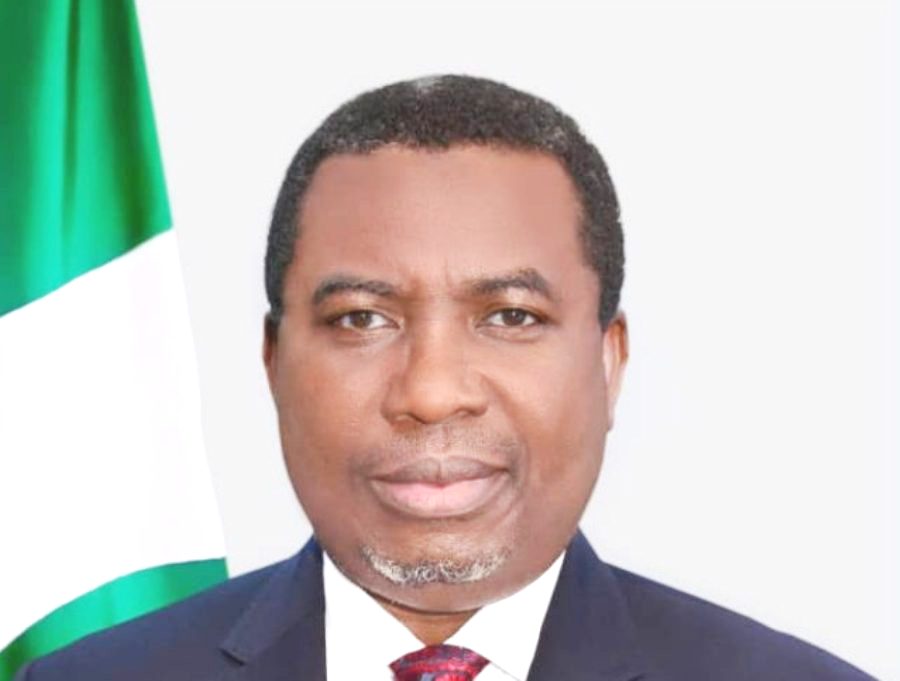
Joash Amupitan, chairman, Independent National Electoral Commission (INEC) has issued a high-stakes assurance to the Nigerian electorate: the technological glitches that marred the 2023 general elections will not resurface in 2027.
Speaking at a town hall on the Electoral Act 2026, Amupitan revealed that the commission has spent the last 18 months conducting a forensic audit of every line of code that failed during the previous cycle.
The goal is to restore public confidence through a rebuilt, high-capacity electronic transmission system.
Infrastructure: Moving from disaster to lessons learned
The 2023 elections were shadowed by the failure of the IReV portal to upload presidential results in real-time, a situation Amupitan described as a “hard lesson in infrastructure capacity”.
The 2027 Technical Roadmap:
- Triple Capacity: The new backend servers are being built to handle three times the simultaneous “hits” or concurrent logins experienced in 2023.
- Bandwidth Optimization: Recognizing that 176,000 polling units cannot be serviced by a weak network, INEC is auditing bandwidth requirements for a nationwide surge.
- Mock Elections: Unlike the previous cycle, the 2027 system will undergo rigorous stress testing through mock elections long before the first ballot is cast.
“You cannot wait for the heat of a General Election to realize your bandwidth is insufficient… What Nigerians saw as a disaster, we saw as a hard lesson,” Amupitan stated.
The Manual Proviso: Legal Safety Net or Loophole?
A major point of contention in the Electoral Act 2026 is the clause allowing for manual result transmission if electronic systems fail. Critics argue this provides a legal window for manipulation.
Amupitan dismissed these fears, characterizing the clause as a legal cushion for unforeseen circumstances rather than a license to bypass digital protocols.

He insisted that the commission’s mission remains 100% real-time electronic transmission.
“People are reading it as a ‘Plan B’ to return to the dark days of manual rigging, but that is not the case. My team knows that any failure of the IReV in 2027 will be seen as a deliberate act,” he added firmly.
Techeconomy’s take is that for Nigeria’s democracy, the IReV and BVAS platforms are more than just tech tools; they are the infrastructure of trust.
From a fiscal and governance perspective, the billions of Naira invested in these technologies only yield a return if the results are verifiable and transparent.
Amupitan’s promise of a near-perfect election hinges on concurrent loading capacity. In 2023, the system buckled under the weight of a 36-state surge. By building for triple capacity, INEC is attempting to future-proof the vote.
However, the true test will not be the chairman’s words, but whether the portal stays live when 176,000 presiding officers hit upload simultaneously on election night.