

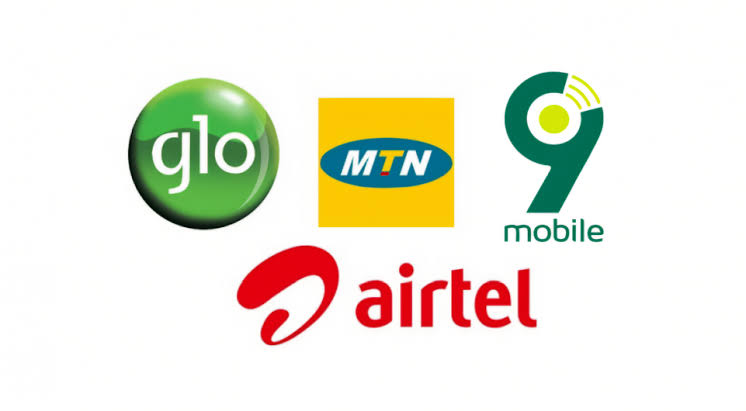
Telco Week wrapped up with the air saturated in several projections, and a familiar brand of positivity.
Operators have spent the last few days rolling out updates on network expansion and touting new infrastructure investments.
But for the average Nigerian, these corporate achievements do not align with them. When you’re staring at a buffering wheel during a Zoom call or waiting for a WhatsApp video to download, “steady progress” doesn’t mean much.
The main issue isn’t focused on how many towers were built, but whether the person on the street is actually feeling a difference in their connection.
Promises: Expansion, 5G, and Capacity Upgrades
The midweek updates followed a predictable situation where 4G is expanding, 5G is scaling, and fibre-optic cables are being laid at a record pace.
The narrative from the telcos is one of a system finally catching its breath and addressing the congestion that has plagued users for years.
While the data looks good, there’s a lag between “investment” and “experience.” Upgrading a physical network is a slow-motion process that can take months, or even years, to manifest as a smoother browsing experience.
This raises a sceptical eyebrow, wondering how these recent adjustments are actually translating into better service, or are we just hearing the same promises in a new font?
What The Data Says
The data shows a story of two different Nigerias. One where average internet speeds have grown, especially in commercial hubs where 4G is now the baseline. 5G is also making its debut, providing blistering speeds to a small, affluent sliver of the population.

But averages are misleading. If you run a speed test at 10:00 AM in a quiet office, the results might look outstanding. Try that same test at 8:00 PM when the country is simultaneously trying to stream Netflix, scroll TikTok, and join online gaming lobbies, and the story changes.
Heavy traffic during peak hours are stubborn limitation, and it’s this inconsistency that drives public frustration.
Data Prices Compared to Quality: Do People Get What They Pay For?
Then there’s the issue of the “Value Gap.” Nigeria’s data prices are competitive compared to regional neighbours, however, affordability is relative.
With inflation biting and purchasing power shrinking, what used to feel like a fair price now feels like a burden, especially when that “cheap” data cuts out when you need it most.
Nigerians aren’t necessarily begging for rock-bottom prices; they’re asking for reliability. There is a growing sense of fatigue from paying for a service that feels like a gamble every time you switch on your mobile data.
The Bottlenecks: Vandalism and Power
To be fair to the operators, they aren’t fighting a phantom menace. The structural bottlenecks in Nigeria are very real and very expensive.
- The Power Trap:Unreliable electricity means telcos are essentially power companies that happen to sell data. The reliance on diesel generators to keep base stations running drives up costs and creates a single point of failure.
- The Vandalism Crisis:Fibre optic cables are being severed at an alarming rate, sometimes by thieves, but often by reckless road construction. In 2025 alone, operators reported over 5,000 cases of infrastructure vandalism.
- Security & Spectrum:Beyond the physical wires, security issues in certain regions and limitations on available spectrum make it difficult for even the most ambitious company to provide a seamless experience.
The Verdict: Better, but Not Everywhere
Is the internet actually getting better? The honest answer is yes, but it’s uneven.
Nigeria’s digital backbone is undeniably stronger than it was five years ago. 4G is no longer hard to reach and 5G is no longer a myth. But for many in the suburbs or rural areas, these upgrades are like something happening to other people. The progress is gradual and localised rather than a nationwide transformation.
What to Watch For Next
If things are truly improving, we won’t need a press release to tell us. We’ll see it through:
- Stability:Speeds that don’t plummet the moment the sun goes down.
- Resilience:Fewer nationwide outages caused by a single cable cut.
- Real 5G:Use cases that actually impact productivity, not just marketing headlines.
- Transparency:Honest reporting on where networks are failing, not just where they are succeeding.
Telco Week showed us the industry’s ambition. Now, Nigerians are waiting to see if that ambition shows up on their signal bars.