

ADVERTISEMENT
Wednesday, June 3, 2026
Tech | Business | Economy
No Result
View All Result
  • Technology
    • Trends
    • Telecoms
      • Broadband
    • ConsumerTech
      • Gadgets and Appliances
      • Apps
      • Accessories
      • Reviews
      • Unboxing
    • EnterpriseTECH
    • Security & Data Protection
    • How To
  • Business
    • Company News
    • StartUPs
      • Founder’s Story
      • Funding
    • Deals
    • People & Moves
    • SME & Entrepreneur Focus
    • BUSINESS SENSE FOR SMEs
    • Competition & Market Positioning
    • Commerce & Mobility
    • Travel
    • WomenPreneurs
  • Economy
    • Macroeconomic Trends
      • Macro Monday
      • TE Insights
    • Finance
      • Banks
      • Fintech
      • Insurance
      • Digital Assets
      • Personal Finance
    • Policies
      • Tech & Society
    • Market Analysis
    • Jobs & Workforce Economy
  • Features
    • Guest Writer
      • Chidiverse
      • Digital Assets
      • GameTech
    • EventDIARY
    • IndustryINFLUENCERS
    • MarkTECH
    • TBS
    • NewsEXTRA
  • Editorial
  • Brand Content
  • TECHECONOMY TV
Wednesday, June 3, 2026
Tech | Business | Economy
No Result
View All Result
Tech | Business | Economy
No Result
View All Result

Home » ‘₦700 is Too Small’ – CBT Operators Criticise UTME Registration Fee as JAMB Remits ₦1.57bn

‘₦700 is Too Small’ – CBT Operators Criticise UTME Registration Fee as JAMB Remits ₦1.57bn

Techeconomy by Techeconomy
March 10, 2026
in Finance
Reading Time: 2 mins read
0
2024 JAMB and UTME | examination systems | CBT

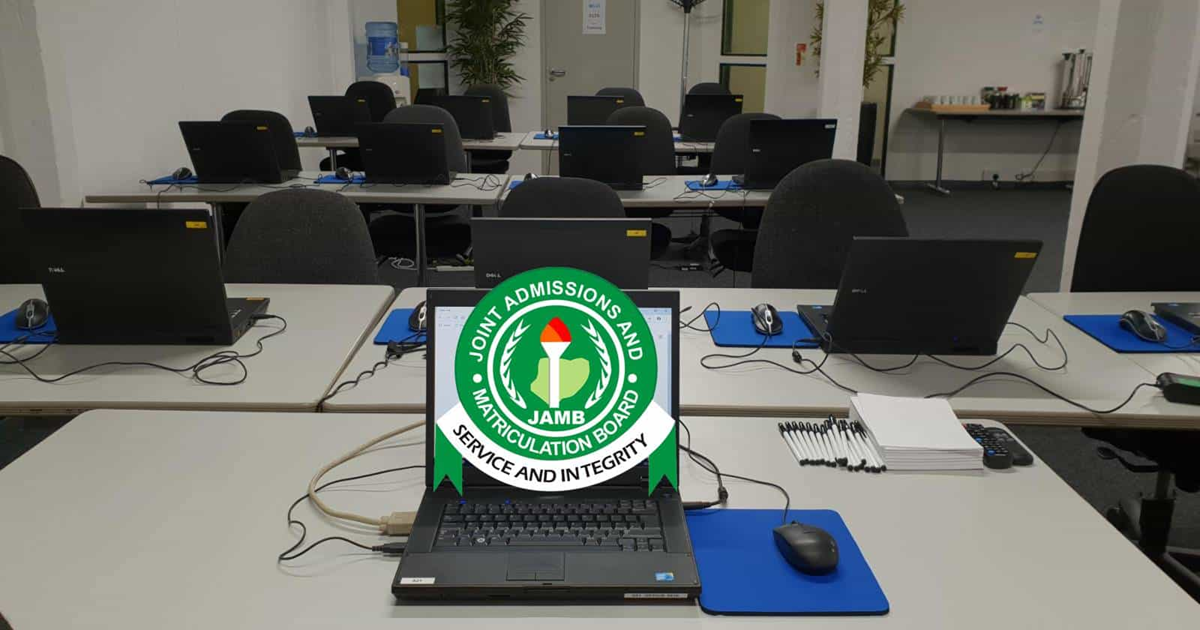
JAMB CBT centre

On a busy morning at a registration centre in Lagos, a group of young candidates waited patiently to complete their registration for the Unified Tertiary Matriculation Examination.

For many of them, the process was simple: buy the e-PIN, sit before a computer, and hope that the journey to the university had begun.

But behind the screens and biometric scanners, another conversation was unfolding among the operators who run the Computer-Based Test centres.

Many of them were unhappy.

Their concern centred on a ₦700 registration service charge attached to each candidate’s registration, a fee collected by the Joint Admissions and Matriculation Board on behalf of CBT centres.

Subscribe to our Telegram channel for the latest updates.

Follow the latest developments with instant alerts on breaking news, top stories, and trending headlines.

Join Channel

Some operators argue that the amount is no longer realistic in today’s economic climate, citing rising costs of electricity, internet connectivity, and equipment maintenance.

Their complaints surfaced even as the examination body announced that it had remitted about ₦1.57 billion to accredited CBT centres that participated in the 2026 UTME registration exercise.

The payment represents the ₦700 charge collected from candidates during registration and subsequently paid to the centres.

For the operators, however, the figures tell only part of the story.

Running a CBT centre in Nigeria today, they say, involves far more than installing computers. It means powering generators during long electricity outages, paying for high-speed internet connections, maintaining hardware, and hiring trained staff to handle thousands of candidates.

“Everything has gone up, diesel, internet, maintenance,” one operator reportedly lamented, insisting that the ₦700 fee no longer reflects the actual cost of delivering the service.

The fee structure itself is not new. The ₦700 charge is part of the UTME registration components, which include the application fee, examination fee, and other charges associated with the process.

The board collects these payments centrally and remits the appropriate portion to CBT centres to discourage multiple payments and prevent the exploitation of candidates.

The policy was introduced partly to address past complaints of overcharging by some centres, creating a more transparent and cashless registration system.

Yet the latest debate highlights the delicate balance between protecting candidates from excessive fees and ensuring that CBT centres, which provide the technological backbone for the examination, remain financially viable.

For millions of Nigerian students, the UTME remains the gateway to higher education. Behind that gateway, however, lies a growing conversation about cost, sustainability, and the future of the digital examination infrastructure supporting one of the country’s most important academic processes.

0Shares
MTN Live It 100 Thematic Campaign
Previous Post

Zedvance Disburses over ₦96 Billion in Commercial Lending, Sets ₦250 Billion Target for 2026

Next Post

Petrol at ₦1,300/Litre: Households, Businesses Brace for Fresh Inflation Wave

Techeconomy

Techeconomy

Related Posts

TAJBank app

TAJBank Tops Non-Interest Banking, Total Assets Hits ₦1.34 trillion

June 3, 2026
NIBSS Digital Payments Fraud 2025 | Premier Oiwoh

NIBSS: Digital Payment Fraud Drops 51% to ₦25.85b in 2025

June 2, 2026

CBN Unveils Framework to Tackle ₦25.85 billion Digital Payments Fraud

June 2, 2026
Load More
Next Post
petrol and inflation | Nigeria’s inflation rate April

Petrol at ₦1,300/Litre: Households, Businesses Brace for Fresh Inflation Wave

Leave a Reply Cancel reply

Your email address will not be published. Required fields are marked *

I agree to the Terms & Conditions and Privacy Policy.

This site uses Akismet to reduce spam. Learn how your comment data is processed.

Techeconomy Podcast
Techeconomy Podcast

The Techeconomy Podcast is a thought-leadership show exploring the powerful intersection of technology, business, and the economy, with a strong focus on Africa’s fast-evolving digital landscape.

Financing the Future: Venture Debt, Local Capital & African Innovation | TBS May 2026 Webinar
byTecheconomy

Africa’s innovation ecosystem is evolving, but where will the funding for the next generation of startups come from?

In this edition of the Techeconomy Business Series (TBS) May 2026, industry experts explore how local capital, venture debt, and smarter investment structures are redefining startup growth and innovation across Africa.

🎙️ Featured Speakers:

* Ebunoluwa Ashley-Dejo

* Damilare Davola

* Success Ajilore (STN & Accelerated Plus)

Key conversations in this webinar include:

✔️ The future of startup financing in Africa

✔️ Venture debt and alternative funding models

✔️ The role of local investors in scaling innovation

✔️ Sustainable investment strategies for African startups

✔️ Opportunities and challenges in the African tech ecosystem

Subscribe for more conversations shaping Africa’s digital economy and innovation landscape.

#TBS2026 #AfricanInnovation #VentureDebt #StartupFinance #TechInAfrica #Techeconomy #AfricanStartups #InnovationEconomy

Financing the Future: Venture Debt, Local Capital & African Innovation | TBS May 2026 Webinar
May 27, 2026
Techeconomy
PROTECTING INNOVATION IN AFRICA’S STARTUP ECOSYSTEM
April 29, 2026
Techeconomy
BUILDING TRUST IN AFRICA ECOSYSTEM
February 27, 2026
Techeconomy
Navigating a Career in Tech Sales
January 29, 2026
Techeconomy
How Technology is Transforming Education, Health, and Business
November 27, 2025
Techeconomy
Search Results placeholder
MTN Live It 100 Thematic Campaign
ADVERTISEMENT
  • About Us
  • Careers
  • Contact Us
  • Privacy Policy

© 2026 TECHECONOMY.

No Result
View All Result
  • Technology
  • Business
  • Economy
  • Features
  • Editorial
  • Brand Content
  • TECHECONOMY TV

© 2026 TECHECONOMY.

This website uses cookies. By continuing to use this website you are giving consent to cookies being used. Visit our Privacy and Cookie Policy.


