


Sometimes the tech industry makes big promises but gives us less than expected.
As 2025 comes to an end, it has been another year of overhyped devices that failed to meet expectations.
Marketing teams worked hard to convince buyers that small updates were worth premium prices, but many so-called flagship products did not justify their cost, leaving users disappointed.
It is now more important than ever to make smart buying decisions in a market where “new and improved” usually means slightly different and much more expensive.
This year’s list of overrated gadgets shows that not everything that looks impressive is worth buying.
Most Overrated Smartphones (Overpriced Flagships)
Very little has changed in the premium smartphone market in 2025. Prices keep growing with every new release, but meaningful improvements are becoming harder to find.
iPhone 16 Pro
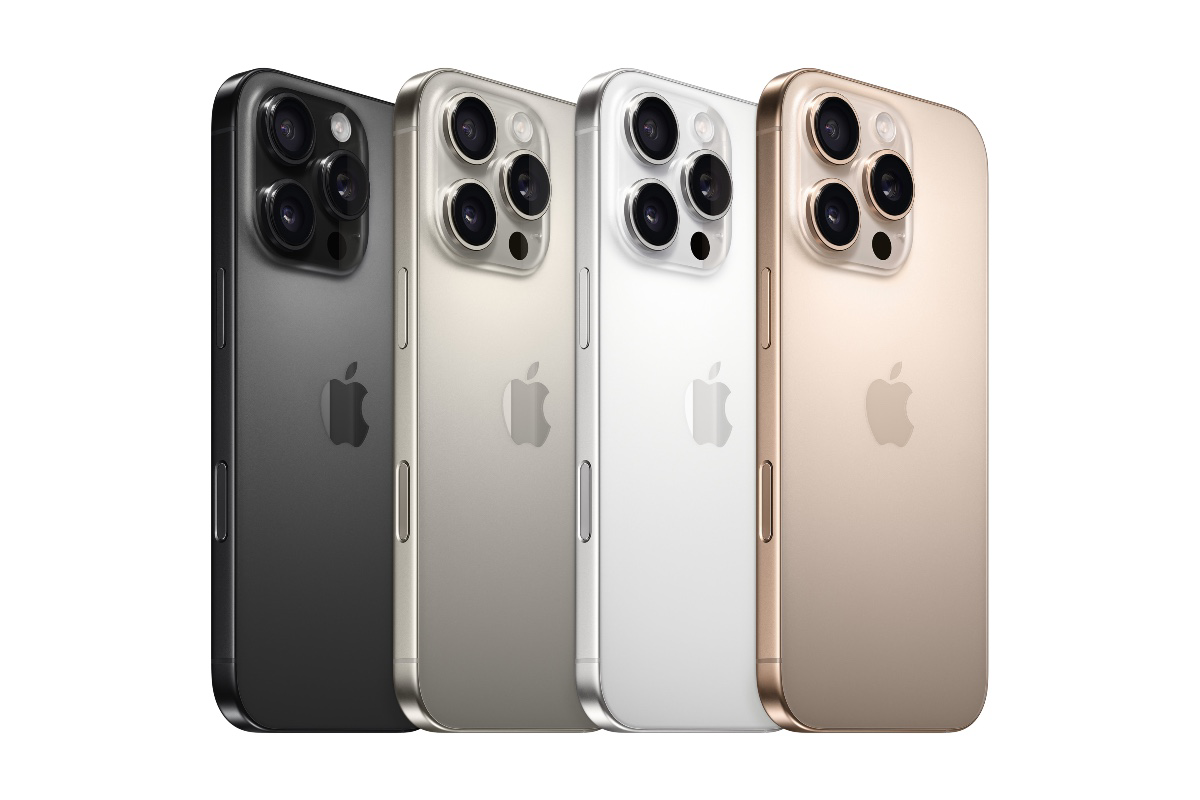
Apple’s iPhone 16 Pro was heavily promoted, but it brought very little that feels new. The differences between the regular iPhone 16 and the Pro model are so small that many users struggle to justify the higher price.
In fact, reviews suggest the standard iPhone 16 offers better value, with nearly the same performance at a lower cost.
The much-talked-about Apple Intelligence features arrived late and did not make a strong impression. While it is a decent first step, the experience is not very different from what the iPhone 15 Pro already offered.
The new Camera Control button sounds useful but feels unnecessary in daily use, as most people still rely on touch controls.
Design is another weak point. The iPhone 16 Pro looks almost identical to earlier models, showing clear design stagnation. For a phone priced around $999, this lack of change is hard to accept.
The 5x telephoto camera sounds good on paper, but many users find the older 3x zoom more practical for everyday photography.
Samsung Galaxy S25 Ultra
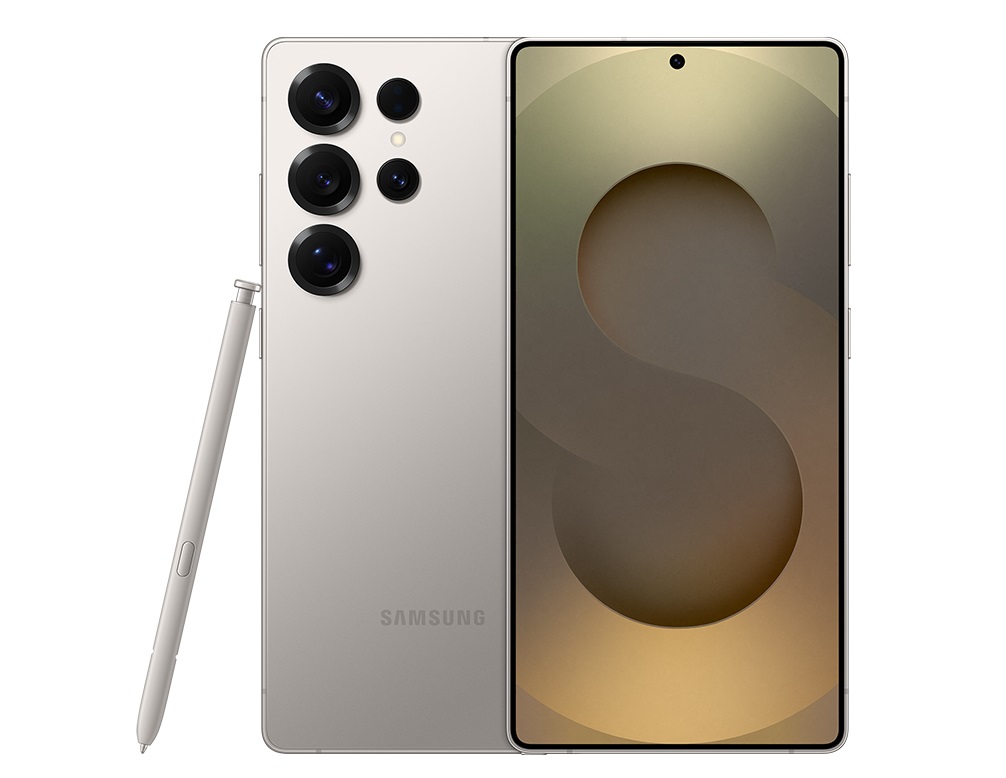
Samsung’s Galaxy S25 Ultra faces similar complaint. It is one of the smallest upgrades the company has released in years.
Aside from a new Qualcomm processor, most features remain unchanged from the S24 Ultra. The battery, camera setup, and design are largely the same, making it feel more like a refresh than a new phone.
Removing Bluetooth functionality from the S Pen, a key Ultra feature, feels like a step backwards. At a starting price of around $1,300, Samsung is charging more while offering the same or even reduced functionality.
The AI features also fail to stand out. Galaxy AI is being rolled out to older Samsung devices, leading to the question of why pay more for the S25 Ultra when many of the same tools will arrive on older phones?
To Be Fair
These devices are not bad products. They simply do not offer enough improvement over their predecessors. Companies release new models every year to keep their product lines fresh, even when major upgrades are not needed.

AI features may also feel underwhelming because the technology is still developing. For users who want the very latest device, these models may still appeal. However, for most people, the upgrades are not significant enough to justify the high prices.
Most Overhyped Audio Devices This Year
Premium audio products are expected to deliver excellent sound, but some 2025 releases failed to justify their prices in a crowded market.
Bose QuietComfort 45
The QuietComfort 45 is in Bose’s lineup, but it now feels outdated. While noise cancellation is still decent, competitors like Sony’s WH-1000XM5 offer better sound quality and more modern features. The QC45 lacks the depth and clarity expected at its price point.
Build quality, once a Bose strength, now feels average. The plastic design does not stand out, especially when rivals offer better materials. Battery life is acceptable but no longer impressive, and the lack of major software updates suggests Bose has moved on, even though the product is still being sold.
Sennheiser Momentum 4 Wireless
The Momentum 4 Wireless headphones bring good sound but fall short of expectations. The design is a big departure from the Momentum 3, and not in a positive way. The bulkier shape and plain look do not match Sennheiser’s premium image.
Sound quality is solid but not special for the price. Bass can feel overpowering, and the soundstage lacks the openness found in cheaper competitors. Noise cancellation also trails behind Sony and Apple, making it difficult to recommend at its current cost.
Most Overrated Gaming Laptops and Consoles
Gaming hardware in 2025 has become extremely expensive, with limited improvements to match the rising prices. Some of this year’s releases feel unnecessary rather than exciting.
Razer Blade 18
The Razer Blade 18 highlights the problems with flagship gaming laptops. Prices start near $3,000 and can exceed $5,000, promising desktop-level power in a portable form. In reality, it is far from portable.
Weighing around seven pounds, it is difficult to use on the move. Battery life is poor, often lasting less than two hours during gaming. The dual-mode display sounds impressive, but most users rarely switch between the modes.
Heat and noise are also primary issues. The laptop can become hot and loud during long gaming sessions, making it uncomfortable to use. For the same price, buyers could build a powerful desktop PC and still afford a lightweight laptop.
The biggest problem is value. Other 18-inch gaming laptops offer similar performance at much lower prices. What you are mostly paying for here is the brand name and design.
PlayStation 5 Pro
Sony launched the PlayStation 5 Pro at $700, and scepticism followed immediately. A year later, those doubts remain. While the console promises better performance, the real-world improvements are small and often hard to notice.
The lack of a disc drive at this price feels disappointing, forcing users to go fully digital or pay extra. The improved GPU and AI upscaling are useful but not essential.
Most reviews agree that unless you are closely comparing visuals on a high-end 4K screen, the difference from the standard PS5 is minimal. Since the game library is the same, you are paying $200 more for minor upgrades. With the PlayStation 6 expected in a few years, the PS5 Pro feels unnecessary for most gamers.
To Be Fair
Gaming laptops are not known for long battery life due to their powerful components. The Razer Blade’s high refresh rate is impressive, but it is not essential for most players.
Conclusion
As 2025 ends, the tech industry seems focused more on small improvements than real innovation. Many companies are selling familiar products at higher prices and minor changes.
The pattern is that flagship phones with little advantage over cheaper models, audio devices relying on brand reputation, and gaming hardware that prioritises specs over real usefulness. The gap between marketing promises and real-world value feels wider than ever.
This does not mean there were no good products in 2025. However, these examples tell us to look beyond hype and pricing. Before buying a new gadget, ask if it truly improves your life, or it’s just another promise?
For now, most older devices are still more than capable. Saving your money may be the smarter choice, especially until real innovation returns. When something genuinely new arrives, it will not need heavy marketing to convince you.