


When consumers spent more on non-game mobile apps than on games in 2025, the change looked sudden, but it wasn’t.
It was the result of several innovations inside the app economy that finally lined up at once.
The $85 billion spent globally on non-game apps last year did not come from a surge in new users, because we see that downloads across mobile are largely reduced.
But then, time spent has stabilised. So what changed was how people pay, and why they keep coming back.
Building habits
For years, while reach or downloads were used to describe how successful mobile apps were, games thrived because they could attract millions of casual players, monetise a small fraction of them, and repeat the cycle. Non-game apps didn’t match that efficiency before 2025.
That gap has now closed. Generative AI apps flipped the model and instead of focusing on new installs, they focused on becoming useful enough to open daily, sometimes dozens of times a day.
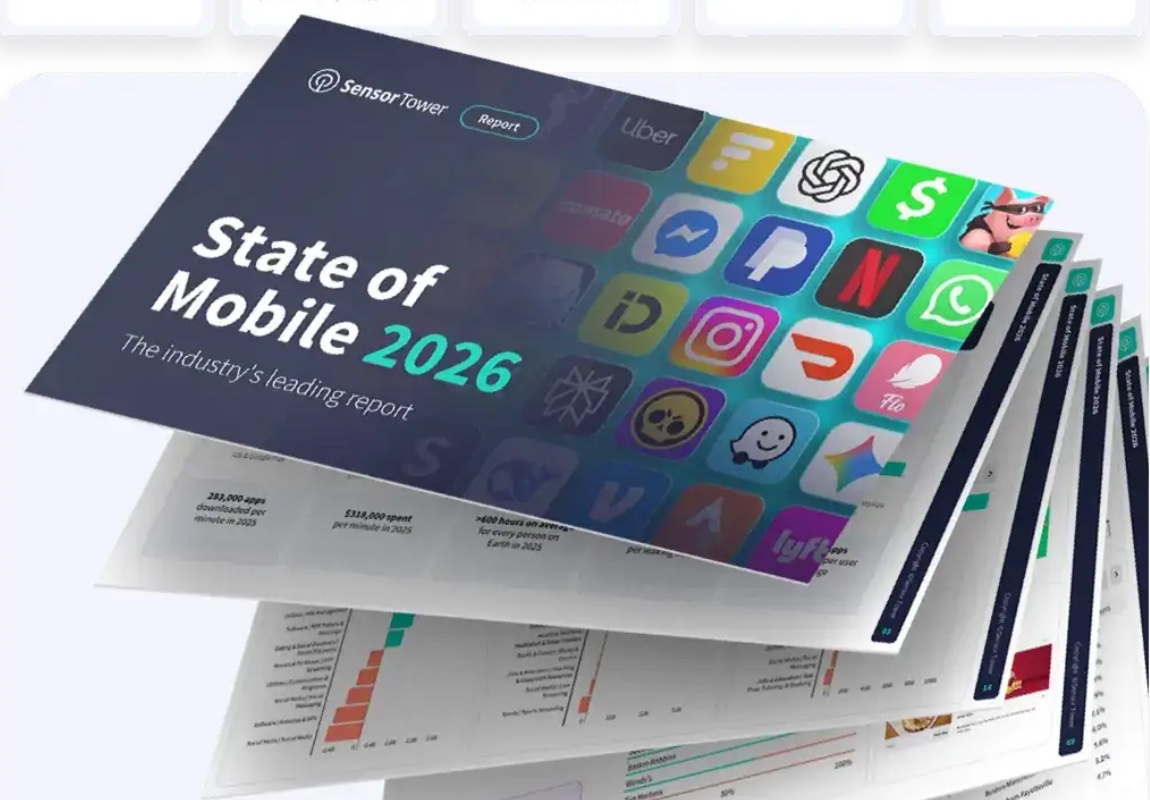
The result is visible in Sensor Tower’s latest State of Mobile findings, which show global app spending rising 21% year-on-year. Sessions in AI apps crossed one trillion in 2025, growing faster than downloads. That tells us engagement is now the main engine.
This is a shift from scale-first to habit-first design.
Why AI assistants won, not just AI tools
Not all AI apps benefited equally. Assistants took over because they helped with multiple needs. Writing, search, coding help, image creation, planning, all in one place. That breadth reduced churn and increased willingness to pay.
ChatGPT’s $3.4 billion in in-app revenue is less important than how quickly it got there. No app has crossed $3 billion in annual consumer spending this fast.
That speed is commendable because it shows that users accepted subscriptions and premium tiers without years of conditioning.

Others followed, with Google, Microsoft and X not just building similar features, but embedding assistants into daily workflows. Image and video generation became turning points, not side features. Once users could create, not just ask, time spent jumped.

Big tech’s return reshaped the field
Early AI growth came from smaller, fast-moving developers. That phase is over.
By 2025, OpenAI and DeepSeek controlled nearly half of all AI app downloads. Large technology firms expanded speedily, taking close to a third of the market. Together, they crowded out earlier competitors who lacked capital, distribution, or ecosystem access.
This concentration shows that AI on mobile is entering a maturity phase faster than previous app categories. Winners are pulling away early, leaving limited room for mid-tier challengers.
Mobile became the default AI gateway
One of the most underappreciated findings in the data is where AI usage happens.
More than half of AI assistant users in the United States now access these services only on mobile. A year earlier, that group barely existed. Phones are no longer secondary screens for AI, they are the main ones.
This has implications beyond apps. It explains why voice, camera input, and real-time image generation are advancing so quickly. Mobile limitations forced AI products to become faster, simpler, and more responsive.
Games did not collapse, they were overtaken
It is tempting to describe this as a loss for gaming. It isn’t.
Games still generate enormous revenue and attention. But their growth has slowed as user acquisition costs rose and playtime competed with social media, streaming, and now AI. Meanwhile, non-game apps learned how to monetise without friction.
Subscriptions, tiered access, and clear value exchanges worked. Users paid because they understood what they were getting back; saved time, better output, or creative control.
What this means for 2026
The mobile market has entered a monetisation-first era. Growth will not come from more downloads but from better use, clearer value, and products that are used in daily routines.
AI went beyond adding a new category to resetting expectations across the app ecosystem. Productivity, creativity, and even entertainment apps are now judged by how quickly they produce results, not how long they keep users scrolling.