
ADVERTISEMENT
Wednesday, June 3, 2026
Tech | Business | Economy
No Result
View All Result
  • Technology
    • Trends
    • Telecoms
      • Broadband
    • ConsumerTech
      • Gadgets and Appliances
      • Apps
      • Accessories
      • Reviews
      • Unboxing
    • EnterpriseTECH
    • Security & Data Protection
    • How To
  • Business
    • Company News
    • StartUPs
      • Founder’s Story
      • Funding
    • Deals
    • People & Moves
    • SME & Entrepreneur Focus
    • BUSINESS SENSE FOR SMEs
    • Competition & Market Positioning
    • Commerce & Mobility
    • Travel
    • WomenPreneurs
  • Economy
    • Macroeconomic Trends
      • Macro Monday
      • TE Insights
    • Finance
      • Banks
      • Fintech
      • Insurance
      • Digital Assets
      • Personal Finance
    • Policies
      • Tech & Society
    • Market Analysis
    • Jobs & Workforce Economy
  • Features
    • Guest Writer
      • Chidiverse
      • Digital Assets
      • GameTech
    • EventDIARY
    • IndustryINFLUENCERS
    • MarkTECH
    • TBS
    • NewsEXTRA
  • Editorial
  • Brand Content
  • TECHECONOMY TV
Wednesday, June 3, 2026
Tech | Business | Economy
No Result
View All Result
Tech | Business | Economy
No Result
View All Result

Home » Why Nigeria Should Cut Telecom Taxes – GSMA

Why Nigeria Should Cut Telecom Taxes – GSMA

Staff Writer by Staff Writer
September 5, 2024
in Telecoms
Reading Time: 2 mins read
0
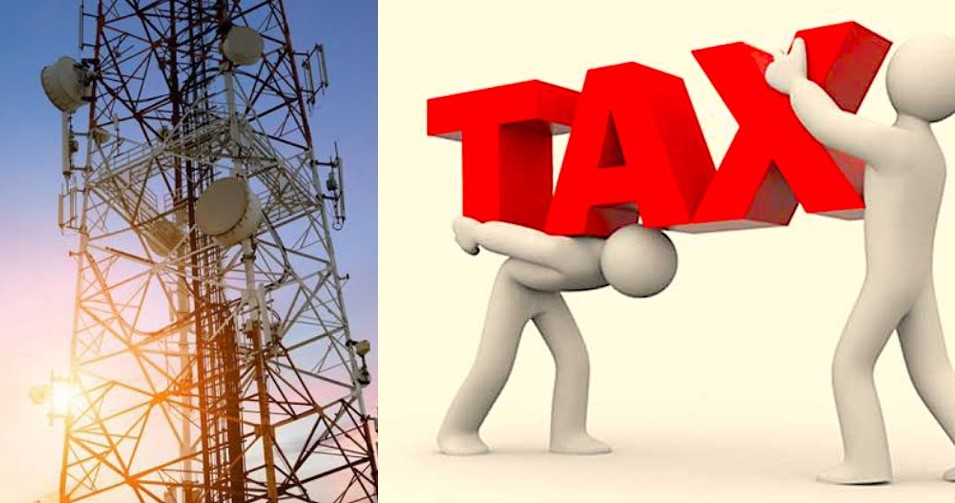
tax professionals bemoan telecom taxes

Telecom Taxes

The Global System for Mobile Communications Association (GSMA) has highlighted reasons the Federal Government of Nigeria should urgently implement downward review of telecom taxes.

The body believes the reduction in telecom taxes will encourage investments and boost the country’s digital economy.

Angela Wamola, the head of Sub-Saharan Africa at GSMA, according to Punch report, said Nigeria’s complex and burdensome tax regime is hindering the telecom sector’s ability to invest in infrastructure, expand services, and contribute to the country’s economic development.

The GSMA official said on Wednesday that the rising operational costs, driven by increasing energy prices, have placed considerable strain on telecom operators.

Wamola explained that the situation was further exacerbated by the difficulty in accessing foreign currency, which is essential for importing the equipment needed to expand and maintain network infrastructure.

Subscribe to our Telegram channel for the latest updates.

Follow the latest developments with instant alerts on breaking news, top stories, and trending headlines.

Join Channel

“These challenges are not unique to Nigeria; many African markets face similar issues. However, Nigeria’s complex and burdensome tax regime presents additional, country-specific obstacles that severely limit the sector’s potential,” the GSMA chief said.

Nigeria’s telecommunications sector has experienced a slowdown in growth and contribution to the country’s GDP in recent years. This decline is attributed to significant financial losses and deteriorating performance among telecom operators.

In 2023, telecommunications companies in Nigeria paid a total of approximately N2.4tn in taxes, a digital economy report from the Groupe Special Mobile Association indicated.

This figure represents a significant contribution to the Nigerian economy, as the telecom sector generated around N33tn, accounting for 13.5 per cent of the country’s Gross Domestic Product (GDP) during the year.

The GSMA official lamented that despite a 2020 agreement among state governors to set the RoW charge (Right of Way) at 145 naira per meter, many states have failed to comply with this rate.

According to her, this non-adherence has resulted in escalated costs for infrastructure deployment, with RoW charges now ranging from 1 per cent to 70 per cent of the additional costs of fiber optic installations, depending on the state.

The GSMA boss noted that this inconsistency not only hinders the deployment of vital infrastructure like fiber optics but also threatens the sector’s ability to finance necessary expansions.

However, if the agreed-upon rate of 145 naira per meter were uniformly applied, the GSMA official said that the cost of deploying fiber across the country could decrease by 15 per cent, making it more feasible for operators to invest in expanding their networks.

Wamola recommended that the government streamline taxes, harmonize right-of-way charges, and reduce multiple levies to encourage investment and enhance digital inclusion.

She argued that reforming telecom taxes would not only benefit the sector but also enhance economic growth, improve connectivity, and increase access to digital services for millions of Nigerians.


0Shares
upperlink
Advertisements
Previous Post

ChitChat Introduces Virtual Mastercard Debit Card Powered by Paymentology

Next Post

Stanbic IBTC Pension Managers Reassures Retirees of Quality Customer Service

Staff Writer

Staff Writer

Related Posts

Vertiv CoolChip CDU2300 solution

Vertiv Targets AI Boom with EMEA Liquid Cooling Launch 

May 30, 2026
facts behind the sustrainability | MTN Nigeria greenhouse gas emissions

MTN Nigeria Sets Telecom Sector Benchmark for Sustainability Reporting 

May 30, 2026

Vertiv Enables OADC to Scale AI, Hyperscale Workloads at Jo’burg Data Centre

May 30, 2026
Load More
Next Post
Stanbic IBTC Pension Managers - Financial Inclusion

Stanbic IBTC Pension Managers Reassures Retirees of Quality Customer Service

Leave a Reply Cancel reply

Your email address will not be published. Required fields are marked *

I agree to the Terms & Conditions and Privacy Policy.

This site uses Akismet to reduce spam. Learn how your comment data is processed.

Techeconomy Podcast
Techeconomy Podcast

The Techeconomy Podcast is a thought-leadership show exploring the powerful intersection of technology, business, and the economy, with a strong focus on Africa’s fast-evolving digital landscape.

Financing the Future: Venture Debt, Local Capital & African Innovation | TBS May 2026 Webinar
byTecheconomy

Africa’s innovation ecosystem is evolving, but where will the funding for the next generation of startups come from?

In this edition of the Techeconomy Business Series (TBS) May 2026, industry experts explore how local capital, venture debt, and smarter investment structures are redefining startup growth and innovation across Africa.

🎙️ Featured Speakers:

* Ebunoluwa Ashley-Dejo

* Damilare Davola

* Success Ajilore (STN & Accelerated Plus)

Key conversations in this webinar include:

✔️ The future of startup financing in Africa

✔️ Venture debt and alternative funding models

✔️ The role of local investors in scaling innovation

✔️ Sustainable investment strategies for African startups

✔️ Opportunities and challenges in the African tech ecosystem

Subscribe for more conversations shaping Africa’s digital economy and innovation landscape.

#TBS2026 #AfricanInnovation #VentureDebt #StartupFinance #TechInAfrica #Techeconomy #AfricanStartups #InnovationEconomy

Financing the Future: Venture Debt, Local Capital & African Innovation | TBS May 2026 Webinar
May 27, 2026
Techeconomy
PROTECTING INNOVATION IN AFRICA’S STARTUP ECOSYSTEM
April 29, 2026
Techeconomy
BUILDING TRUST IN AFRICA ECOSYSTEM
February 27, 2026
Techeconomy
Navigating a Career in Tech Sales
January 29, 2026
Techeconomy
How Technology is Transforming Education, Health, and Business
November 27, 2025
Techeconomy
Search Results placeholder
upperlink
Advertisements
ADVERTISEMENT
  • About Us
  • Careers
  • Contact Us
  • Privacy Policy

© 2026 TECHECONOMY.

No Result
View All Result
  • Technology
  • Business
  • Economy
  • Features
  • Editorial
  • Brand Content
  • TECHECONOMY TV

© 2026 TECHECONOMY.

This website uses cookies. By continuing to use this website you are giving consent to cookies being used. Visit our Privacy and Cookie Policy.