

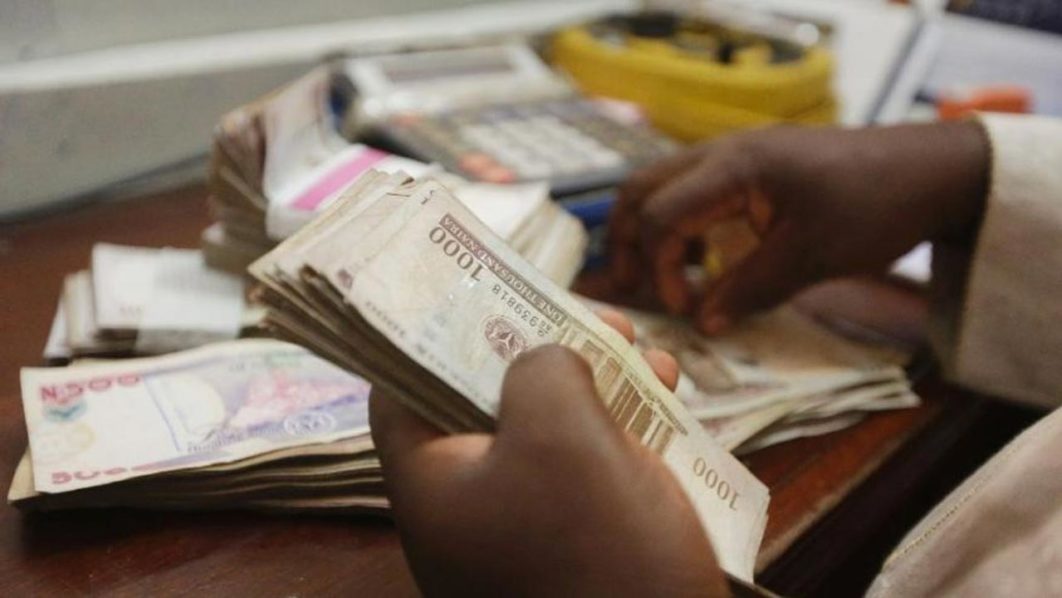
The Central Bank of Nigeria (CBN) has announced sweeping adjustments to the country’s cash-handling regulations, scrapping caps on cash deposits and increasing weekly withdrawal limits for individuals and corporate organisations.
The new rules take effect from January 1, 2026.
In a circular issued to banks and other financial institutions, the apex bank said the revisions are intended to ease constraints faced by citizens and businesses, while also helping to curb the high cost of currency management and strengthen oversight of cash-based transactions.
Under the updated guidelines, the CBN has eliminated all cash deposit limits, meaning individuals and companies can now make deposits of any amount without incurring the previous processing fees tied to excess deposits.
At the same time, the weekly cash withdrawal limit across all channels has been increased to ₦500,000 for individuals and ₦5 million for corporates. Withdrawals beyond these thresholds will attract excess-withdrawal charges of 3% and 5%, respectively.
The CBN also confirmed that the special monthly authorisation that previously allowed individuals to withdraw up to ₦5 million and corporates ₦10 million once a month has been discontinued.
Daily ATM cash withdrawals remain capped at ₦100,000 per customer, while total weekly ATM withdrawals must fall within the new ₦500,000 individual limit. Banks have been directed to load all currency denominations in ATMs to improve access for customers.
The circular further clarified that third-party cheque encashment is still limited to ₦100,000 over the counter, and such withdrawals will count toward the weekly limit.
According to the CBN, the changes are aimed at “moderating the rising cost of cash management, addressing security challenges, and reducing money-laundering risks.” The apex bank noted that Nigeria’s heavy dependence on physical cash continues to pose economic and security vulnerabilities.
Implications for consumers and businesses
The removal of deposit limits is expected to ease pressure on traders, SMEs, and individuals who handle significant cash inflows. However, the higher withdrawal limits, combined with steep excess-withdrawal fees, may nudge more Nigerians towards digital payments, mobile banking, and cashless alternatives.
Analysts say the move could benefit the fintech ecosystem as more businesses seek convenient digital tools to manage payments and liquidity without attracting additional charges.
The CBN emphasised that diplomatic missions, embassies, and donor agencies will no longer enjoy exemptions under the revised rules, signalling its intention to apply the policy uniformly across all segments.
The new directives form part of the bank’s broader strategy to strike a balance between improving financial inclusion and steering the country steadily toward a more cash-efficient and digitally driven economy.