

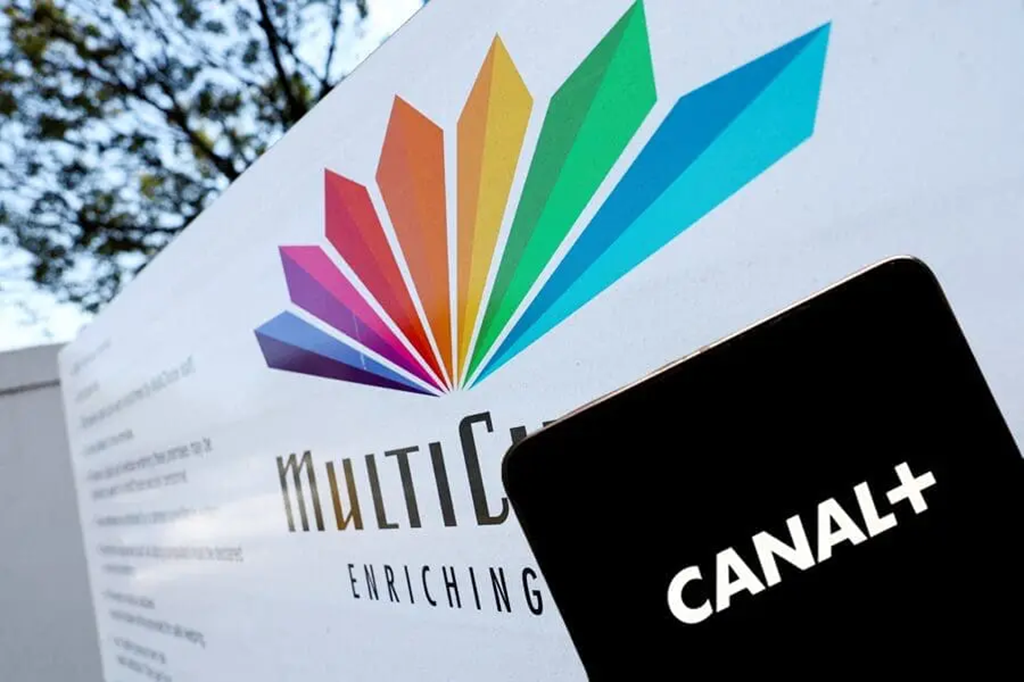
When the closing bell rings on the Johannesburg Stock Exchange (JSE) this Wednesday, it will mark more than just one company’s exit from public trade, it will signal the end of a 40-year chapter in African television history.
From Signal Box to Stock Symbol
MultiChoice began life in 1985 with the launch of M-Net. Over decades it turned from a pioneering pay-TV upstart into a household name across the continent, thanks to DStv, Showmax, signature sports packages, and a string of prime-time hits.
That journey made MultiChoice a symbol of Africa’s media growth: from the grainy decoders of the ’90s, through the age of satellite dishes, to the streaming ambitions of the 2020s. But on December 10, 2025, that symbol will vanish from public markets.
The Takeover That Changed Everything
Behind this shift is a takeover by Canal+, the French media powerhouse, which, after nearly two years of negotiations, has finally completed its acquisition of MultiChoice.
With more than 90% of MultiChoice shares tendered in the offer, Canal+ triggered a “squeeze-out,” compelling the remaining minority shareholders to relinquish their stakes under the terms of the takeover.
That squeeze-out has paved way for the delisting, which was scheduled to take effect from December 10, 2025, pending regulatory sanctions from the JSE, the A2X market, and the South African Reserve Bank.
What This Means for Viewers and the Industry
For millions of DStv and Showmax subscribers across Africa, the delisting might not feel like much at first: streaming, live sports, and premium content continue. But behind the scenes, the shift represents something deeper:
- Local investors lose direct ownership. Once a listed company, MultiChoice’s shares were accessible to South African and regional investors alike. With the delisting, local investors no longer hold direct stakes, they now own parts of a larger foreign-controlled entity.
- Strategic consolidation of media power. Canal+ now controls one of Africa’s largest pay-TV and streaming footprints, combining MultiChoice’s legacy reach with its own global resources, sports rights, and content networks. Analysts see this as a significant consolidation in global media markets.
- A possible rebirth, not an end. Canal+ has committed to a “secondary inward listing” on the JSE within nine months of delisting. That could restore some investor access — but under very different management, strategy, and possibly corporate identity.
A Shift Beyond Business
For many across Africa, MultiChoice wasn’t just a company, it was culture. Saturday afternoon football on DStv, Friday-night movies, the first local Nollywood drama on cable, the early days of Showmax streaming.
For a generation it was part of home. Its delisting is symbolic: a sign that the “old guard” of African pay-TV is handing off the baton to a global media conglomerate.
But as one door closes, another may open. With Canal+’s backing, there is potential for deeper investments, in local content, infra-structure, and cross-continental reach. Whether audiences embrace that future or mourn the end of an era will depend on how this legacy is managed.
Well…
The last trading day for MultiChoice’s shares doesn’t just mark a corporate milestone, it signifies a turning point in Africa’s entertainment story.
The exit from the JSE closes a chapter.
The new ownership under Canal+ might begin a new one. For millions of viewers, investors, and media lovers, it’s a bittersweet farewell, and an uncertain, but potentially promising, new beginning.