


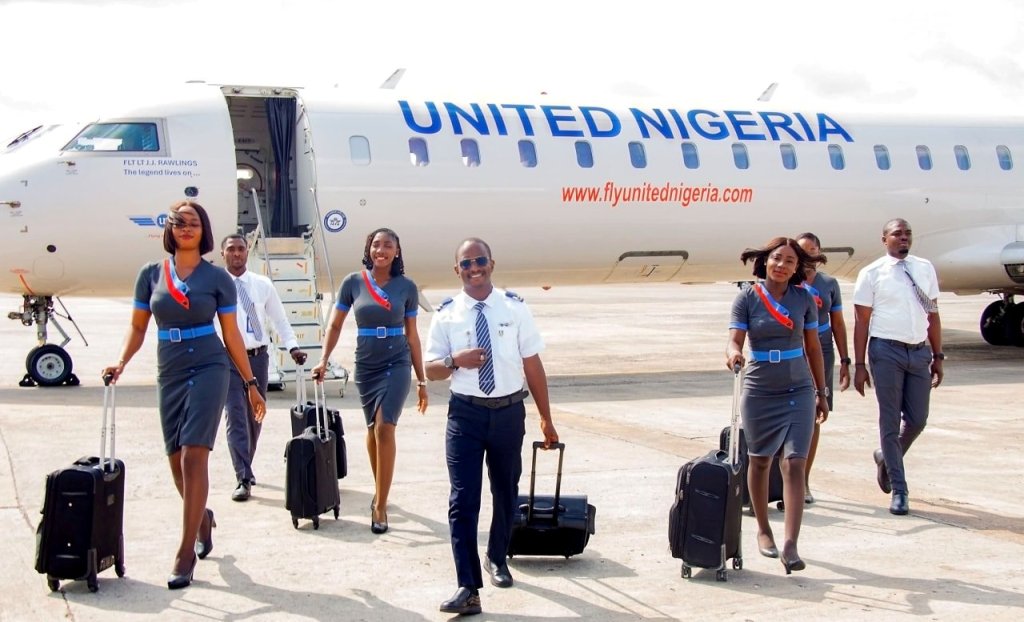
When Nigerians complain about the cost of flying, their frustration is not without reason. Behind every ticket a traveller purchases, whether to Lagos, Abuja, or Enugu, lies a hidden burden few passengers ever see; 18 different taxes and charges silently stacked on a single flight.
This startling revelation came from Professor Obiorah Okonkwo, executive chairman of United Nigeria Airlines, who has now become one of the strongest voices demanding a reform of Nigeria’s aviation tax regime.

The moment came during the inauguration of commercial operations at the Ekiti Agro-Allied International Airport, a ceremony meant to celebrate new possibilities for farmers, traders, and travellers. But Okonkwo used the platform to spotlight what he described as “one of the biggest obstacles to affordable air travel” in the country.
Standing before state officials, aviation regulators, and industry players, he peeled back the curtain on what truly inflates the price of a plane ticket.
“We are taxed about 18 taxes on one single ticket,” he said, his voice firm. “Seventy percent of the ticket you buy goes to government agencies.”
For the ordinary traveller struggling to book a flight for a family trip, a business meeting, or a medical appointment, the numbers are jarring. They mean that even before an airline fuels its aircraft or pays its crew, a large portion of ticket revenue has vanished into a maze of statutory charges.
Okonkwo believes the solution lies squarely in the hands of lawmakers.
“With the help of the National Assembly… if government reduces these taxes, ticket prices will automatically drop. Air travel will become affordable to all.”
He offered one piece of practical advice to travellers: “Buy your ticket early. It’s the easiest way to get lower rates.”
But even he acknowledged that early booking can only go so far when systemic issues persist.
Lawmakers Step in as Airfares Climb
The Senate appears to be paying attention. Alarmed by skyrocketing domestic fares, lawmakers have summoned Festus Keyamo, the minister of Aviation and Aerospace Development, along with key industry stakeholders, for an emergency dialogue.
The urgency stems from concerns raised by Senator Abdulfatai Buhari (Oyo North), who warned that rising fares could paralyse mobility across the country, especially as the festive travel season approaches.
When approached by journalists, Keyamo pointed to another layer of the aviation crisis: aircraft scarcity and limited maintenance infrastructure. Fewer aircraft, he explained, inevitably push fares higher.
A Regional Shift: ECOWAS Prepares to Scrap Ticket Taxes
Even beyond Nigeria, reform is gaining momentum. The Economic Community of West African States (ECOWAS) has announced that it will prohibit ticket taxes across all airports in the subregion starting January 2026.
The goal is simple: make air travel cheaper and accelerate regional economic integration.
ECOWAS officials argue that government-imposed taxes, not fuel, not airlines, are the biggest drivers of the expensive tickets West Africans are forced to pay.
A System at a Breaking Point
The picture that emerges is one of an aviation industry squeezed between:
- massive taxation,
- shortage of aircraft,
- high operational costs, and
- infrastructure gaps.
For passengers, the result is painfully familiar: fares that keep climbing out of reach.
But Okonkwo’s message at the Ekiti airport launch carried a hopeful undertone. If government acts, if the tax load is cut, Nigeria could witness a dramatic drop in flight prices.
Until then, Nigerians will continue to shoulder the weight of 18 different taxes on every ticket they buy, paying for much more than the journey itself.
[Source: TheCable]


