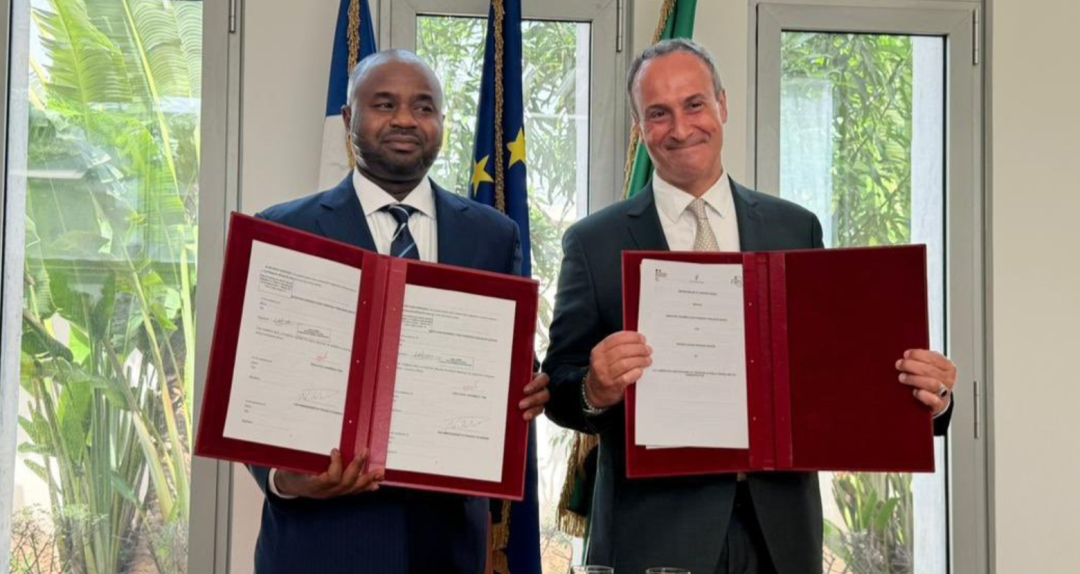
Nigeria’s proposed Memorandum of Understanding (MoU) with France on tax reform has become the subject of intense public scrutiny, following reports that the Federal Inland Revenue Service(FIRS) is considering a partnership with the French government.
The issue was discussed on the VOP Newspaper Review Show, hosted by Moses Humphrey, where legal and economic experts raised concerns about the implications of the deal.
During the programme, Mr. Darlington Agomou expressed strong reservations about the rationale behind Nigeria’s decision to engage France on tax reform and revenue systems.
“If they are coming here for the purpose of our tax reform, are you not going to provide them with all they need to work? And when you are providing it, are you not giving some information away?” Agomou asked.
He also questioned why foreign assistance was being prioritised over Nigerian professionals, arguing that the country possesses sufficient technical and intellectual resources to manage its tax infrastructure independently.
“So, of all the people you have in Nigeria, all the tax experts, none of them could do this except France? Why can’t we build a system? Why can’t we build that infrastructure to collect it ourselves? We have IT firms that can do all of this, Nigerians, a lot of them,” Agomou stated.
According to him, Nigeria already possesses the technological capacity to manage its tax and revenue systems independently. He pointed to Remita, a locally developed payment platform, as a successful example of indigenous innovation.
“Has anybody come with any complaint against Remita since they have been working? It was Jonathan who created that thing, now all of a sudden, they are no longer good for us. We don’t like success in this country. Every successful story, the government will try to kill it,” he remarked.
Also speaking on the programme, Mr Chukwuma Okoro shifted the conversation towards the ownership of tax revenues, emphasising that taxes fundamentally belong to the Nigerian people, not the government.
“When we say ‘we’, who are Nigerians? Is it not your money, tax? Is it government money?” Okoro asked.
The conversation reflects growing unease over Nigeria’s tax reform agenda, particularly the reliance on foreign partnerships at the expense of indigenous solutions. Concerns about transparency, data control, and national interest continue to dominate public discourse, as many Nigerians question whether the proposed MoU with France serves the country’s long-term economic sovereignty.