The Tin Can Island (TCI) Port Command of the Nigerian Customs Service (NCS) announced on December 23, 2025, that it exceeded its annual revenue target, generating a record N1.576 trillion just days before year-end.
The N51.84 billion surplus over the original target results from the command’s disciplined approach, professional execution, and strategic policy implementation rather than mere chance.
At a media briefing in Lagos, Customs Area Controller (CAC) Frank Onyeka stated:
“For the 2025 fiscal year, Tin Can Port Command was assigned a revenue target of N1.524 trillion. I am pleased to inform you that as of the time of this report, the command had generated a total revenue of 1.576 trillion.
“This means we have exceeded our revenue target for the year by N51.84 billion naira through improved valuation, diligent cargo examination, and strict adherence to customs procedures. The command ensured that government revenue due on this import was fully and promptly collected,” he added.
Controller Onyeka emphasised that the success was the result of deliberate reforms and structured improvement in revenue processes.
“This growth did not happen by chance; it is the outcome of deliberate reforms, improved processes, and collective responsibility.
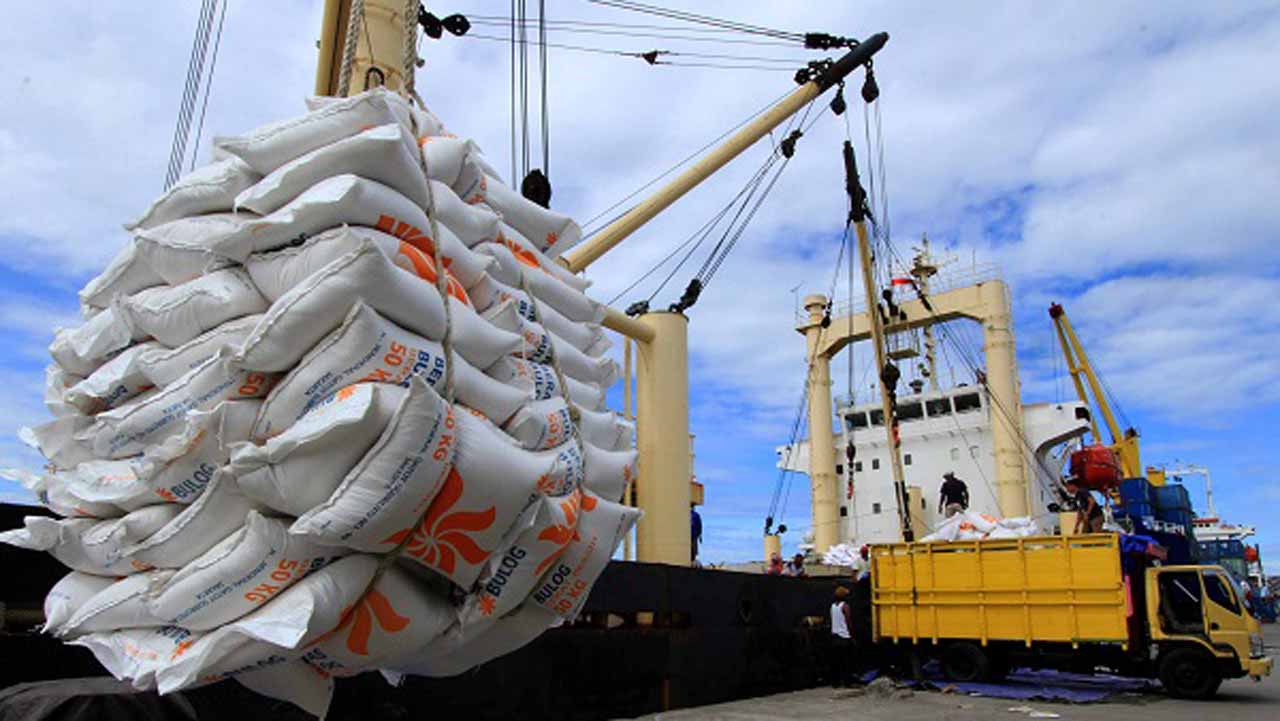
“Our major revenue contributors remain bulk cargo, general merchandise, and the importation of used vehicles, which constitute a significant volume of trade passing through the Port,” he said.
For context, the Federal Government generates revenue through taxes, such as income, corporate, payroll, excise, and property, and crude oil sales.
Others include non-tax sources like customs duties, service fees, sales of goods, property income and profits from state-owned enterprises.
These avenues fund government operations, infrastructure and social programs.
The N51.84 billion surplus at Tin Can Port points to several economic benefits such as enhanced fiscal stability, stronger budgetary capacity, validation of digital reforms, increased trade and consumption indicators, and improved compliance and enforcement within the port system.