On a crisp Wednesday morning in the heart of Nigeria’s capital, a quiet but significant ceremony unfolded that signals a new chapter in the nation’s fiscal story.
For decades, the Federal Inland Revenue Service (FIRS) was the familiar face of federal tax collection, its acronym etched into government forms, business licences and academic discussions alike.
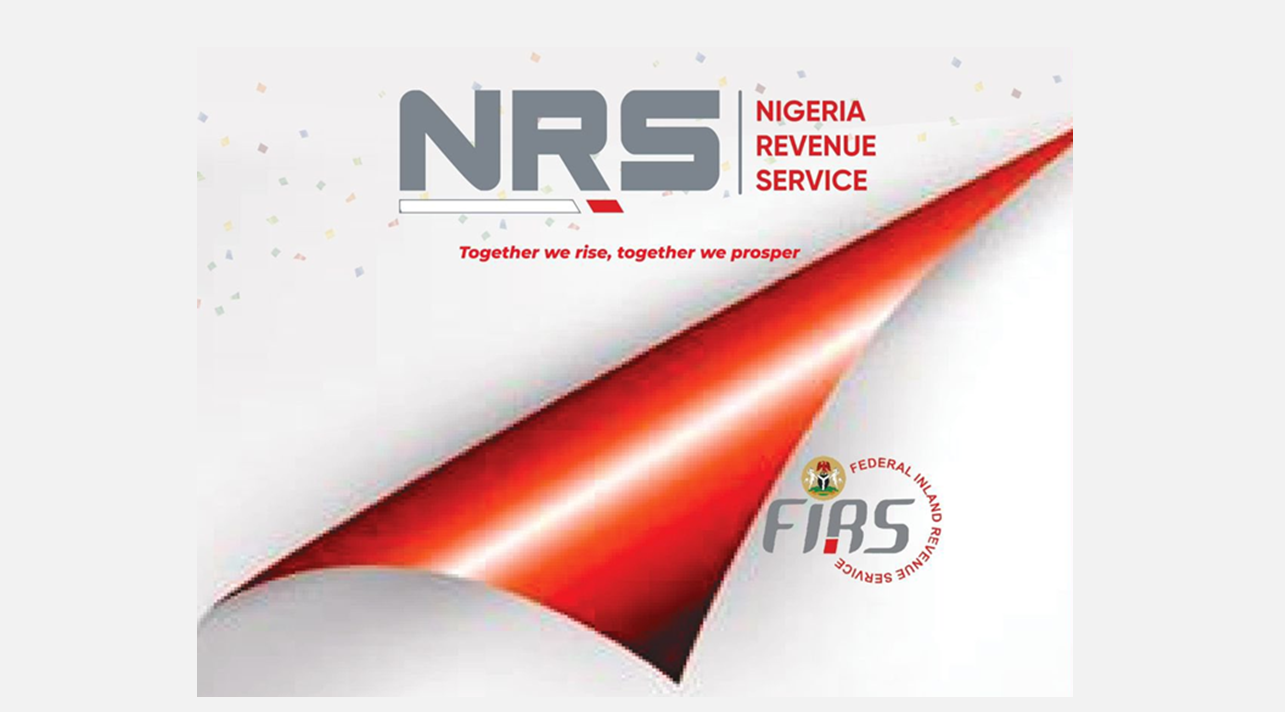
But that identity, long a fixture of Nigeria’s revenue landscape, was replaced this week as the agency formally transmuted into the Nigeria Revenue Service (NRS), ushering in a broader, reimagined era of revenue administration.
The change didn’t happen overnight. Behind the scenes, months of legislative and administrative groundwork, including the signing of the Nigeria Revenue Service Establishment Act, 2025 by President Bola Ahmed Tinubu last year, laid the foundation for the transition.
The law repealed the older FIRS framework and established the NRS as the country’s central authority for federal revenue collection, marking a major milestone in the government’s sweeping tax reform agenda.
At the unveiling event in Abuja, Zacch Adedeji, the first executive chairman of the NRS, stood before officials, stakeholders and journalists to reveal the organisation’s new logo, a symbol of not just a name change but a renewed vision.
“This new identity reflects our commitment to a more unified, efficient and service-oriented revenue system aligned with Nigeria’s economic transformation agenda and global best practices,” Adedeji said, according to official statements.
Beyond a New Logo: A Strategic Repositioning
The logo itself, bold, modern and forward-leaning, was more than just design. For many inside and outside the agency, it represented a break from the past and a bold step into the future of public finance management in Nigeria.
Officials described the new emblem as signalling continuity of purpose, strengthened institutional capacity, and a forward-looking approach to supporting taxpayers and national development — a message that resonates deeply at a time when revenue mobilisation is essential to funding public services, infrastructure and social programmes.
In his remarks, Adedeji stressed that the unveiling isn’t the end of the journey, but the beginning of a deeper relationship between the revenue authority and the Nigerian public, one built on trust, clarity and shared prosperity.
Reform in Context
The launch of the NRS and its new brand identity coincides with the implementation of a comprehensive tax reform regime that took effect as the calendar flipped to 2026. The broader reforms aim to streamline revenue collection, expand the tax base, modernise administrative processes and improve compliance, efforts that officials hope will boost government revenue and strengthen the economy.
For businesses and individuals alike, some aspects of the reform already have tangible implications. For example, the National Identification Number (NIN) has been designated as the Tax Identification Number (TIN) for individuals, and Corporate Affairs Commission (CAC) registration numbers will serve a similar role for companies, a shift designed to simplify and integrate tax administration systems.
What It Means Going Forward
Analysts say the transition from FIRS to the NRS is more than a rebrand. It signals a strategic pivot toward a unified revenue authority with expanded powers and responsibilities, reflecting global best practices and Nigeria’s own macroeconomic priorities.
Yet, with change comes debate. The tax reforms tied to the NRS’s operational rollout have sparked public discussion, including legal challenges and legislative scrutiny, underscoring the sensitive balance between reform, transparency and public confidence.
As the NRS begins its official life under a new name and emblem, the goal is clear: to build a revenue administration that is efficient, transparent and service-driven, capable of supporting Nigeria’s development ambitions while earning the trust of taxpayers nationwide.
From a logo on a podium in Abuja to the everyday interactions between citizens and the tax system, this symbolic moment marks a fresh chapter in Nigeria’s fiscal story, one shaped by reform, expectation and the promise of a more modern revenue future.