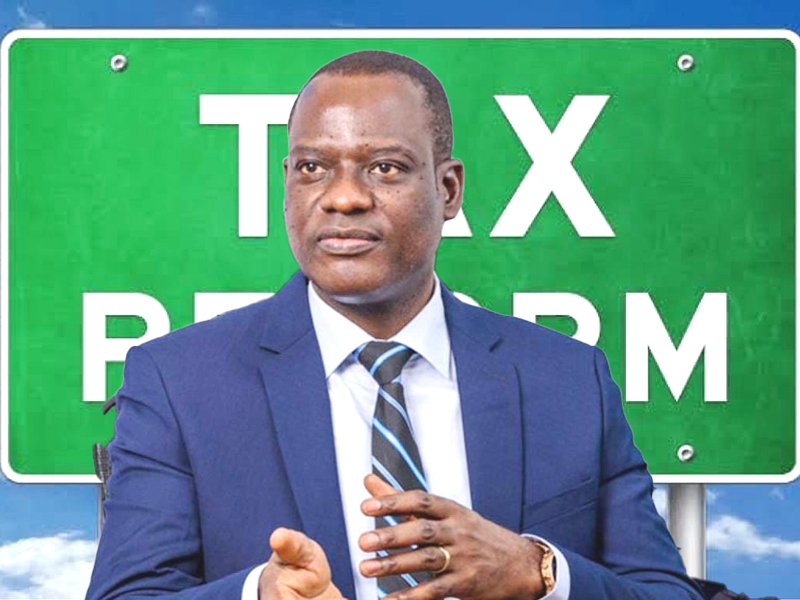
In a significant development for Nigeria’s fiscal landscape, Taiwo Oyedele, chairman of the Presidential Fiscal Policy and Tax Reforms Committee, has publicly faulted a recent analysis by KPMG Nigeria regarding the newly implemented Tax Reform Laws.
The disagreement highlights a growing tension between the government’s aggressive reform agenda and the interpretations of top-tier professional service firms.
Just days after Nigeria’s ambitious new tax framework came into force on 1 January 2026, global advisory firm KPMG raised serious concerns that the very laws designed to simplify and modernise the country’s tax system may instead be sowing confusion and risk, potentially undermining investor confidence and economic growth.
But, Oyedele dismissed claims made in the KPMG publication that suggested “gaps” and “errors” existed in the legislation.
According to the Committee Chairman, many of the provisions KPMG labeled as “errors” were actually deliberate strategic shifts designed to simplify the tax code and eliminate regressive taxes.
Oyedele emphasized that the reforms, specifically the Nigeria Tax Act 2026, are aimed at creating a predictable environment for investors, contrary to the “uncertainty” suggested by the firm’s report.
He cautioned that analyzing the law in isolation without understanding the broader 2030 digital economy goals leads to “invalid conclusions” that could cause unnecessary panic among corporate taxpayers.
What This Means for Businesses
Despite the critique from KPMG, the government has signaled that it will not back down on the implementation timeline.