


In Nigeria, where the average smartphone user juggles WhatsApp, Instagram, and intermittent power supply like Olympic sports, the mid-range phone is king.
Well over half of smartphones sold in the country are in the lower to mid-range segments, so much so that TECNO controlled 23.5% of the market around this time last year.
Interestingly, TECNO still holds the largest share of any brand in 2026, far ahead of premium competitors. Samsung and Apple, while strong globally, held under 13% and 10% of the Nigerian market respectively.
For many, owning a mid-range smartphone that functions like a flagship in Nigeria, is necessary for work, among other needs, and this is precisely the arena where TECNO, the country’s leading smartphone brand, refuses to leave anything to chance.
TECNO’s strategy, according to its marketing leadership, is rooted in “listening”.
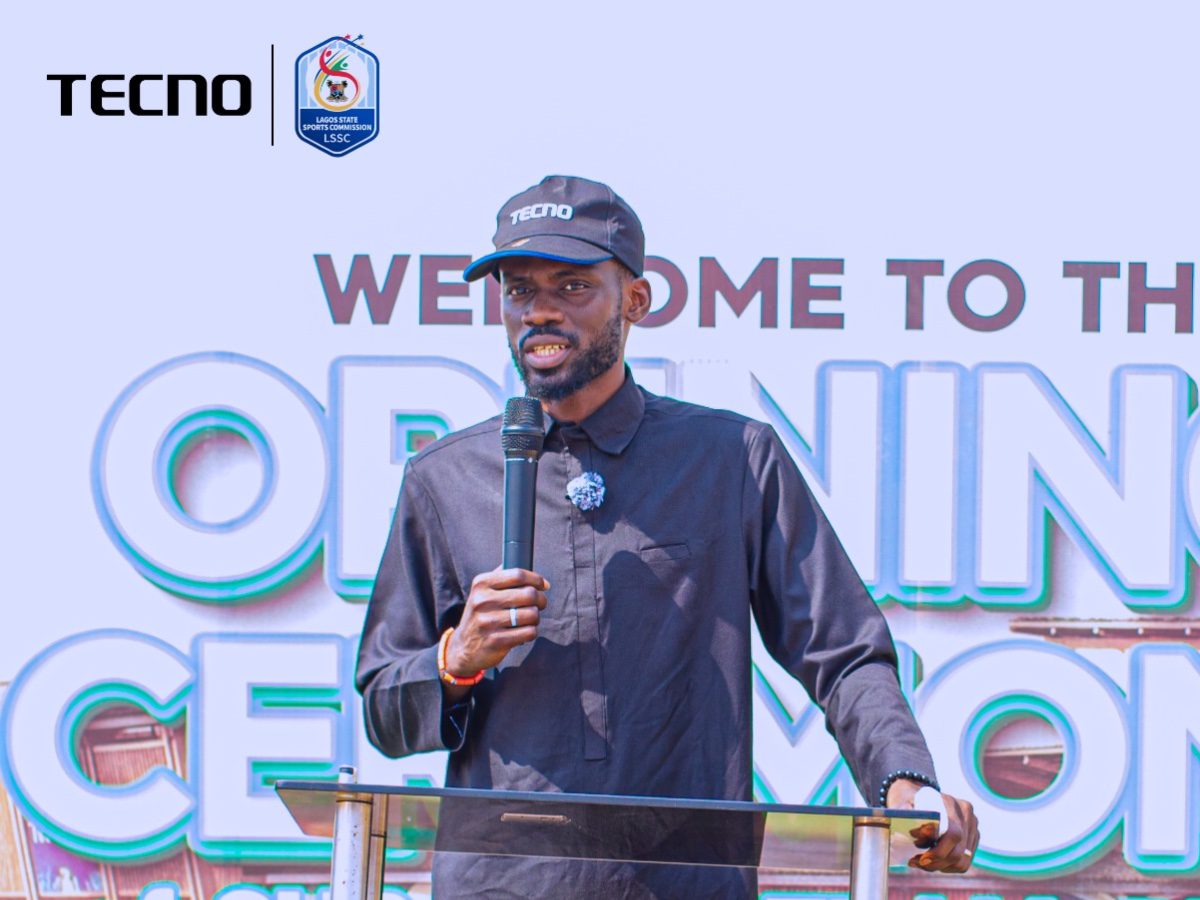
“Every device we produce is always an improvement in lifestyle. We take customer feedback 150% seriously,” said Olumide Yomi-Omolayo, marketing manager at TECNO.
That line captures the company’s approach. Before a phone exists, TECNO defines who it is for, what they earn, and what they are willing to give up. Research happens early, during launch, and long after the device reaches the street. “So we do before, when it comes, and then after.”
Feedback is not siloed. It moves across engineering, pricing, retail, and marketing, determining how devices are built, sold, and positioned.
TECNO’s teams track income brackets, spending patterns, and economic shifts, using that data to decide what stays and what goes. The innovator’s approach shows a careful balancing act between affordability and functionality.
“What is important is that the compromise is fair,” Olumide explained.
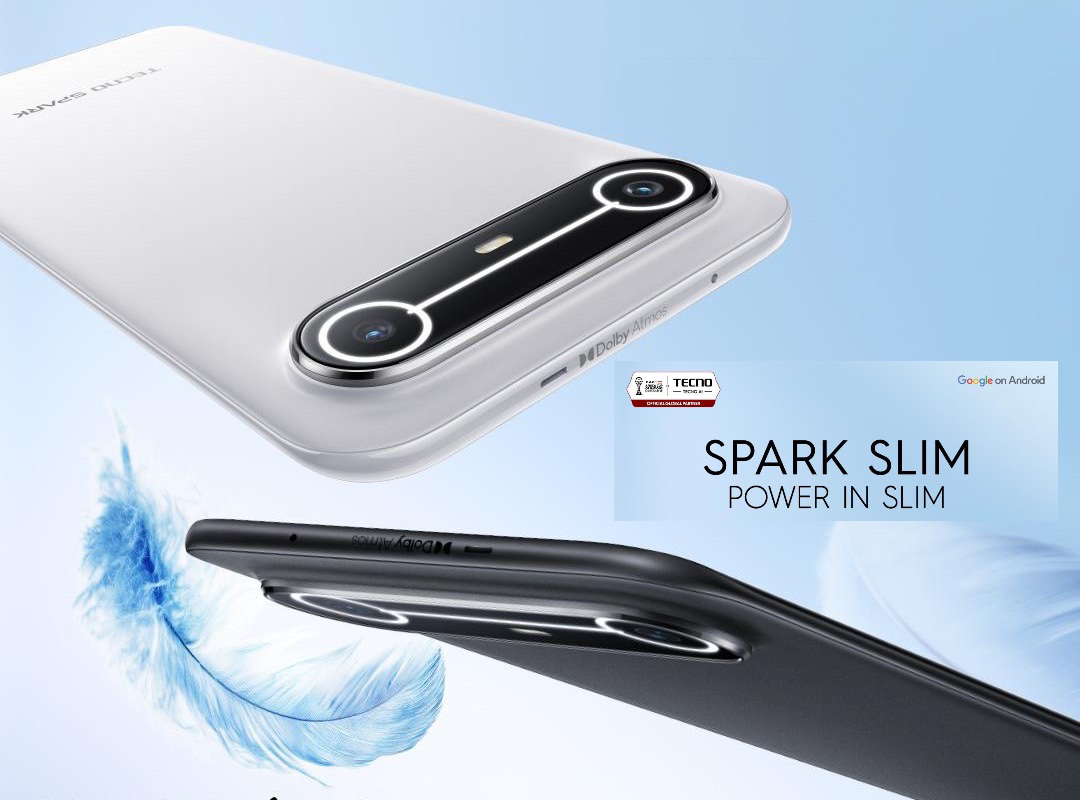
This is where TECNO has started to unsettle competitors. In 2025, the company launched advanced on-device intelligence features into its Spark series, a category where such tools were previously absent or heavily limited.
“The Spark 40 is the first mid-range device to offer AI features you won’t find elsewhere. If you’re looking for something similar, you’d usually have to pay N300k, N400k, or even N500k,” he explains.
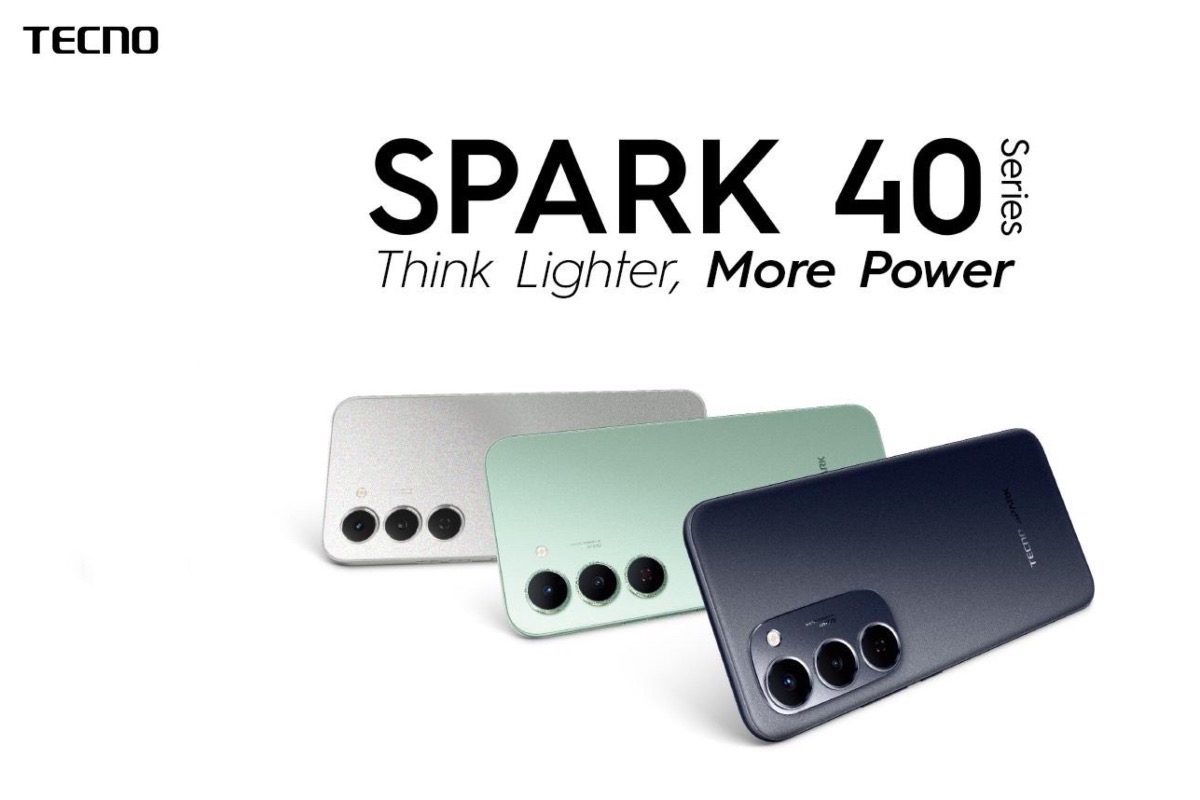
In pushing features typically reserved for higher price tiers into more affordable phones, TECNO narrowed a gap that many consumers had accepted as permanent. It did not eliminate the difference between mid-range and flagship, but it made that difference less painful.
Design decisions follow the same logic. Slimmer devices, lighter builds, bolder colours, and even visual similarities to premium brands are not accidents. “All those designs are based on feedback.” As global brands go after trends, TECNO studies behaviour.
When users ask for lighter phones, the hardware changes. When they want devices that look refined, form follows demand. Even colour choices are shaped by what customers respond to, not what looks good in a global campaign deck.
Growth, in this environment, is not just about attracting new buyers. TECNO enjoys high retention rates, with a significant portion of users returning to upgrade within the ecosystem, a rare achievement in Nigeria’s fiercely competitive mid-range market.
“We have a very high retention rate here. People who are coming back because we take feedback.” Some customers upgrade every cycle. Others wait years, then return. Both are important.
TECNO’s ecosystem strategy depends on trust built over time, the sense that the brand remembers what users asked for and acts on it.
That trust is now extending into software. “We’re very big on AI, indigenous AI features, features that are on our operating system, not even on Google.”
The emphasis is important. These are not borrowed tools layered on top of Android, but are features built for local usage, running directly within TECNO’s system, designed for how people actually use their phones in Nigeria.
In a market where price limits ambition, TECNO has chosen a different path. It does not promise everything. It promises relevance.
Success, over the next few years, will show up in retention, in repeat buyers, and in how often competitors are forced to respond.
In the mid-range smartphone sector, where margins are thin and loyalty is rare, TECNO believes that listening harder than everyone else is still the strongest advantage in Nigeria and beyond.



