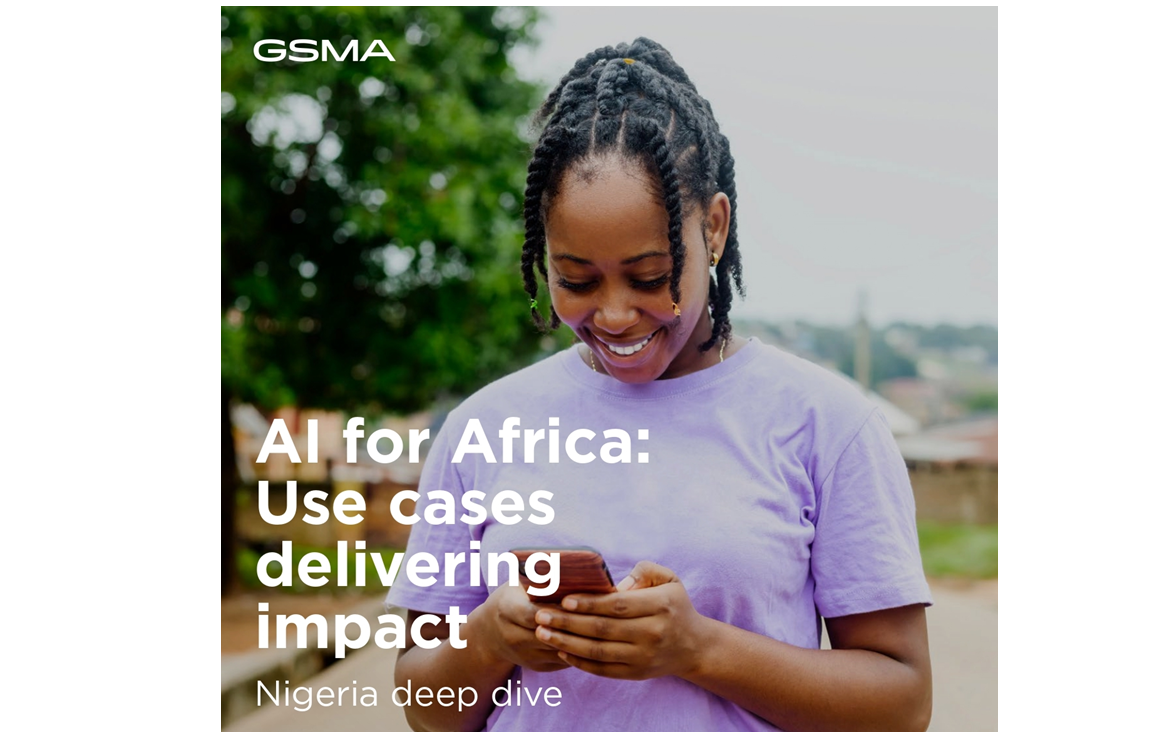
In a landmark move to strengthen Africa’s digital sovereignty and AI ecosystem, the GSMA, in partnership with leading operators, technology firms, research institutions, and innovation hubs across the continent, late last year announced a continent-wide collaboration to develop African AI language models.
Key partners include
- Airtel,
- MTN,
- Vodacom,
- Orange,
- Cassava Technologies,
- Ethio Telecom,
- Qhala,
- Lelapa AI,
- Masakhane African Languages Hub,
- Awarri,
- Axian Telecom,
- Pawa AI,
- African Population for Health Research Center (APHRC), and
- World Sandbox Alliance.
Under the shared ambition, “AI Language Models in Africa, By Africa, For Africa,” the initiative seeks to close Africa’s AI language gap, ensuring that the continent’s voices, cultures, and knowledge are fully represented in the global digital future.
By doing so, the partners hope to empower businesses, governments, and communities to create AI applications tailored to African realities, from healthcare and education to public service delivery, customer experience, and the creative industries.
“Africa is home to more than 2,000 languages, yet only a fraction are supported in current AI systems,” the GSMA notes. “This lack of inclusion risks widening existing digital and economic divides. Through African-led language models, we can build technology that truly reflects our continent.”
The announcement follows a feasibility study led by the GSMA and its regional members, which confirmed that African-led AI language models are both technically feasible and economically viable. However, the study highlighted that success depends on collective leadership, investment, and collaboration, not fragmented efforts.
Building Africa’s Digital Future
The study identified four critical areas requiring attention: data, compute, talent, and policy. The collaboration will mobilise operators, governments, researchers, technology providers, investors, and development partners to address these gaps and accelerate AI development across the continent.
To translate vision into action, dedicated working groups will be established to drive measurable progress across these four pillars. Partners have committed to regularly sharing outcomes and lessons learned at GSMA events, ensuring accountability and sustained momentum.
By creating AI models trained on African languages and local datasets, the initiative aims to enable AI-powered solutions that are contextually relevant, helping African industries innovate and scale. Beyond technology, the effort is also about strengthening Africa’s digital sovereignty, giving the continent control over the tools shaping its future.
The GSMA is calling on startups, academia, civil society, creative industries, donors, and global technology players to join the initiative.
By pooling resources, expertise, and shared vision, ecosystem partners can unlock opportunities in data, compute, talent, and markets, driving inclusive AI adoption across Africa.
“Through a collective, problem-solving approach, we can ensure that Africa’s languages, cultures, and knowledge are represented in the AI systems of tomorrow, building an inclusive, African-led digital future,” the GSMA said.
With this initiative, Africa takes a bold step toward shaping its own AI narrative, ensuring that the next wave of global artificial intelligence is not only powered by Africa’s talent but also reflective of its rich cultural and linguistic diversity.
Angela Wamola, head of Africa, GSMA said:
“Africa’s diversity of languages and cultures is one of our greatest strengths, yet it has too often been overlooked in the development of global AI systems. This initiative is about turning that challenge into an opportunity – building African-led AI capacity, empowering innovation across local industries, and ensuring Africa shapes the digital future on its own terms. By working together, we can make AI more inclusive, more relevant, and more reflective of the world we live in.”