



The most recent collapse of Nigeria’s national power grid, which caused widespread electricity outages across the country, underscored once again the disruptive energy issues that local industries face on a regular basis.
For sectors central to Nigeria’s economy, particularly oil and gas and the country’s growing mining segment, an inconsistent power supply can halt operations, compromise safety and limit output.
In fact, the World Bank estimates that Nigeria loses $29 billion a year due to its unstable power supply, emphasising the importance of dependable back-up power to help keep the wheels of industry turning.
At the same time, Nigeria has set an ambitious target of achieving carbon neutrality by 2060, even as oil and gas continues to play an important role in its economy, despite oil production’s percentage of GDP falling from 40 percent in 2000 to figures closer to the four to five percent mark in 2025.
In fact, the country has outlined its commitment to the use of natural gas as a cornerstone of its updated Energy Transition Plan (ETP), highlighting that gas is still a critical pillar of the country’s energy landscape, as a cleaner alternative to coal and diesel, and signalling the need to balance current economic realities with long-term sustainability commitments.
Mining is re-emerging as a promising area for growth, as Nigeria advances its economic diversification agenda.
In fact, with a revised sector growth and development roadmap for the Nigerian mining industry introduced in 2016, the government aims to increase the sector’s total contribution to Nigeria’s GDP to about 10 percent by 2026.
However, for these sectors to reach their full potential and, in fact, for the country’s broader long-term growth, structural constraints such as inadequate infrastructure and persistent power instability must be addressed, says ISS African Futures.
The combined outcome is clear: energy reliability across natural resource industries remains critically important in the present, even as Nigeria supports global efforts to move away from fossil fuels in the future.
This scenario strengthens the case for modern power technologies, such as battery energy storage systems (BESS), which can improve resilience while supporting cleaner energy pathways.
How Can BESS Play a Role in Unlocking Natural Resources?
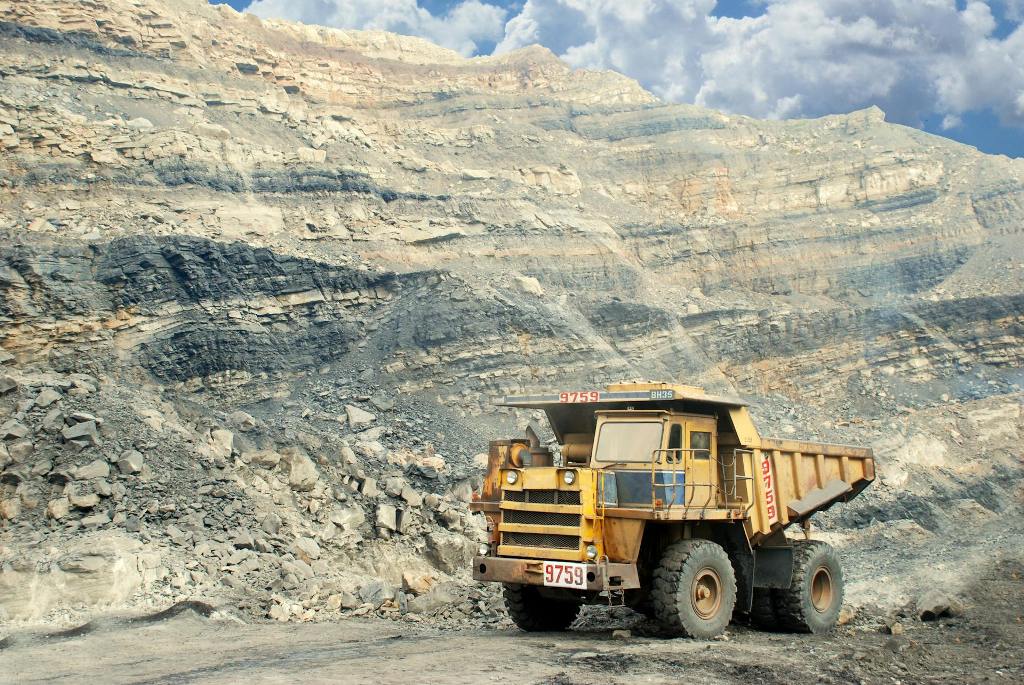
As noted, oil and gas production, as well as mining, requires dependable and constant electricity to power critical operations, protect equipment and support the safety of workers.
Diesel generators, while common, are expensive to run and maintain – accounting for up to 40 percent of operational expenses for local mining operations, states the Nigerian Minerals Exchange – and furthermore contributing significantly to carbon emissions.
In contrast, a BESS solution stores electricity in rechargeable batteries, which is then released as needed for later use, providing reliable support during grid disruptions and enabling greater operational continuity.
Large banks of batteries can supplement power during peak operating periods or outages, something that is particularly useful for industrial operations in remote locations. A BESS solution supports vital safety systems, ventilation and other essential machinery.
Beyond reliability, BESS installations are designed to integrate easily with renewable energy generation, in the form of solar panels or wind turbines, enhancing the environmental credentials of industry operators.
For heavy industries seeking a pathway toward lower-carbon operations, energy storage offers a practical and economically sound bridge.
With deep expertise in power and critical infrastructure, Vertiv’s BESS solutions can help Nigeria to power through the next phase of its energy mix, with positive consequences for the country’s economy, as well as providing an element of goodwill to all those with a global interest in the ongoing shift away from fossil fuels towards a carbon neutral environment.
Vertiv EnergyCore Grid is a BESS system that supports power stability and energy flexibility to enhance reliable operation for demanding commercial and industrial applications.
Providing scalable energy storage building blocks, Vertiv EnergyCore Grid delivers from 4MW to +100MW of power output.

The solution is available with an optional integrated energy management system that provides intelligent controls, enabling ancillary services.
Organisations gain greater control over how traditional and renewable energy is captured, stored and used.



