


Long before a video call connects smoothly, before a mobile payment goes through in seconds, or before a farmer checks weather data on a smartphone in a remote village, something invisible must work perfectly, spectrum.
It is the unseen highway of the digital world, silent, intangible, yet essential. And this week, Nigeria took a decisive step to ensure that this invisible infrastructure is ready for the future.
With the unveiling of its National Spectrum Roadmap 2026–2030, the Nigerian Communications Commission (NCC) has laid out a long-term blueprint for how the country will manage, allocate, and optimise radio frequencies, the lifeblood of broadband, 5G, satellite services, broadcasting, and emerging digital technologies.
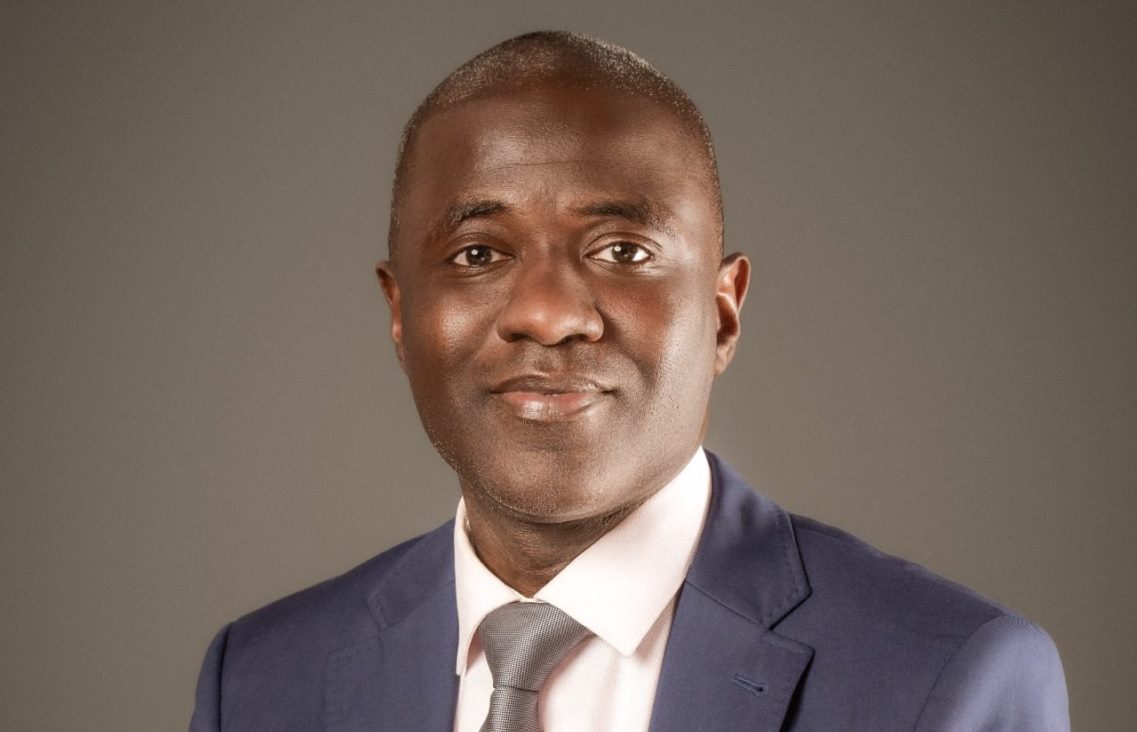
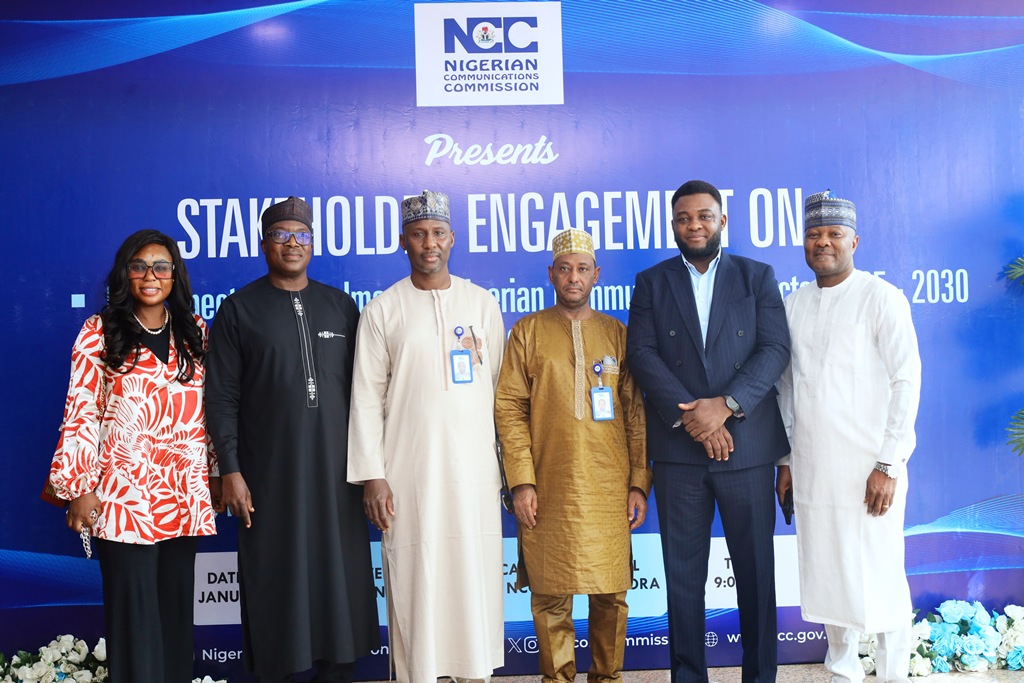
Dr. Aminu Maida, the executive vice chairman of the NCC, announced the roadmap on Monday at a stakeholders’ consultation forum in Abuja.
“Our national ambitions are growing. We want faster speeds, wider coverage, better service quality, stronger innovation, and greater inclusion. This roadmap provides a transparent and predictable regulatory environment that supports investment, encourages innovation, expands access, and improves service quality for all Nigerians.”
At first glance, spectrum policy may sound technical. But in reality, it is deeply human.
Why the Airwaves Matter
Every phone call, mobile transaction, emergency alert, and internet connection relies on spectrum.
When it is poorly planned, networks slow down, costs rise, and innovation stalls. When it is well-managed, economies grow, services expand, and people are connected, not just to the internet, but to opportunity.
Recognising this, the NCC’s roadmap is designed to move Nigeria from reactive spectrum management to strategic, future-ready planning.
Continuing, Dr. Maida said:
“Every video call, online classroom, digital transaction, and connected device in Nigeria depends on spectrum … With this roadmap, we are preparing the country to meet future data demands across homes, campuses, businesses, healthcare facilities, and public spaces.”
He said the initiative, alongside new guidelines for opening the lower 6GHz and 60GHz licence-exempt bands, would unlock additional capacity for high-speed and affordable broadband services across the country.
The Commission anticipates the explosive growth in data demand, the rollout of advanced wireless technologies, and the rising importance of satellite connectivity in bridging digital gaps.
This is about ensuring that Nigeria’s airwaves do not become congested bottlenecks, but open lanes for innovation and inclusion.
Building for Tomorrow, Not Just Today
The roadmap aligns Nigeria with global best practices, drawing from international standards and long-term spectrum planning models used by advanced digital economies. It provides clarity for investors, certainty for operators, and a structured path for deploying next-generation networks.
For telecom operators, it means predictability. For innovators, it means room to build.
For citizens, it means faster, more reliable, and more affordable connectivity.
From smart cities and e-government services to digital health, fintech, and remote education, the NCC’s plan recognises that Nigeria’s digital ambitions cannot run on yesterday’s infrastructure.
A Tool for Inclusion and Security
Beyond economic growth, the roadmap also speaks to national priorities around inclusion and security.
By planning spectrum use more efficiently, Nigeria can extend connectivity to underserved and rural areas, strengthen emergency communications, and support technologies critical to national safety.
In a country with a young, digital-hungry population, spectrum is not just a technical asset, it is a national resource that shapes access, equity, and resilience.
Ponder on these…
What the NCC has done is quietly powerful. It has taken something most Nigerians never see and turned it into a strategic foundation for the country’s digital future.
Atiku Lawal, head of Spectrum Administration, described the roadmap as more than a technical document “… [it] represents a strategic blueprint for driving Nigeria’s digital transformation.”
To Dr. Lola Fafore representing Huawei Nigeria: “The initiative would stimulate innovation, deepen broadband penetration, and make a significant contribution to national economic growth.”
The National Spectrum Roadmap is not merely a policy document; it is a signal, to investors, innovators, and citizens, that Nigeria is thinking ahead, planning deliberately, and preparing its digital highways for the demands of tomorrow.
In the race toward a connected economy, the future does not begin with devices or apps.
It begins in the air.
And Nigeria is getting ready.



