

ADVERTISEMENT
Wednesday, January 21, 2026
  • Login
Tech | Business | Economy
No Result
View All Result
NEWSLETTER
  • News
  • Tech
    • DisruptiveTECH
    • ConsumerTech
    • How To
    • TechTAINMENT
  • Business
    • BusinesSENSE For SMEs
    • Telecoms
    • Commerce & Mobility
    • Environment
    • Travel
    • StartUPs
      • Chidiverse
    • TE Insights
    • Security
  • Partners
  • Economy
    • Finance
    • Fintech
    • Digital Assets
    • Personal Finance
    • Insurance
  • Features
    • IndustryINFLUENCERS
    • Guest Writer
    • EventDIARY
    • Editorial
    • Appointment
    • Chidiverse
  • TECHECONOMY TV
  • Apply
  • TBS
  • Advertise
  • News
  • Tech
    • DisruptiveTECH
    • ConsumerTech
    • How To
    • TechTAINMENT
  • Business
    • BusinesSENSE For SMEs
    • Telecoms
    • Commerce & Mobility
    • Environment
    • Travel
    • StartUPs
      • Chidiverse
    • TE Insights
    • Security
  • Partners
  • Economy
    • Finance
    • Fintech
    • Digital Assets
    • Personal Finance
    • Insurance
  • Features
    • IndustryINFLUENCERS
    • Guest Writer
    • EventDIARY
    • Editorial
    • Appointment
    • Chidiverse
  • TECHECONOMY TV
  • Apply
  • TBS
  • Advertise
No Result
View All Result
Tech | Business | Economy
No Result
View All Result
  • News
  • Tech
  • Business
  • Partners
  • Economy
  • Features
  • TECHECONOMY TV
  • Apply
  • TBS
  • Advertise

Home » Report Links Growing Mental Health Crisis among Children to Use of Technology

Report Links Growing Mental Health Crisis among Children to Use of Technology

Most technology policy focuses on safety and harm reduction, not on promoting mental health and wellbeing. 

Peter Oluka by Peter Oluka
January 21, 2026
in News
Reading Time: 2 mins read
0
childhood mental health

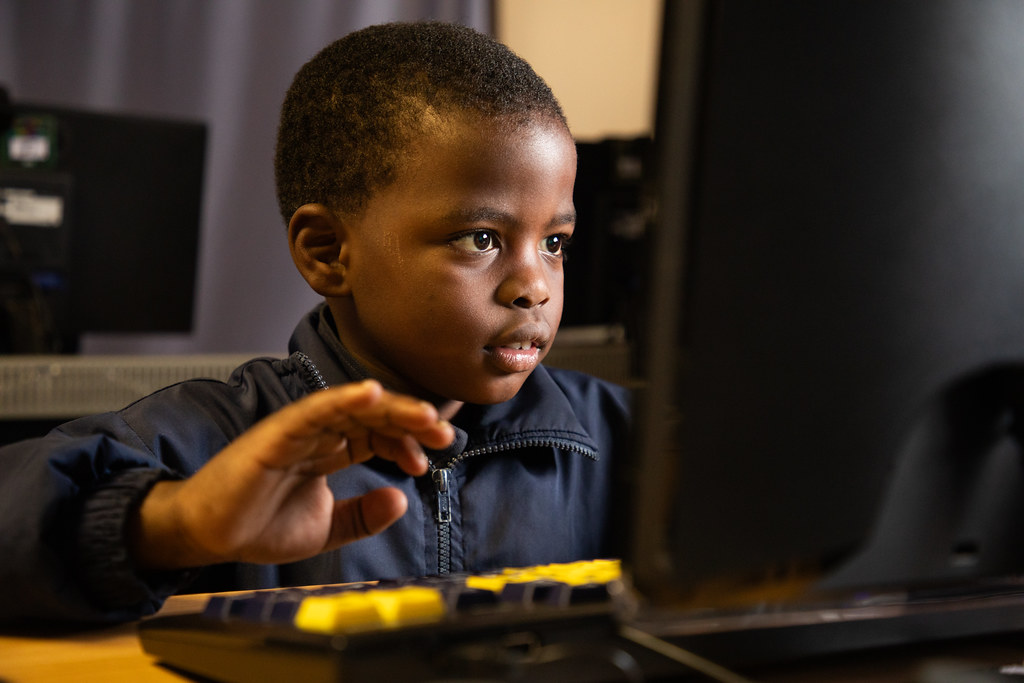
A child using digital tools

Quick Read:
  • Minimal evidence on younger children (under 12s) and lack of research for under 5s.
  • Huge missed opportunity for longitudinal data tracking mental health outcomes as technologies emerge.
  • Most technology policy focuses on safety and harm reduction, not on promoting mental health and wellbeing. 
  • Limited research on child screen use in the global south, despite being the fastest growing population segment. 
  • Need for research on impacts of parent’s technology use on children’s mental health.

The new child and youth mental health report sheds light on the scale of our global knowledge gaps on the correlation between childhood technology use and childhood mental health impacts. 

Over the past decade, mental health conditions in children and adolescents have seen a significant rise across all countries and incomes.

The World Health Organization estimates one in seven 10-19 year olds worldwide experience a mental disorder, and that a third of conditions emerge by age 14.

“It’s astonishing that we’re not doing more to understand this issue,” says Marija Manojlovic, executive director of Safe Online, who released the new findings at the World Economic Forum in Davos this week.

“We know that children’s technology use is increasing, and we’re past the point of no return. Technology is embedded into almost everything we do. But we don’t really know what the long-term impacts are for children and adolescents. Most research on the topic is speculative.

“Most shockingly – there are huge gaps in research on the impact for under-5s when we know children as young as 2 are using phones and tablets. At a time when governments, like the UK, are developing screentime guidelines for pre-schoolers and parents are seeking guidance on technology use – we must have better evidence to help navigate these critical issues.

“We know that mental health conditions for under-18s have been rising for a decade but we don’t have the longitudinal research to understand the relationship with digital technologies in depth. This is a particular area of interest for me,” says Marija Manojlovic.

Marija has a strong track record of raising funds for research and developing tools to help prevent thorny issues like these.

MTN New

As Executive Director, she has led Safe Online to raise and deploy over US$100m over the past 10 years for research and tools to prevent online child sexual abuse and exploitation, and she’s on track to do it again, this time with child mental health in mind.

Safe Online is launching Weave Wellbeing, a pioneering fund to mobilize the scale of financing needed to tackle this urgent issue. Marija has already secured US$2m seed funding from Iconiq Impact.


0Shares

stanbic
Previous Post

AI-driven Shopping | Privacy: What Retail and eCommerce Sector Should Expect in 2026

Next Post

Unlock the Links in the Digital Age

Peter Oluka

Peter Oluka

Peter Oluka (@peterolukai), editor of Techeconomy, is a multi-award winner practicing Journalist. Peter’s media practice cuts across Media Relations | Marketing| Advertising, other Communications interests. Contact: peter.oluka@techeconomy.ng

Next Post
links in the digital age

Unlock the Links in the Digital Age

Leave a Reply Cancel reply

Your email address will not be published. Required fields are marked *

I agree to the Terms & Conditions and Privacy Policy.

This site uses Akismet to reduce spam. Learn how your comment data is processed.

MTN New
UBA
Advertisements
  • About Us
  • Careers
  • Contact Us

© 2026 TECHECONOMY.

No Result
View All Result
  • Techeconomy
  • News
  • Technology
  • Business
  • Economy
  • Jobseeker
  • Advertise

© 2026 TECHECONOMY.

Welcome Back!

Login to your account below

Forgotten Password?

Retrieve your password

Please enter your username or email address to reset your password.

Log In
This website uses cookies. By continuing to use this website you are giving consent to cookies being used. Visit our Privacy and Cookie Policy.

