


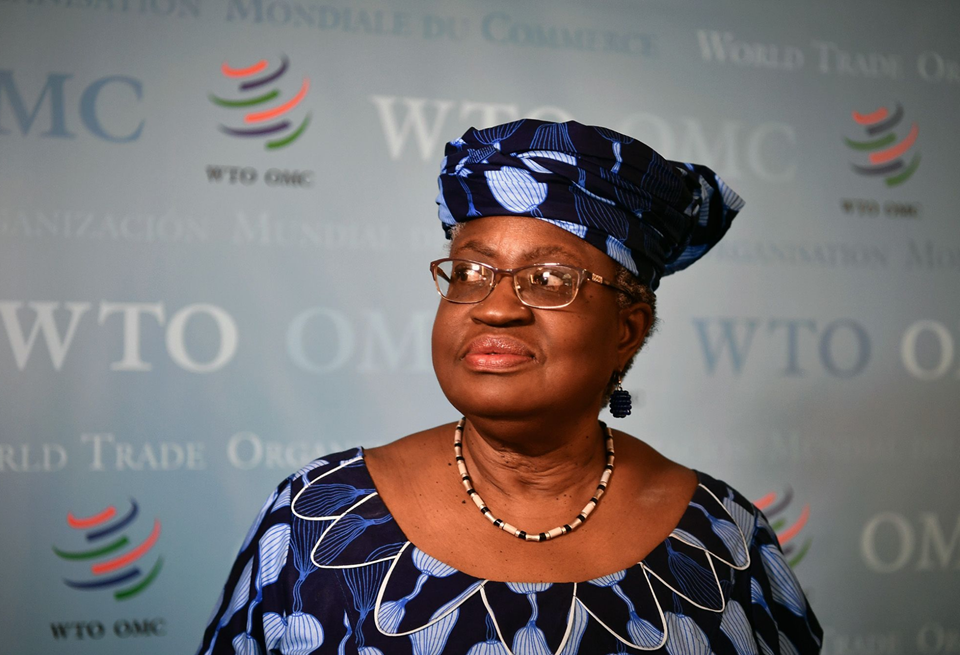
The Director-General of the World Trade Organisation, Dr. Ngozi Okonjo-Iweala, has advised the Nigerian government on critical steps to take to attract more investments into the country.
According to the DG, Nigeria has to shift its primary focus from economic stabilisation to job creation by attracting global investments that can open opportunities for the nation’s growing workforce.
She said targeting global investors for job growth and supply chain development would drive innovation, boost industrialisation, improve productivity, contribute to GDP growth, and increase Foreign Direct Investment (FDI) and Foreign Portfolio Investment (FPI) in the country.
The WTO DG made the remarks on Wednesday, January 21, 2026, during a fireside chat at the Nigeria House amid the ongoing World Economic Forum (WEF) in Davos.
“Some good reforms are being pursued right now, but they need to translate into job creation,” she said. “This is what I also told His Excellency, Mr President: we must move from stabilisation to creating jobs, because that is where we are currently lacking.”
Okonjo-Iweala emphasised that reforms take time to implement but stressed the importance of attracting investment into Nigeria.
“What I’d like to see is a continued effort to bring in investment because there’s a real opportunity now to strengthen supply chains,” she said.
“If there’s one thing I would prioritise, it is showing that Nigeria is a country worth investing in. We should have a deliberate strategy to attract investors, from China, the United Nations, or any other source, to come and invest in our country.”
She noted that as investors diversify their supply chains, many are moving away from China toward other parts of Asia and India. “We should aim to capture some of that. I’m not saying all of it, but a substantial portion.”
Okonjo-Iweala also highlighted opportunities in local manufacturing, particularly in renewable energy and fashion.
“We import solar panels, yet we have the capacity to produce them in Nigeria. The same goes for textiles. Many of the fabrics we wear today aren’t made in Nigeria. We should attract investment to manufacture these products locally.”
She added that pharmaceuticals also present a significant opportunity for investment and growth. “This is really my passion, and there’s a real chance to develop this sector here,” she said.



