
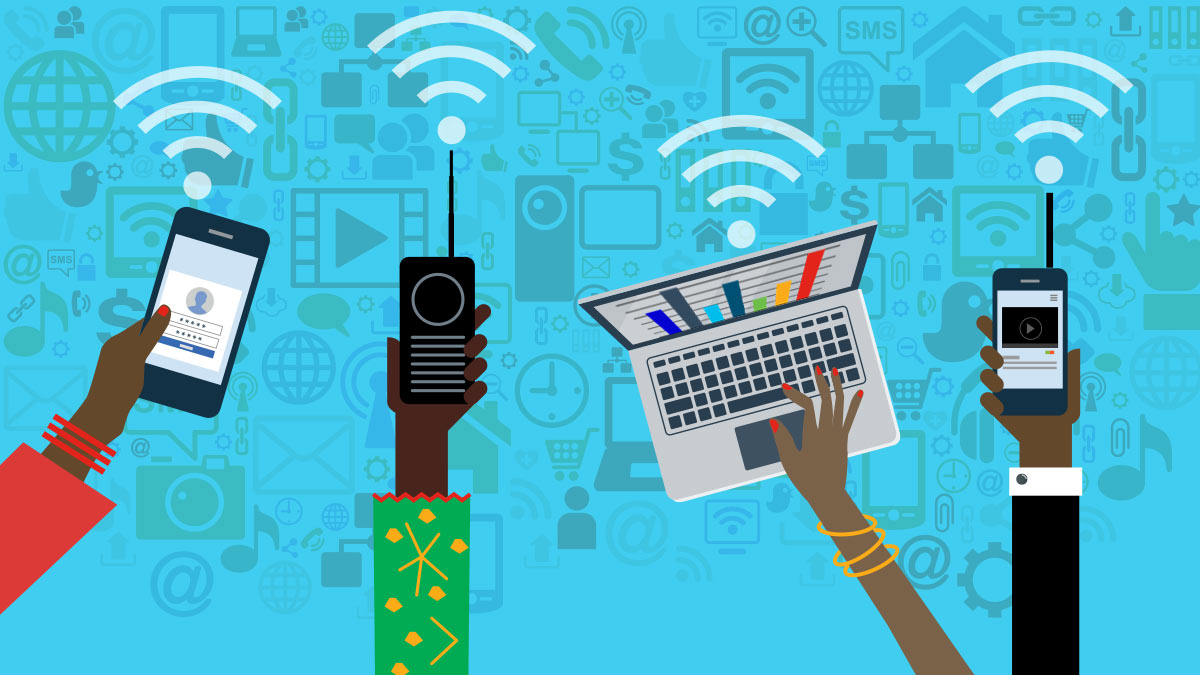
For many Nigerians, slow and unreliable internet is still a daily headache. Video calls freeze, online games lag, and loading times drag disrupting both productivity and entertainment.
These issues come from network congestion, limited infrastructure in many areas, and heavy reliance on mobile data that usually slows during peak hours.
But 2026 could make a difference. Nigeria is seeing a surge in fibre optic rollouts, a development that promises faster, more reliable internet across the country.
This development is not unique to Nigeria. Similar broadband expansion initiatives are gaining ground in other African markets such as Kenya and South Africa, where demand for stable, high-speed internet continues to rise very fast.
However, “faster internet” goes beyond just speed numbers. It points to a smoother online experience that supports everyday digital activities, from remote work to entertainment, and could fundamentally change how Nigerians connect and interact online.
Much of this progress is being driven by a mix of government programmes and private sector investment aimed at closing the country’s digital divide.
One of the key initiatives is Project BRIDGE, led by the Federal Ministry of Communications, Innovation and Digital Economy. The project targets the deployment of 90,000 kilometres of fibre infrastructure nationwide, supported by significant funding, including a $500 million World Bank facility.
With broadband penetration estimated at 48% as of late 2025, Nigeria aims to reach 70% by 2030, with fibre playing a central role.
As these networks expand, internet-dependent activities are expected to become smoother, setting the stage for a more connected urban, suburban and, eventually, rural Nigeria.
Understanding the Fibre Rollout
Fibre-optic internet transmits data as pulses of light through thin strands of glass or plastic, allowing for extremely fast and reliable communication. Unlike older copper-based systems, fibre can carry large volumes of data over long distances without performance loss.
Compared to 4G or 5G mobile networks, fibre delivers more consistent speeds, with fewer disruptions from weather or congestion. Traditional broadband options such as DSL, by contrast, tend to max out at much lower speeds.
In Nigeria, the rollout is being driven by major telecom operators including MTN, Airtel and Glo, alongside infrastructure providers and newer entrants such as Boost ISP, Fibre Sonic and Amazon Kuiper.
Projects like the 90,000-kilometre Project BRIDGE, partly funded through a $500 million World Bank loan and expected to begin delivery in early 2026, are also crucial to expanding nationwide coverage.
Progress, however, is uneven. Urban centres like Lagos and Abuja are seeing faster deployment, while suburban and rural areas continue to lag due to logistical and cost challenges, a pattern common in many developing markets where cities are prioritised first.
What Faster Fibre Means for Streaming in 2026
Better and wider fibre availability could significantly improve streaming adoption in Nigeria. Platforms such as Netflix, YouTube and local services like Showmax would be able to deliver smooth HD and 4K content with minimal buffering, even during peak evening hours.
More reliable connections could also encourage live streaming of concerts, sports and other events, strengthening the creator economy and allowing Nigerian filmmakers and content creators to reach global audiences more easily.
This aligns with broader expectations for growth in Nigeria’s digital economy in 2026.
Homes with multiple connected devices would experience fewer slowdowns, as fibre’s higher bandwidth can support simultaneous usage.
Similar transitions in countries like India have led to a surge in digital content creation, and Nigeria could see a comparable rise in locally produced media that promotes culture and storytelling.
What Faster Fibre Means for Gaming in 2026
For gamers, the biggest advantage of fibre is lower latency, the delay between a player’s action and the game’s response. Fibre networks can reduce latency to milliseconds, replacing frustrating lag with smoother gameplay.
This is especially important for competitive multiplayer titles such as Call of Duty and Fortnite, where split-second reactions matter. It also opens the door to cloud gaming services that stream high-end games without requiring expensive hardware.
In Nigeria, improved connectivity could help grow esports communities, with more tournaments and online leagues emerging in cities like Lagos. Local game developers may also benefit, as faster uploads and easier collaboration make global partnerships more feasible.
As connections stabilise, more African streamers are likely to build audiences on platforms like Twitch, turning gaming into a viable career path.
Advantages of Fibre for Remote Work and Digital Productivity in 2026
Remote work is expanding rapidly in Nigeria, but unreliable internet often disrupts video meetings and file sharing. Fibre connectivity could provide the stability needed for uninterrupted Zoom or Microsoft Teams sessions, reducing the dropouts that frustrate professionals.
For creatives, developers and media workers, faster upload speeds mean large files can be sent in minutes rather than hours, making collaboration with international clients far more efficient.
This reliability could also increase participation in global freelancing platforms such as Upwork, drawing more Nigerians into remote jobs and reshaping work culture amid rising living costs in major cities.
Experiences in countries like the Philippines suggest that better connectivity boosts productivity, and in Nigeria, it may help retain local talent by making remote work viable even outside major hubs.
The Real Challenges Holding Fibre Back
Despite the optimism, rolling out fibre infrastructure is far from simple. High deployment costs, including trenching and securing rights-of-way, slow progress, particularly in densely populated areas.
Power supply is another challenge, as fibre equipment requires stable electricity, often necessitating costly backup systems. Maintenance is also a concern, with vandalism and theft leading to thousands of fibre cuts each year. MTN alone reported more than 9,200 fibre cuts in 2025.
Affordability is a barrier, especially for lower-income households, while last-mile connections to homes in rural or informal settlements are often unreliable. These challenges reflect broader issues faced by emerging markets trying to balance expansion with equitable access.
What to Expect Next: Is 2026 the Breakthrough Year?
In the short term, 2026 could bring visible improvements as the initial phases of Project BRIDGE begin rolling out from the first quarter of the year. Over time, the impact is expected to grow as networks mature and support more advanced digital services.
Fibre will also operate alongside other technologies. It will complement 5G for mobile connectivity and satellite options such as Starlink and Amazon Kuiper for hard-to-reach areas, creating a hybrid connectivity ecosystem.
Consumers are likely to benefit from increased competition among internet service providers, making it important to watch for transparent pricing, reliable service levels and bundled offerings. As seen in other markets, stronger infrastructure usually leads to better value and improved service quality.
Conclusion
Fibre rollout is a powerful enabler for Nigeria’s digital ambitions, especially the 2030 digital economy plan, promising smoother streaming, immersive gaming, and productive remote work.
But fibre is not an omnipotent solution; success is still based on other factors such as smart policies, fair pricing, and widespread access to truly unlock its potential.
In the bigger picture, this could propel Nigeria toward a thriving digital economy, blending local innovation with global connectivity, and making 2026 an important year for what is next.