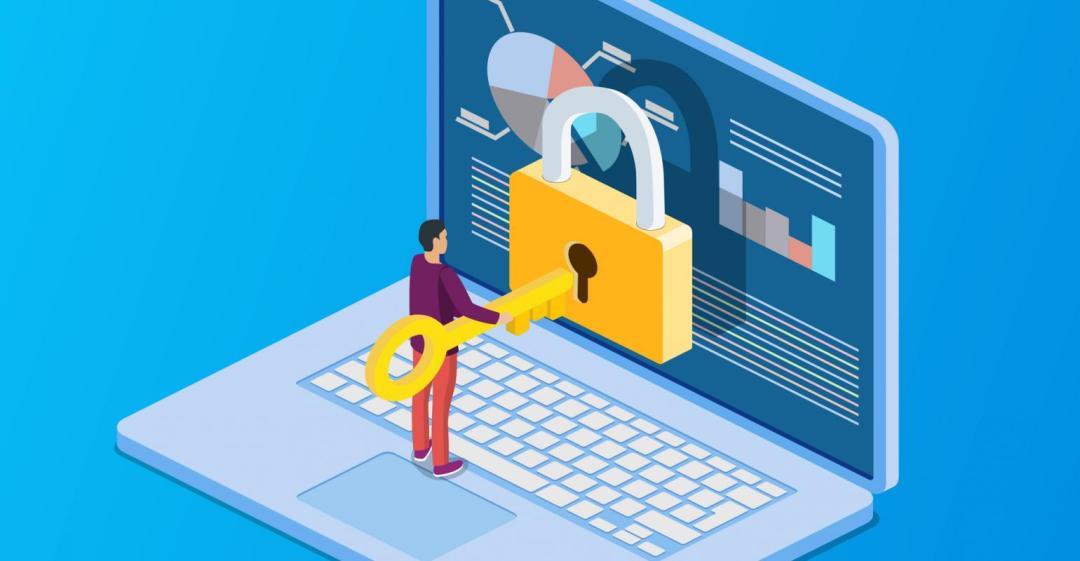
As the world marks Data Privacy Day 2026, the global conversation around digital rights, surveillance, and personal data protection has reached a critical inflection point.
At the heart of this conversation lies encryption, a technology that has moved from being a niche cybersecurity tool to a foundational pillar of trust in the digital economy.
From messaging platforms like WhatsApp, Signal, and Telegram to cloud services and enterprise systems, encryption is increasingly shaping how individuals, businesses, and governments think about privacy, consent, and control over data.
Encryption as the New Digital Shield
End-to-end encryption (E2EE) ensures that only the sender and intended recipient of a message or data can access its contents. Even service providers themselves cannot decrypt the information.
Platforms such as WhatsApp, which serves over two billion users globally, have made E2EE a default feature, fundamentally altering expectations around digital communication privacy.
This shift comes at a time when cybercrime, mass surveillance, and data breaches have become both more sophisticated and more frequent. Encryption now stands as a counterweight—protecting users from identity theft, corporate espionage, unlawful surveillance, and data misuse.
Europe’s GDPR and the Encryption Imperative
In the European Union, the General Data Protection Regulation (GDPR) has played a defining role in embedding privacy into digital governance. GDPR mandates strict safeguards around personal data, including principles such as data minimisation, consent, and security-by-design, principles that naturally align with encryption technologies.
However, encryption remains contested. Policy debates such as the EU’s proposed Chat Control legislation have raised concerns among privacy advocates who warn that weakening encryption through “lawful access” or backdoors could expose citizens to abuse and systemic vulnerabilities.

Commenting on this tension, Chester Wisniewski, director, Global Field CISO at Sophos, underscored the enduring importance of encryption:
“As we mark this year’s Data Privacy Day in the EU, it is important to remember the importance of encryption in securing our information from unwanted spying and privacy violations. We are now neData Privacy Day 2026, the message is clear: strong encryptionarly 13 years past the release of Ed Snowden’s NSA leaks and we are still fighting to keep end-to-end encryption, most recently in the battle over Chat Control.”
Wisniewski warned against the illusion of controlled access:
“Having backdoors and a policy of authorized access doesn’t work. We have seen numerous American tech companies fooled by cybercrime groups like LAPSUS$ and Scattered Spider who have impersonated law enforcement agencies to gain ‘lawful access’ to people’s personal information.”
According to him, encryption flips power dynamics back in favour of users:
“Encryption allows us to share what we want, when we want, with whomever we want. By starting from a position with the user in control, they are empowered to share safely and with consent.”
Nigeria’s Data Protection Journey: NDPC and Local Enforcement
Nigeria’s data protection ecosystem has also matured significantly. The establishment of the Nigeria Data Protection Commission (NDPC) and the enactment of the Nigeria Data Protection Act (NDPA) have signalled a stronger regulatory commitment to safeguarding citizens’ data.

Dr. Vincent Olatunji, the national commissioner of the NDPC, has consistently emphasised that data privacy is not optional but a fundamental right, stressing the need for organisations to embed privacy and security into their systems from design stage.
He has also warned that poor data handling practices expose Nigerians to financial fraud, identity theft, and reputational harm, especially in an increasingly digital economy.
Encryption, within this context, is fast becoming a compliance and trust requirement rather than a technical afterthought.
FCCPC, Loan Apps, and the Cost of Data Abuse
Recent enforcement actions by the Federal Competition and Consumer Protection Commission (FCCPC) against digital loan applications further highlight the real-world consequences of weak data protection practices.
Several loan apps were sanctioned for harvesting users’ contacts, photos, and messages, and using them for harassment and coercion. These practices exposed how unencrypted data storage and unchecked access can easily become tools for abuse, turning personal data into a weapon against vulnerable consumers.
The crackdown reinforced a critical lesson: data privacy failures are not abstract policy issues, they have human, social, and economic costs.
What Data Privacy Day 2026 Demands
As Wisniewski aptly noted, Data Privacy Day should prompt users and organisations alike to reassess the platforms they rely on:
“Data Privacy Day is a good time to review the applications and platforms you use for storing data, communications, and social media to determine whether they are a safe and secure choice moving forward.”
For governments, the challenge is to balance national security interests without undermining encryption. For businesses, it is about earning trust through responsible data stewardship. And for citizens, it is about awareness, understanding that privacy is something to be actively protected, not passively assumed.
Encryption as a Trust Infrastructure
In 2026, encryption is no longer just about secrecy, it is about consent, dignity, and control in the digital age. As economies digitise and societies become more connected, encryption will continue to define who holds power over data, and how safely that power is exercised.
On this Data Privacy Day 2026, the message is clear: strong encryption is not the problem; it is part of the solution.