
Nigeria is once again on the brink of making a familiar and costly mistake. While the ongoing Lagos–Calabar Coastal Highway and Lagos–Sokoto Road projects are being presented as transformative, their current framing, focused on travel time reduction and job creation, is excellent, but profoundly insufficient.
Nigeria does not merely suffer from a shortage of roads; it suffers from a failure to transform roads into economic systems.
Too often, we build highways that merely move people faster through poverty, rather than out of it. A simple trip via railroad between Lagos and Ibadan is enough to illustrate this.
Unless redesigned as economic corridors, these projects risk joining the long list of underperforming infrastructure.
The Morocco Lesson
In Morocco, highways are not isolated strips of asphalt. They are conceived alongside agricultural zones, agro-processing parks, logistics hubs, and export terminals. Roads there do not merely connect cities; they connect production to global markets.
Nigeria must learn this lesson urgently. The coastal and northern corridors pass through some of the country’s most fertile zones.
Without a coordinated strategy, this land will remain idle or chaotically developed a historic national failure.
A Framework for Economic Corridors
The Federal Government and corridor states must immediately adopt a framework anchored on five strategic pillars:
- Land Banking and Coordinated Land Use
States must jointly secure and zone land for agriculture, processing, and commerce. Without proactive zoning, land speculation will stifle productivity before the first vehicle completes its journey. - Large-Scale, Climate-Appropriate Agriculture
The Lagos–Calabar corridor is a goldmine for rice, cassava, oil palm, aquaculture, and horticulture. With irrigation and mechanization, these corridors can transform farming into an industrial, export-ready powerhouse. - Agro-Processing and Value Addition
Farms alone do not build economies. Processing zones; rice mills, ethanol plants, cold-storage facilities, must be embedded directly within production clusters.
This is where jobs multiply, incomes rise, and value is captured locally.
- Logistics and Export Integration
Highways must connect seamlessly to seaports, inland container depots, and export processing zones. If goods cannot move efficiently from factory to port, production stalls at the farm gate. - Planned Settlements and Human Capital
New towns anchored to these hubs will create livable, productive urban centers. This approach eases the catastrophic pressure on Lagos while developing northern and coastal belts sustainably.
Building Fibre Optic Ducts Along Road Corridors
Modern economic corridors require more than just physical transport. Fibre optic connectivity must be integrated along these highways, creating a digital backbone that supports commerce, finance, e-government, and education.
Ducting fibre optic cables during road construction is exponentially cheaper than retrofitting later.
High-speed internet along these corridors will enable:
- Digital marketplaces for agricultural and manufactured goods
- Smart logistics and real-time supply chain management
- Remote education and skills development
- E-health and telemedicine for rural communities
- Innovation hubs and digital startups
By combining transport and connectivity infrastructure, Nigeria can turn Lagos-Calabar and Lagos-Sokoto highways into corridors of both physical and digital commerce, amplifying economic impact far beyond asphalt and concrete.
The Bottomline:
Infrastructure alone does not change nations; what nations choose to build around that infrastructure does.
The success of the Lagos–Calabar and Lagos–Sokoto projects should not be judged by how fast cars move on them in 2027.
Instead, they should be judged by what Nigeria chooses to grow, process, and trade along them. We have a narrow window to ensure these roads become the economic arteries of a new Nigeria.
Let us build more than a road. Let us build an economy.
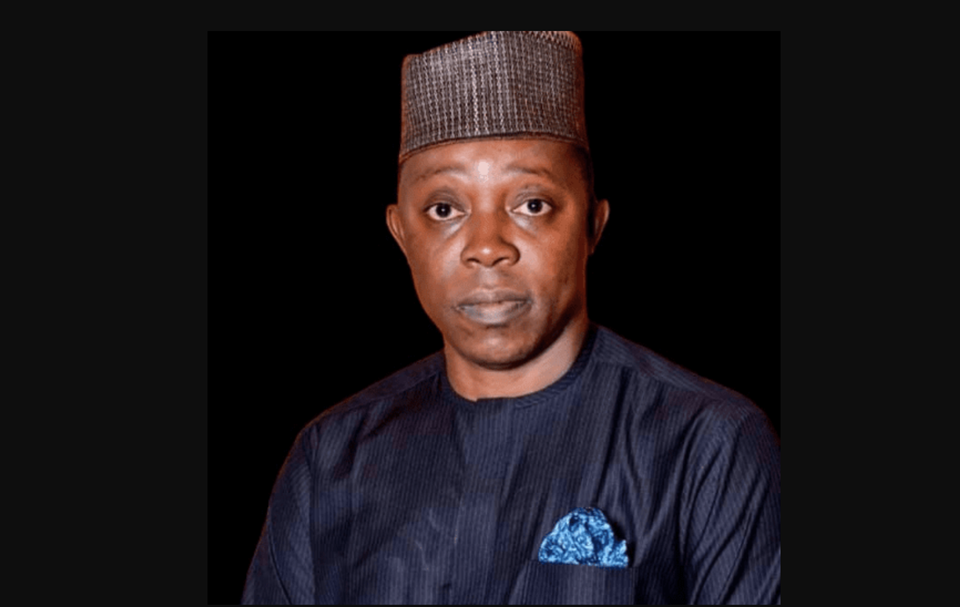
Sola Fanawopo is a Nigerian sports administrator, entrepreneur, and the current Chairman of the Osun State Football Association (Osun FA).