
In Nigeria, a normal workday or an intense gaming session can be cut short by another sudden power outage from the national grid.
These outages are common and usually last for hours, sometimes days, disrupting both productivity and leisure.
Home offices and gamers feel the impact more than most users because their work or play depends on steady, uninterrupted power.
Remote workers risk losing files, missing deadlines, or dropping out of meetings, while gamers deal with corrupted data, lost progress, and abrupt shutdowns during peak play time.
The poor state of Nigeria’s power distribution system has pushed many people to ask whether there is a reliable alternative.
One question that keeps coming up is whether solar power, a commendable renewable energy, has improved enough to handle needs, especially now that the technology is better and prices have dropped in recent years.
Why Power Issues Hit Gamers and Remote Workers Harder
Nigeria’s power problems do not affect everyone in the same way. For people working from home, an outage can mean a disrupted virtual meeting, unsaved work, or delayed delivery that hurts professional credibility.
This matters even more now that many Nigerians rely on remote and freelance jobs with international clients. These roles often pay better, but they also demand reliability. Poor power supply creates real risks to income and career growth.
Gamers face a different set of problems. Sudden power cuts can damage sensitive equipment like gaming PCs, consoles, and routers. Over time, these shutdowns can affect hardware lifespan and lead to data loss.
Both groups need clean and stable power, something fuel generators struggle to provide consistently. While generators were once the go-to backup option, rising fuel costs, noise, frequent maintenance, and fumes make them unsuitable for quiet home environments or long hours of use.
Solar Has Changed, Even If Many People Have Not Noticed
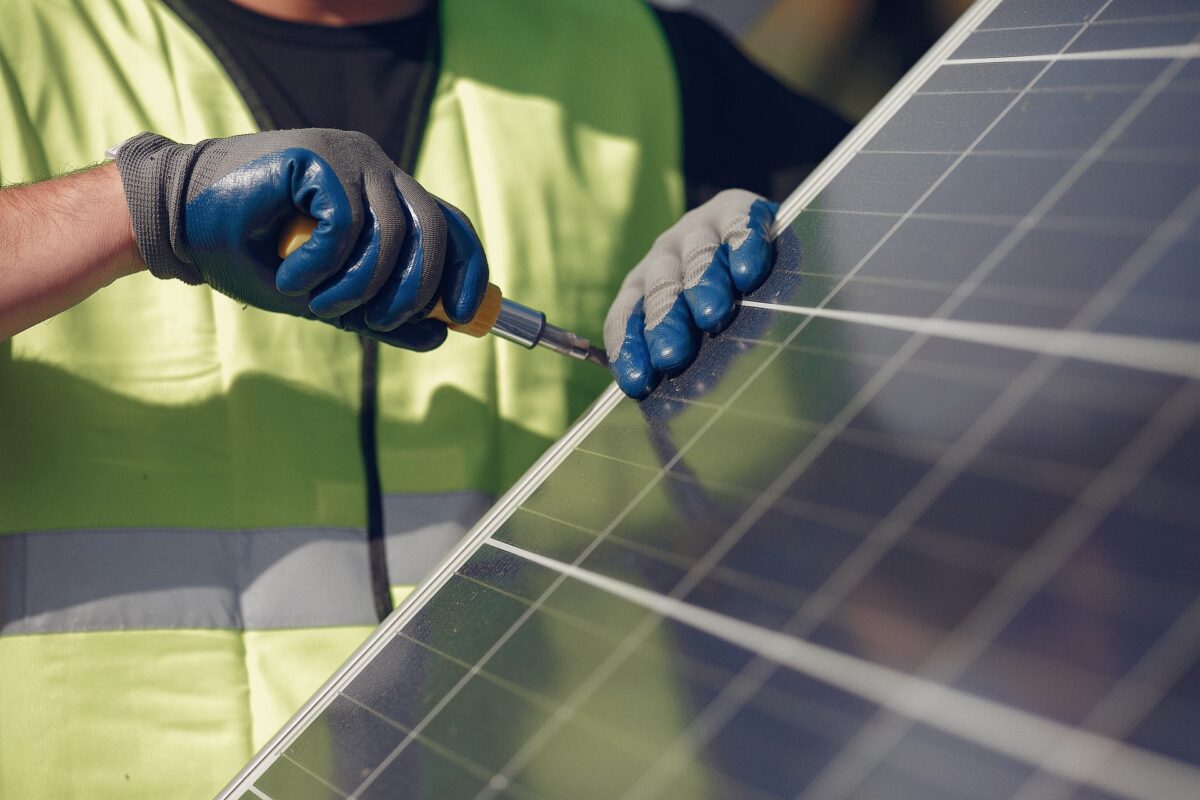
Solar power used to be seen as an expensive option that could only support basic lighting and fans. That picture is outdated. Modern solar systems now include more efficient panels, stronger inverters, and advanced batteries, including lithium-ion options that store energy for nighttime use or long outages.
Hybrid inverters can switch smoothly between solar, battery, and grid power. Many systems also allow users to monitor performance through mobile apps. With Nigeria’s strong sunlight, especially in the northern regions, these upgrades make solar useful beyond basic household needs.
Solar systems can now support computers, monitors, and other power-hungry devices. In many cases, users recover their investment within three to five years through reduced grid bills and lower generator fuel costs.
What Solar Systems Can Actually Handle
A modest solar setup can comfortably power essential home office equipment at the same time. This includes a laptop, one or two monitors, a router, and a fan, with total usage of about 150 to 300 watts. With a system of 1 to 3 kW and battery storage, this setup can run for several hours during outages.
Gaming setups vary more. Consoles like the PlayStation 5 or Xbox typically draw between 300 and 450 watts during heavy use, which mid-sized solar systems can handle.
High-end gaming PCs, however, can pull 300 to 500 watts or more, depending on the graphics card and processor.
Light or short gaming sessions are possible with smaller systems, but longer sessions or demanding setups require larger panel capacity, usually 3 to 5 kW, along with strong battery storage. Monitors also add to the load, though modern LED screens use far less power than older models.
In Nigeria, entry-level solar kits currently cost between ₦500,000 and ₦1.5 million, depending on size and components.
Is Solar the Fix or Just a Better Backup?
Compared with other alternatives to the national grid, solar power offers quiet, reliable energy without fuel worries. It keeps meetings running, devices powered, and games uninterrupted, especially in Nigeria’s sunny climate and as equipment prices continue to fall.
That said, solar is not always a full replacement. High power demands, such as heavy gaming rigs or multiple appliances running at once, may still require a hybrid setup or backup from the grid or generator during bad weather or peak usage.
For now, solar works best as a strong primary or backup option. It reduces dependence on unreliable grid power and costly generators while providing clean and steady energy for work and entertainment.
Solar is more than enough for most home offices and moderate gaming setups. For very high-end use, it performs best when combined with other power sources.
Ultimately, solar power has grown into a practical response to Nigeria’s electricity challenges, offering more stability and long-term savings than before.