Nigeria’s Inflation Drops to 15% in January 2026
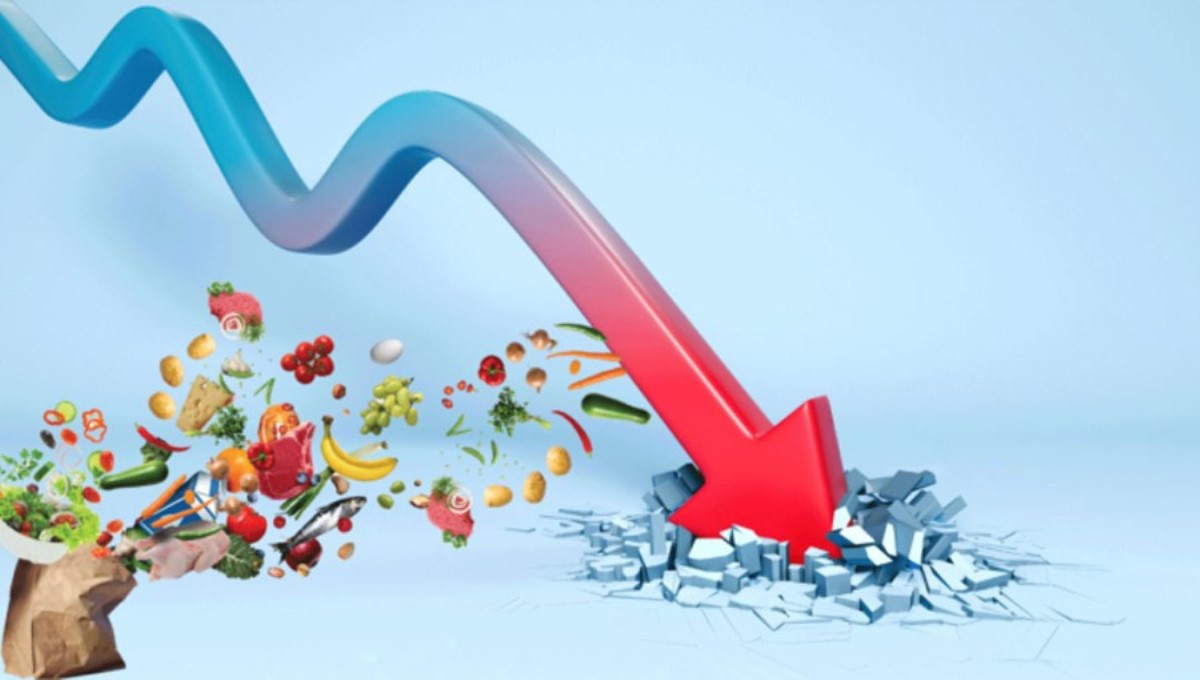
In a country where everything only goes up, the National Bureau of Statistics (NBS) just dropped a report that feels like a glitch in the simulation.
Nigeria’s headline inflation has eased to 15.01% in January 2026, down from the 15.15% recorded in December and a massive cliff-dive from the 27.61% seen in January 2025.
For the first time in a long while, the month-on-month data showed a sharp reversal: a -2.88% growth rate.
In simple terms, prices actually took a slight step back in January compared to the December festive peak.
The Food Hack: Why Your Jollof Might (Slightly) Cheaper
The real MVP of this report is food inflation. It slowed down to 8.89% year-on-year, a dramatic drop from the nearly 30% seen a year ago.
According to the NBS, the cooling effect came from lower average prices for staples like:
- Proteins & Oils: Eggs, groundnut oil, and palm oil.
- Grains & Tubers: Maize, beans, and cassava tubers.
On a monthly basis, food prices crashed by 6.02%. While this is a win for the average Nigerian’s wallet, it’s worth noting that the “12-month average” still sits at a high 21.97%, meaning the long-term pain hasn’t fully evaporated yet.
Urban vs. Rural: The Geography of Inflation
The cost of living remains a tale of two Nigerias:
The Urban Jungle: Inflation in cities like Lagos and Abuja hit 15.36%. City dwellers are still feeling the heat of logistics and energy costs.
The Rural Calm: Rural inflation was lower at 14.44%, thanks to proximity to farm gates and a steeper month-on-month price drop (-3.29%).
The State Heatmap: Benue is Hot, Ebonyi is Chill
Inflation in Nigeria isn’t a monolith; it’s a postcode lottery.
Highest Pressure: Benue (22.48%), Kogi (20.98%), and Abuja (19.25%) are currently the most expensive places to exist.
Lowest Pressure: Ebonyi (8.72%) and Katsina (8.94%) have somehow managed to keep prices in the single digits.
The Techeconomy Take:
On paper, the 12.51 percentage point drop from last year is a massive policy win for the Central Bank and the fiscal authorities.
It suggests that the aggressive interest rate hikes and tight money strategies we saw throughout 2025 are finally hard-coding some stability into the market.
However, Core Inflation, which strips out volatile food and energy, is still stubborn at 17.72%.
This indicates that while tomatoes might be cheaper today, the cost of services, manufactured goods, and everything else tied to the exchange rate is still sticky.
Nigeria isn’t out of the woods yet, but for the first time in years, the CPI report isn’t a horror story.
The challenge now is making sure this ease in inflation translates to actual ease for the 148 million subscribers and millions of households trying to survive the 2026 economy.