How Stanbic IBTC is Financing Real Estate Projects Beyond Lagos Megacity
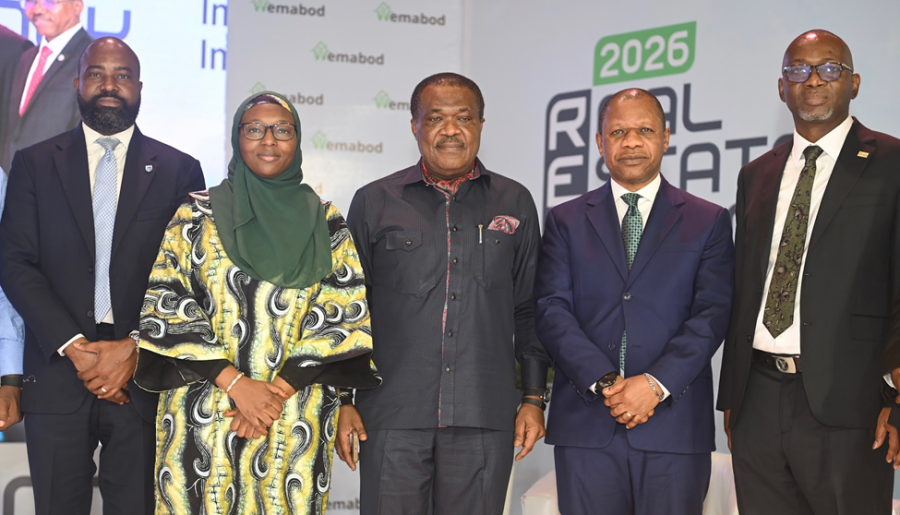
In the Nigerian tech ecosystem, we talk about scaling software. But at the 2026 Wemabod Real Estate Outlook Conference, the conversation was about scaling something much more tangible: roofs over heads.
With over 1,800 stakeholders gathered under the theme “Unlocking land and infrastructure for inclusive housing,” the event served as a high-level sync between policymakers and the big banks.
Leading the charge was Stanbic IBTC, positioning itself as the financial layer for Nigeria’s next urban upgrade.
The Strategy: From Congestion to Corridors
The keynote from Bashir Oladunni, CEO of Wemabod, set the tone: Nigeria needs a system restart on urban planning.
The goal is to move the population from overcrowded urban centers to meticulously planned regional corridors.
But you can’t build a corridor without a massive CapEx injection. This is where Stanbic IBTC comes in.
The CEO’s Take: Housing as an Asset Class
Wole Adeniyi, chief executive of Stanbic IBTC Bank, didn’t just talk about mortgages; he talked about dignity and value.
“Sustainable growth is impossible without inclusive assets,” Adeniyi noted during a fireside chat. “Inclusive housing cannot be achieved without purposefully unlocking land and aligning infrastructure from the outset.”
In Techeconomy terms: Land is the hardware, infrastructure is the operating system, and capital is the power source.
Stanbic is betting that by aligning these three, they can deliver housing solutions that offer long-term ROI for both the bank and the citizen.
Collaboration as a Multi-Player Game
Tola Akinhanmi, head of Real Estate Finance at Stanbic IBTC Capital, highlighted that the housing deficit is a boss level too large for any single player to beat.
The bank’s thesis for 2026 is built on Intentional Cooperation, a multi-stakeholder API involving government, private developers, and regional financiers.
The focus is on creating scalable projects that aren’t just one-off luxury apartments but inclusive developments that align with regional economic priorities.
As Nigeria’s population continues to surge, the demand for housing is the ultimate addressable market.
Stanbic IBTC’s heavy presence at the Wemabod summit suggests the bank is looking beyond traditional corporate banking to become the primary architect of Nigeria’s real estate financing.
If they can successfully bridge the gap between policy, capital, and execution, they won’t just be financing buildings; they’ll be financing the physical infrastructure of the $1 trillion economy.
For a bank that prides itself on IT-driven solutions, this is the ultimate real-world application.