Blockchain: First Trustees and Isa Pantami Call for Tech-Driven Islamic Estate Planning
In Nigeria’s financial circles, wealth transfer is often a polite term for what can become a messy, multi-year legal battle.
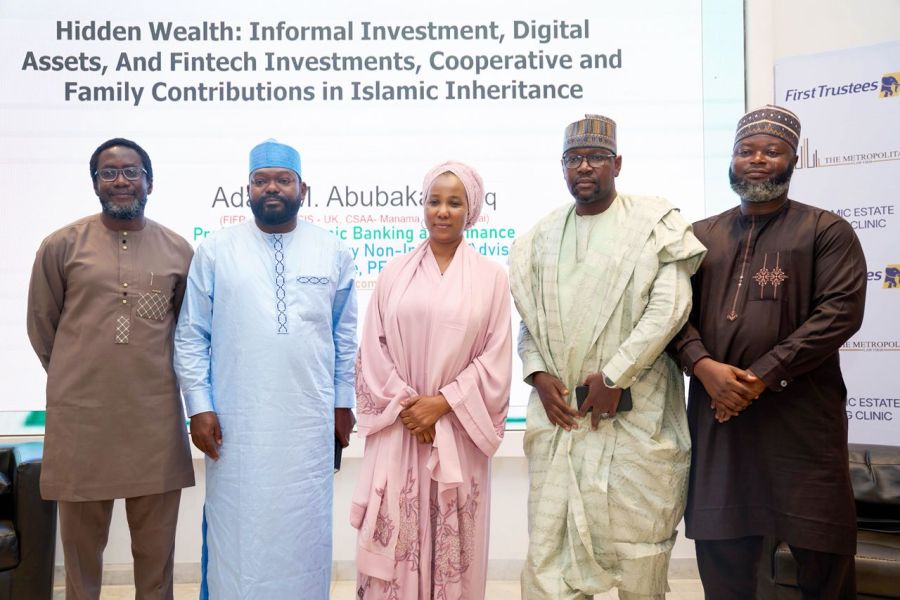
To fix this, First Trustees Limited, a subsidiary of FBN Holdings, partnered with The Metropolitan Law Firm and Al-Ameen Trustees to host the 8th Annual Islamic Estate Planning Clinic in Abuja.
The goal? Moving Nigerian families from informal verbal promises to structured, Sharia-compliant frameworks that leverage 21st-century technology.
The Problem: The Risk of Informality
The forum, themed “From Informality to Legacy: Structuring Islamic Wealth Transfer,” highlighted a systemic vulnerability in how many Muslim families manage assets.
In the absence of formal documentation, even the most successful business empires can crumble into family discord upon the death of a patriarch or matriarch.
Rotimi Obende, representing the managing director of First Trustees Limited, described estate planning as a “sacred duty” and an act of stewardship.
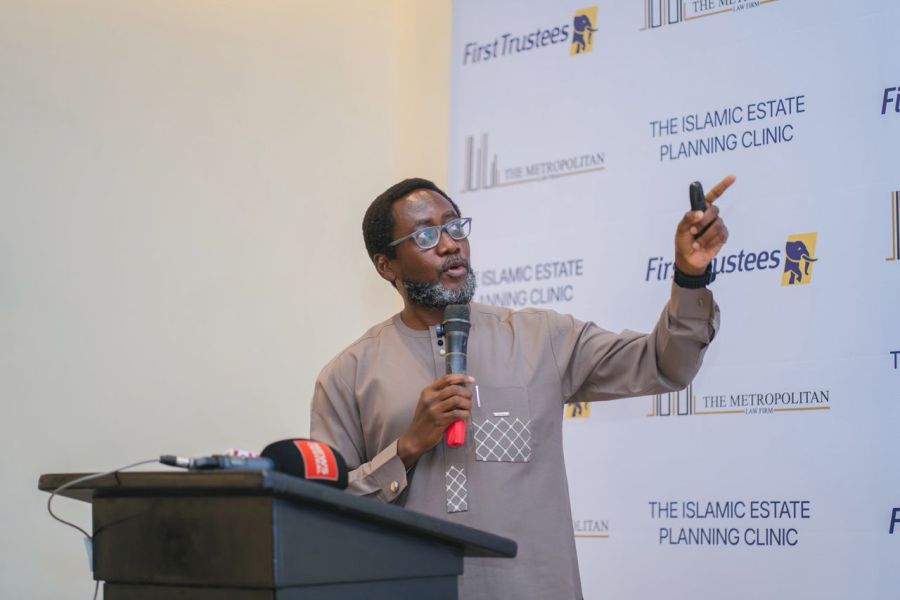
“Informal arrangements expose families to avoidable risks. Structured, Sharia-compliant plans provide clarity, transparency, and true generational protection,” Obende noted, emphasizing that regulated trustees are the essential “middleware” ensuring accountability in the execution of wills.
The Tech Angle: Blockchain for Wills
In a move that aligns traditional religious principles with the Fourth Industrial Revolution, keynote speaker Professor Isa Ali Pantami, the former minister of Communications and Digital Economy, urged a digital-first approach to inheritance.
Pantami warned against the verbal promise culture, which he noted frequently leads to asset loss. His solution? Integration of blockchain technology.
By using blockchain to store wills and estate documents, families can ensure that intentions are immutable, secure, and easily accessible, bridging the gap between ancient Shari’ah principles and cutting-edge innovation.
The “One-Third” Rule and Diverse Assets
Ummahani Amin, managing partner at The Metropolitan Law Firm, pointed out a common misconception about Islamic inheritance.
While Sharia provides a fixed structure, it also offers flexibility: individuals can allocate up to one-third of their estate to specific causes or individuals through properly documented wills (Wasiyyah) and trusts.
As assets become more complex, ranging from digital holdings and crypto-assets to cross-border investments, the consensus at the clinic was clear: the informal handshake deal is no longer a viable security protocol.
The Bottom Line
For First Trustees and its partners, the 2026 outlook for estate planning is about legal certainty and tax efficiency.
By formalizing Islamic inheritance, Nigerian families aren’t just following religious tenets; they are securing the dry powder of the economy, capital, and ensuring it stays productive across generations rather than being tied up in litigation.
Techeconomy Analysis: This push by First Trustees signifies an expanding niche in the Nigerian wealth management market.
As the $1 trillion economy grows, Legacy Tech, the intersection of legal frameworks and digital storage for estate planning, is set to become a critical service for Nigeria’s high-net-worth individuals and the burgeoning middle class.