ADVERTISEMENT
Friday, February 27, 2026
  • Login
Tech | Business | Economy
No Result
View All Result
NEWSLETTER
  • News
  • Tech
    • DisruptiveTECH
    • ConsumerTech
    • How To
    • TechTAINMENT
  • Business
    • BUSINESS SENSE FOR SMEs
    • Telecoms
    • Commerce & Mobility
    • Environment
    • Travel
    • StartUPs
      • Chidiverse
    • TE Insights
    • Security
  • Partners
  • Economy
    • Finance
    • Fintech
    • Digital Assets
    • Personal Finance
    • Insurance
  • Features
    • IndustryINFLUENCERS
    • Guest Writer
    • EventDIARY
    • Editorial
    • Appointment
    • Chidiverse
  • TECHECONOMY TV
  • Apply
  • TBS
  • Advertise
  • News
  • Tech
    • DisruptiveTECH
    • ConsumerTech
    • How To
    • TechTAINMENT
  • Business
    • BUSINESS SENSE FOR SMEs
    • Telecoms
    • Commerce & Mobility
    • Environment
    • Travel
    • StartUPs
      • Chidiverse
    • TE Insights
    • Security
  • Partners
  • Economy
    • Finance
    • Fintech
    • Digital Assets
    • Personal Finance
    • Insurance
  • Features
    • IndustryINFLUENCERS
    • Guest Writer
    • EventDIARY
    • Editorial
    • Appointment
    • Chidiverse
  • TECHECONOMY TV
  • Apply
  • TBS
  • Advertise
No Result
View All Result
Tech | Business | Economy
No Result
View All Result
  • News
  • Tech
  • Business
  • Partners
  • Economy
  • Features
  • TECHECONOMY TV
  • Apply
  • TBS
  • Advertise

Home » Gas Supply Drops to 43% as NISO Rations Power, Grid Output Stalls at 4,300MW

Gas Supply Drops to 43% as NISO Rations Power, Grid Output Stalls at 4,300MW

By: Chris Emenike

Techeconomy by Techeconomy
February 27, 2026
in Finance
Reading Time: 3 mins read
0
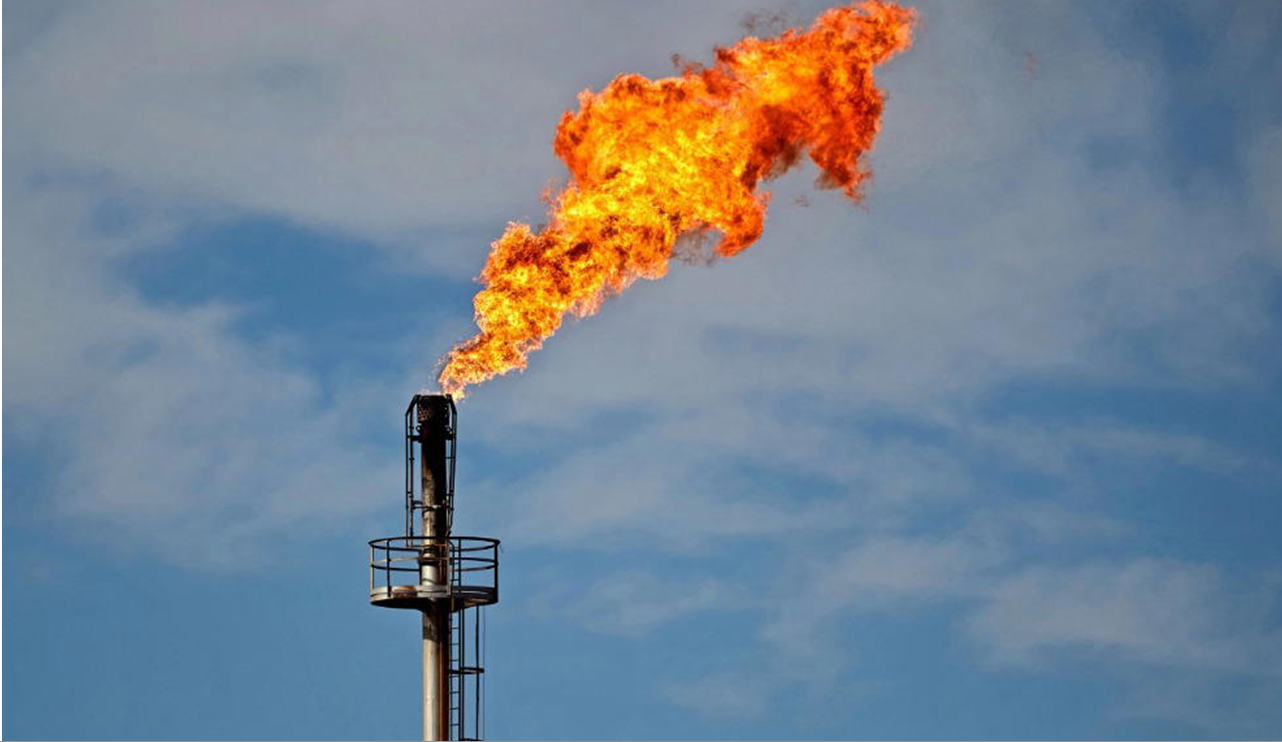
gas flaring

gas flaring

The Nigerian Independent System Operator (NISO) has revealed that the country’s electricity distribution companies (DisCos) are currently receiving a drastically reduced load.

The reason is that Nigeria’s power plants are operating below their optimal capacity due to gas supply gaps.

In a market update released on Friday, February 27, 2026, the operator revealed that the national grid is currently struggling to maintain an average output of 4,300MW.

For a country of over 200 million people, this generation level is critically low, and NISO says it is tied directly to a massive shortage of gas supply to thermal power stations.

The Math of the Blackout: 57% Gas Shortfall

The statistics provided by NISO paint a worrying picture for the power sector. To operate at a level that keeps the country stable, Nigeria’s thermal power plants require an estimated 1,629.75 million standard cubic feet (mmscf) of gas every day.

Subscribe to our Telegram channel for the latest updates.

Follow the latest developments with instant alerts on breaking news, top stories, and trending headlines.

Join Channel

However, as of February 23, 2026, the actual volume of gas reaching these plants was just 692 mmscf.

“The available gas supply represents less than 43% of the required volume, resulting in constrained generation output,” the NISO statement noted.

Because thermal plants form the backbone of Nigeria’s energy generation, any hiccup in the gas pipelines leads to an immediate ripple effect across the entire value chain. Essentially, if there is no gas to burn, there is no electricity to transmit.

 Load Shedding: Keeping the Grid from Total Collapse

To prevent a total national grid collapse, an event that usually plunges the entire country into total darkness for hours or days, NISO has had to implement aggressive load shedding.

This is a technical way of saying they are rationing the little power they have. The operator explained that it is distributing the available 4,300MW strictly according to the NERC Multi-Year Tariff Order (MYTO) allocation percentages.

MTN New

If your local DisCo is allocated a certain slice of the national pie, they are currently getting that slice of a much smaller pie.

“When total system generation drops significantly, the Independent System Operator must implement load shedding across the system, while dispatching available energy in line with the NERC MYTO allocation,” NISO explained.

This move is intended to “maintain grid stability and prevent system disturbances” that could lead to equipment damage at transmission stations.

 The Maintenance Factor: NNPC and Seplat

The roots of the current crisis can be traced back to mid-February. On February 12, the Nigerian National Petroleum Company (NNPC) Limited warned that some power companies would see a dip in gas availability.

This was due to Seplat Energy Plc, a major supplier to the NNPC Gas Infrastructure Company (NGIC) network, scheduling four days of routine maintenance on its production facilities.

While the maintenance was supposed to be a short-term fix, the recovery of gas pressure in the pipelines often takes longer than the actual repair work, contributing to the energy drought currently being felt at the end of the month.

 The Impact on Consumers and Market Participants

For the average Nigerian household and small business owner, this means a return to heavy generator use and increased diesel or petrol expenses.

NISO expressed regret over the situation, acknowledging the inconvenience to market participants and the general public.

The agency has promised to restore full energy allocation as soon as gas supply improves and the generators at the thermal plants can be ramped back up to their 1,600+ mmscf requirements.

Until then, NISO says it will continue to manage the grid with the limited resources available.

0Shares

businessday
Previous Post

NovaGrad, Prodigy Finance Launch Africa Scholarship for Postgraduate Study Abroad, $2,500 Per Student

Techeconomy

Techeconomy

Leave a Reply Cancel reply

Your email address will not be published. Required fields are marked *

I agree to the Terms & Conditions and Privacy Policy.

This site uses Akismet to reduce spam. Learn how your comment data is processed.

MTN New
Techeconomy Podcast
Techeconomy Podcast

The Techeconomy Podcast is a thought-leadership show exploring the powerful intersection of technology, business, and the economy, with a strong focus on Africa’s fast-evolving digital landscape.

BUILDING TRUST IN AFRICA ECOSYSTEM
byTecheconomy

Africa’s digital economy is growing fast, but growth without trust cannot last.Join us for the February Edition of the Techeconomy Business Series as industry experts explore how trust, security, innovation, and user experience are shaping Africa’s evolving digital ecosystem.

BUILDING TRUST IN AFRICA ECOSYSTEM
February 27, 2026
Techeconomy
Navigating a Career in Tech Sales
January 29, 2026
Techeconomy
How Technology is Transforming Education, Health, and Business
November 27, 2025
Techeconomy
INNOVATION IN MOBILE BANKING
October 30, 2025
Techeconomy
The Rise of AI: Impact on Jobs & Businesses
September 25, 2025
Techeconomy
Search Results placeholder
UBA
Advertisements
businessday
  • About Us
  • Careers
  • Contact Us

© 2026 TECHECONOMY.

No Result
View All Result
  • Techeconomy
  • News
  • Technology
  • Business
  • Economy
  • Jobseeker
  • Advertise

© 2026 TECHECONOMY.

Welcome Back!

Login to your account below

Forgotten Password?

Retrieve your password

Please enter your username or email address to reset your password.

Log In
This website uses cookies. By continuing to use this website you are giving consent to cookies being used. Visit our Privacy and Cookie Policy.