

ADVERTISEMENT
Tuesday, May 12, 2026
Tech | Business | Economy
No Result
View All Result
  • Technology
    • Trends
    • Telecoms
      • Broadband
    • ConsumerTech
      • Gadgets and Appliances
      • Apps
      • Accessories
      • Reviews
      • Unboxing
    • EnterpriseTECH
    • Security & Data Protection
    • How To
  • Business
    • Company News
    • StartUPs
      • Founder’s Story
      • Funding
    • Deals
    • People & Moves
    • SME & Entrepreneur Focus
    • BUSINESS SENSE FOR SMEs
    • Competition & Market Positioning
    • Commerce & Mobility
    • Travel
    • WomenPreneurs
  • Economy
    • Macroeconomic Trends
      • Macro Monday
      • TE Insights
    • Finance
      • Banks
      • Fintech
      • Insurance
      • Digital Assets
      • Personal Finance
    • Policies
      • Tech & Society
    • Market Analysis
    • Jobs & Workforce Economy
  • Features
    • Guest Writer
      • Chidiverse
      • Digital Assets
      • GameTech
    • EventDIARY
    • IndustryINFLUENCERS
    • MarkTECH
    • TBS
    • NewsEXTRA
  • Editorial
  • Brand Content
  • TECHECONOMY TV
Tuesday, May 12, 2026
Tech | Business | Economy
No Result
View All Result
Tech | Business | Economy
No Result
View All Result

Home » Middle East Crisis: Nigeria Positions as Vital Energy Alternative for Gulf Oil Producers

Middle East Crisis: Nigeria Positions as Vital Energy Alternative for Gulf Oil Producers

Joan Aimuengheuwa by Joan Aimuengheuwa
March 11, 2026
in Business
Reading Time: 3 mins read
0
Nigeria energy alternative for Gulf oil producers

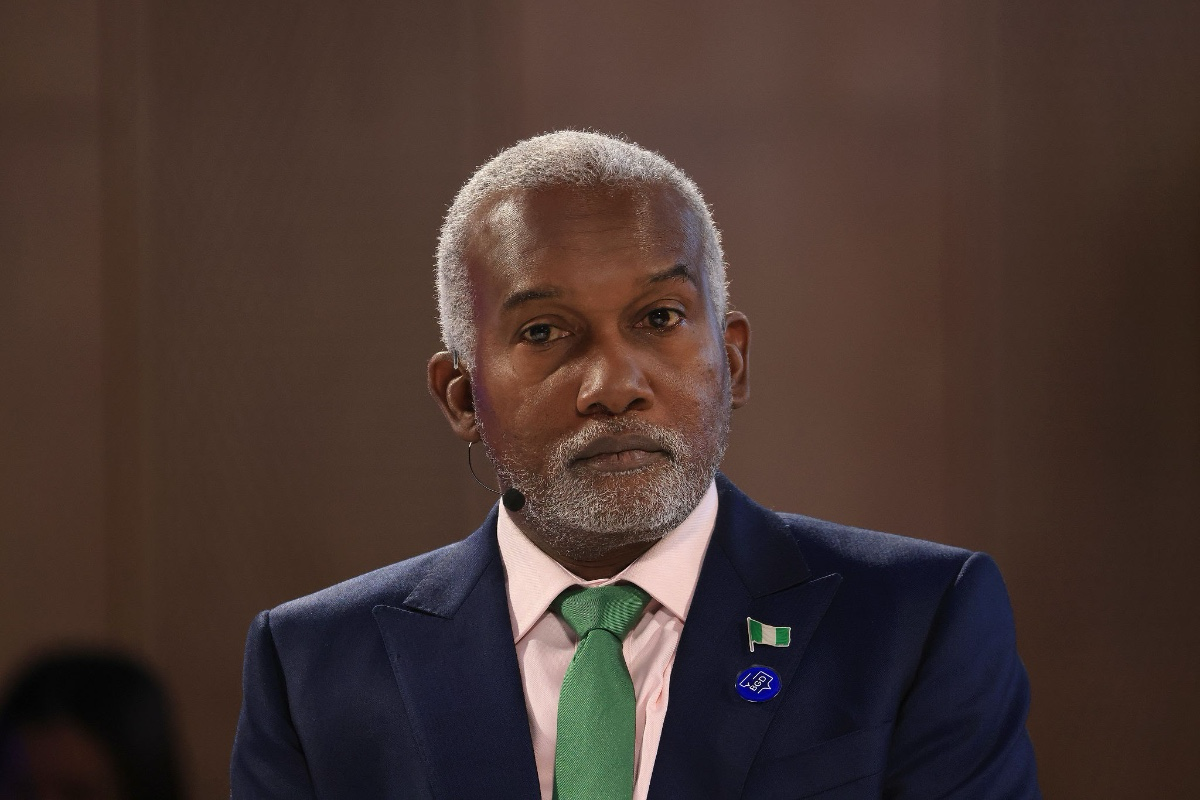
Foreign Minister Yusuf Tuggar

Nigeria could become a key partner for Gulf oil and gas producers seeking to diversify supply during the Middle East crisis, Yusuf Tuggar, minister of Foreign Affairs told Reuters. 

His comments come as conflict in Iran disrupts shipments through the Strait of Hormuz, an important corridor carrying about a fifth of global oil trade, pushing prices higher and forcing exporters to halt shipments.

“Nigeria’s untapped reserves offer Gulf states an alternative source of crude and gas at a time when global flows are vulnerable,” Tuggar said. “Countries that might otherwise consider us competitors should partner with us and invest, diversifying market share and benefiting both sides.”

Nigeria’s Oil and Gas Output

Nigeria has raised total crude output to roughly 1.7 million barrels per day (bpd) from 1.4 million bpd when President Bola Tinubu took office in 2023, with the potential for further growth as new investments target fields and pipelines.

Some analysts say U.S. and Israeli strikes on Iran, and Tehran’s subsequent attacks on Gulf states, might make Gulf countries hesitant to invest in Africa. Tuggar, however, argues these issues could encourage partnerships.

Subscribe to our Telegram channel for the latest updates.

Follow the latest developments with instant alerts on breaking news, top stories, and trending headlines.

Join Channel

“It could make them want to work with countries like Nigeria, rich in gas and oil, to diversify market share for mutual benefit, or they could hold back.”

Nigeria has already taken steps toward stronger cooperation, having signed a Comprehensive Economic Partnership Agreement (CEPA) with the United Arab Emirates in January. This was designed to bring about trade and investment.

Qatar-linked investors have also announced plans to invest in Nigeria’s gas sector, though timelines are still not known.

Strategic Context: Strait of Hormuz Disruption

  • February 2026 Strait crisis: Following U.S. and Israeli strikes on Iran, shipping through the Strait was disrupted, damaging tankers and killing seafarers.
  • Global impact: With the Strait carrying 20–25% of global seaborne oil trade, disruptions drove Brent crude above $90 per barrel, increased freight costs, and raised insurance premiums.
  • Opportunity for Nigeria: Gulf producers seeking alternatives create openings for Africa’s largest oil and gas producer.

Domestic Refining and Gas Potential

Nigeria is also expanding resilience at home, with privately owned Dangote Refinery, having a capacity of 650,000 bpd, reached full operational output in February 2026, enough to meet domestic demand and reduce reliance on imported refined products.

The country holds 206 trillion cubic feet of proven gas reserves, the largest in Africa, and is advancing its “Decade of Gas” initiative to monetise these resources. Tuggar emphasised that oil and gas will always be globally essential for years:

“The world consumes about 105–106 million barrels per day. That’s not changing anytime soon, so we need to work together to ensure enough hydrocarbons are available.”

Strategic Partnerships and Investment

  • UAE – CEPA (Jan 2026): Eliminates tariffs on thousands of products and opens over 100 service sectors, potentially bringing billions in trade and green finance.
  • Qatar – LNG investment (Jan 2026): Future Union Qatar signed a $3 billion MOU to invest in Nigeria’s LNG projects, supporting export capacity and gas monetisation goals.

Nonetheless, the challenges cannot be ignored, with warnings that Nigeria’s energy investment sector needs to overcome the following:

  • Execution delays: Long approval cycles can slow delivery on investment promises.
  • Security risks: Oil theft and pipeline vandalism are among top issues.
  • Global competition: Gulf states may hesitate to pivot to African suppliers if Middle East tensions ease, though Nigeria positions crises as a reminder of diversification needs.

0Shares
Previous Post

Mercy Eke X OPPO: Style Meets Innovation with the New OPPO Reno15 Series

Next Post

Cross-border Payments Should Reflect How Africans Actually Live and Work – Pouchers CEO

Joan Aimuengheuwa

Joan Aimuengheuwa

Joan thrives at helping individuals and businesses scale via storytelling...

Related Posts

InvestHK - Hong Kong

Hong Kong Joins Search for ‘New Markets’ in Africa

May 12, 2026
digital infrastructure for startups by DG NITDA

NITDA Says Digital Infrastructure Key to Startup Growth

May 11, 2026

Moniepoint, GDG Lagos Empower Women in Tech Architecture

May 11, 2026
Load More
Next Post
Pouchers Cross-border payments

Cross-border Payments Should Reflect How Africans Actually Live and Work - Pouchers CEO

Leave a Reply Cancel reply

Your email address will not be published. Required fields are marked *

I agree to the Terms & Conditions and Privacy Policy.

This site uses Akismet to reduce spam. Learn how your comment data is processed.

Techeconomy Podcast
Techeconomy Podcast

The Techeconomy Podcast is a thought-leadership show exploring the powerful intersection of technology, business, and the economy, with a strong focus on Africa’s fast-evolving digital landscape.

PROTECTING INNOVATION IN AFRICA’S STARTUP ECOSYSTEM
byTecheconomy

Protecting Innovation in Africa’s Startup Ecosystem . A timely conversation for the future of African entrepreneurship.

PROTECTING INNOVATION IN AFRICA’S STARTUP ECOSYSTEM
April 29, 2026
Techeconomy
BUILDING TRUST IN AFRICA ECOSYSTEM
February 27, 2026
Techeconomy
Navigating a Career in Tech Sales
January 29, 2026
Techeconomy
How Technology is Transforming Education, Health, and Business
November 27, 2025
Techeconomy
INNOVATION IN MOBILE BANKING
October 30, 2025
Techeconomy
Search Results placeholder
ADVERTISEMENT
  • About Us
  • Careers
  • Contact Us
  • Privacy Policy

© 2026 TECHECONOMY.

No Result
View All Result
  • Technology
  • Business
  • Economy
  • Features
  • Editorial
  • Brand Content
  • TECHECONOMY TV

© 2026 TECHECONOMY.

This website uses cookies. By continuing to use this website you are giving consent to cookies being used. Visit our Privacy and Cookie Policy.


