ADVERTISEMENT
Sunday, May 17, 2026
Tech | Business | Economy
No Result
View All Result
  • Technology
    • Trends
    • Telecoms
      • Broadband
    • ConsumerTech
      • Gadgets and Appliances
      • Apps
      • Accessories
      • Reviews
      • Unboxing
    • EnterpriseTECH
    • Security & Data Protection
    • How To
  • Business
    • Company News
    • StartUPs
      • Founder’s Story
      • Funding
    • Deals
    • People & Moves
    • SME & Entrepreneur Focus
    • BUSINESS SENSE FOR SMEs
    • Competition & Market Positioning
    • Commerce & Mobility
    • Travel
    • WomenPreneurs
  • Economy
    • Macroeconomic Trends
      • Macro Monday
      • TE Insights
    • Finance
      • Banks
      • Fintech
      • Insurance
      • Digital Assets
      • Personal Finance
    • Policies
      • Tech & Society
    • Market Analysis
    • Jobs & Workforce Economy
  • Features
    • Guest Writer
      • Chidiverse
      • Digital Assets
      • GameTech
    • EventDIARY
    • IndustryINFLUENCERS
    • MarkTECH
    • TBS
    • NewsEXTRA
  • Editorial
  • Brand Content
  • TECHECONOMY TV
Sunday, May 17, 2026
Tech | Business | Economy
No Result
View All Result
Tech | Business | Economy
No Result
View All Result

Home » Fears over Impact on African Nations if Iran War Drags On

Fears over Impact on African Nations if Iran War Drags On

Staff Writer by Staff Writer
March 16, 2026
in Finance
Reading Time: 2 mins read
0
Iran War

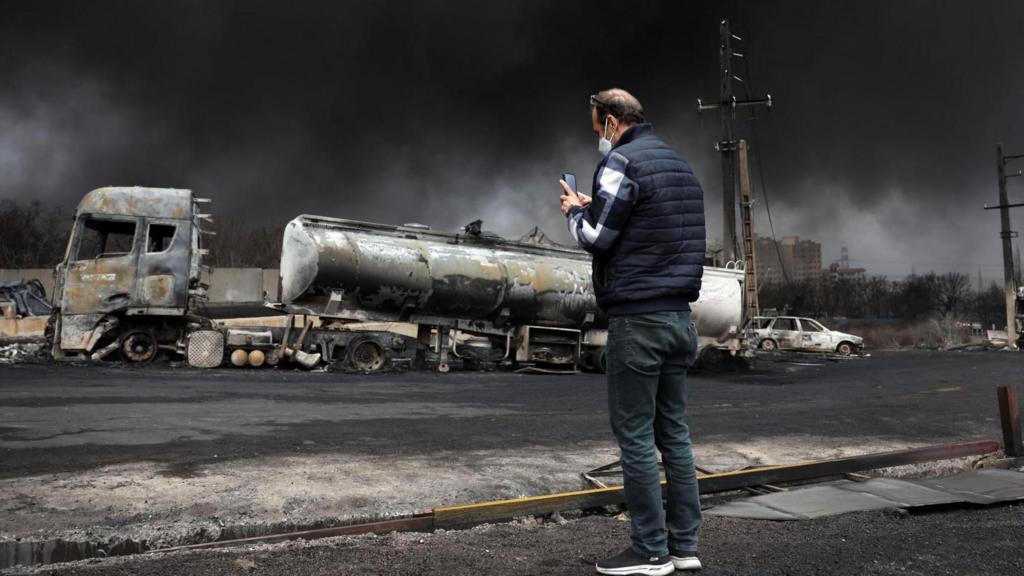
Iran War rages

CNN’s Larry Madowo reports that oil price spikes triggered by the war with Iran could have a catastrophic impact on African nations.

Even Africa’s most advanced economy, South Africa, is exposed to the oil price shocks, which could cause higher fuel costs, rising inflation and renewed pressure on currencies.

The government in Kenya is reassuring citizens that there are no immediate fears of a fuel shortage, and prices are yet to spike.

Many Governments across Africa are reassuring their citizens that they have stocks to last them for the time being. But they can’t make long term guarantees because many African nations depend on imported refined petroleum from the gulf.

This conflict just crossed the 12-day mark, and economist Kwame Owino tells Madowo that African nations should start preparing for a catastrophic scenario,

Subscribe to our Telegram channel for the latest updates.

Follow the latest developments with instant alerts on breaking news, top stories, and trending headlines.

Join Channel

“while no African countries are directly involved in the conflict, we still suffer quite substantially. Governments need to adjust. So, for instance, the government of Kenya has some of the highest taxes globally on fuel prices so adjusting fiscal policy to allow for greater affordability is important, even if it means that government will have a lower take.”

Africa’s most advanced economy, South Africa, is one of those exposed to the oil price shocks. One South African airline, Flysafair, announced it would be adding a temporary dynamic fuel surcharge after jet fuel prices rose by 70% in one week at South African airports. Other airlines, including national carrier South African airways, said they were monitoring prices.

Nigeria is Africa’s most populous nation and one of the largest economies. It is also a crude oil producer, so it’s likely to cash in on the increase in global oil prices. But Nigeria still imports refined petroleum, so it is not immune from the shocks that the global markets are seeing.

The bigger picture here is that African economies are more fragile than stronger, more advanced economies.

Owino says, “these economies are small and fragile. They are dependent on those imports. So when there’s a global conflict, it affects these economies. And African economies also tend to recover slowly, much slower to have a slower path of recovery.”

Fuel prices are holding steady right now. But if the conflict with Iran drags on, just about everything here in Kenya and across the African continent will get more expensive, adding more pain for African consumers.

0Shares
Previous Post

AfrexInsure Appoints Lesley Ndlovu as New Chief Executive Officer

Next Post

TECNO Camon 50 Series vs Camon 40: Price and Specs Comparison in Nigeria (2026)

Staff Writer

Staff Writer

Related Posts

CBN OMO | Olayemi Cardoso | FX Manual

Cardoso Unveils Revised FX Manual to Deepen Nigeria’s Foreign Exchange Reforms

May 16, 2026
CoinEx | Crypto Savings vs Traditional Savings

Crypto Savings vs. Traditional Bank Savings Accounts: What is the Difference?

May 16, 2026

FCMB Backs REA ₦257.6 billion Fund Raise to Develop 191MW Solar Capacity

May 14, 2026
Load More
Next Post
TECNO Camon 40  series vs Camon 50 series

TECNO Camon 50 Series vs Camon 40: Price and Specs Comparison in Nigeria (2026)

Leave a Reply Cancel reply

Your email address will not be published. Required fields are marked *

I agree to the Terms & Conditions and Privacy Policy.

This site uses Akismet to reduce spam. Learn how your comment data is processed.

Techeconomy Podcast
Techeconomy Podcast

The Techeconomy Podcast is a thought-leadership show exploring the powerful intersection of technology, business, and the economy, with a strong focus on Africa’s fast-evolving digital landscape.

PROTECTING INNOVATION IN AFRICA’S STARTUP ECOSYSTEM
byTecheconomy

Protecting Innovation in Africa’s Startup Ecosystem . A timely conversation for the future of African entrepreneurship.

PROTECTING INNOVATION IN AFRICA’S STARTUP ECOSYSTEM
April 29, 2026
Techeconomy
BUILDING TRUST IN AFRICA ECOSYSTEM
February 27, 2026
Techeconomy
Navigating a Career in Tech Sales
January 29, 2026
Techeconomy
How Technology is Transforming Education, Health, and Business
November 27, 2025
Techeconomy
INNOVATION IN MOBILE BANKING
October 30, 2025
Techeconomy
Search Results placeholder
ADVERTISEMENT
  • About Us
  • Careers
  • Contact Us
  • Privacy Policy

© 2026 TECHECONOMY.

No Result
View All Result
  • Technology
  • Business
  • Economy
  • Features
  • Editorial
  • Brand Content
  • TECHECONOMY TV

© 2026 TECHECONOMY.

This website uses cookies. By continuing to use this website you are giving consent to cookies being used. Visit our Privacy and Cookie Policy.