

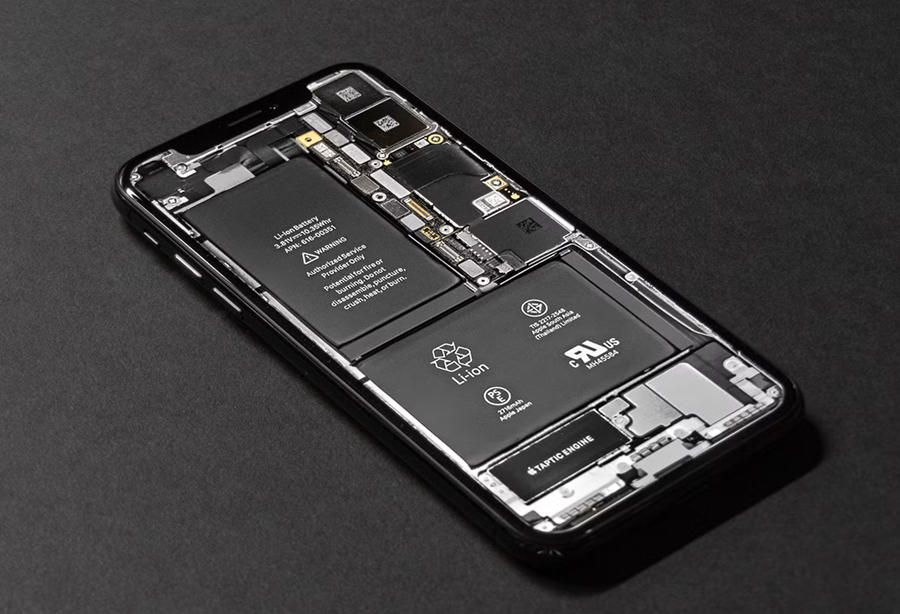
Smartphone batteries are getting bigger in 2026, and this clearly shows the industry’s long-standing focus on ultra-slim designs has moved to longer-lasting devices.
Most smartphones launched this year, especially those unveiled at the Consumer Electronics Show 2026 and the Mobile World Congress 2026, now come with batteries above 5,000mAh.
Just a few years ago, that level would have been considered unusually large.
The change aligns with high power demands from newer technologies and expectations among users for phones that can last all day or longer, particularly in markets like Nigeria where electricity supply can be inconsistent.
Modern chips are using more power
When talking about this shift, we can’t take out the more powerful processors. Each new generation of smartphone chips brings better performance for gaming, multitasking and graphics, but they also consume more energy.
Flagship processors like the Snapdragon 8 Elite Gen 5 are built to handle complex AI tasks and high-end graphics. While this improves speed and overall performance, it also puts more stress on battery life.
To balance this, manufacturers are increasing battery capacity. Devices such as the Xiaomi 17 Ultra now pack batteries as large as 6,000mAh to maintain performance without sacrificing usage time.
Bigger, brighter displays add to the load
Display technology is another major factor. Smartphones now feature larger screens with higher brightness and faster refresh rates, sometimes reaching 144Hz.
These improvements make scrolling smoother and videos more immersive, but they also drain more power. To support this, manufacturers are pairing high-end displays with larger batteries.
An example is the Realme Narzo Power 5G, which comes with a massive 10,000mAh battery. Its high refresh rate and extremely bright display demand more energy, making a larger battery necessary.
AI is now running on the device
Artificial intelligence is no longer limited to the cloud. Many new smartphones now process AI tasks directly on the device, improving speed, privacy and reducing data usage.
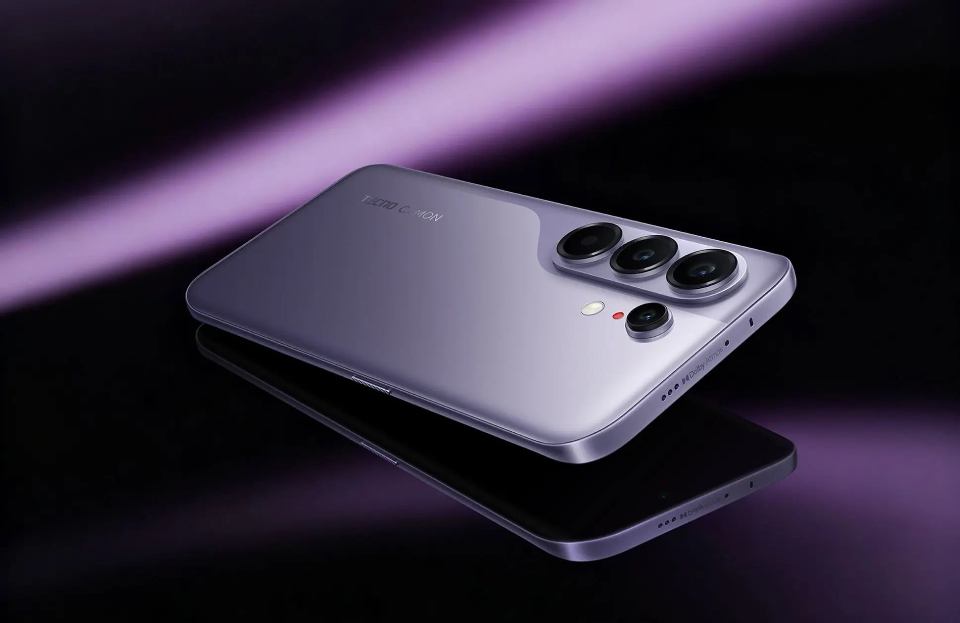
However, local AI processing increases power consumption. Features such as advanced photography, real-time voice assistance and smart automation all require constant processing.
Devices like the iPhone 17e and Galaxy S26 Ultra embed this shift, with slightly larger batteries designed to support these always-on AI features.
5G connectivity increases energy use
The expansion of 5G networks is also driving battery growth. Compared to older network technologies, 5G consumes more power, especially when maintaining fast and stable connections.
With more users demanding high-speed internet access, even outside cities, manufacturers are bringing 5G to mid-range and budget devices.
Phones such as the Realme C83 5G and Samsung Galaxy A07 5G now include 5G support alongside batteries as large as 6,000mAh to handle the added energy demand.
Users want longer battery life
Consumer expectations have also changed. Battery life has become a key deciding factor for many buyers, especially in regions where charging opportunities may be limited.
In Nigeria and similar markets, users usually prefer devices that can last through long periods without power. This has pushed manufacturers to introduce entry-level smartphones with batteries up to 7,000mAh.
For many users, this can mean one to two days of usage on a single charge, depending on activity.
Larger batteries (for smartphones) could mean thicker devices, but advances in battery technology are helping reduce that trade-off.
New materials, including silicon-carbon batteries, are allowing manufacturers to store more power without significantly increasing size.
The steady rise in battery capacity shows how smartphones are evolving, from simple communication tools to powerful, always-connected devices.
With current trends, 6,000mAh and 7,000mAh batteries may soon become the standard rather than the exception.