


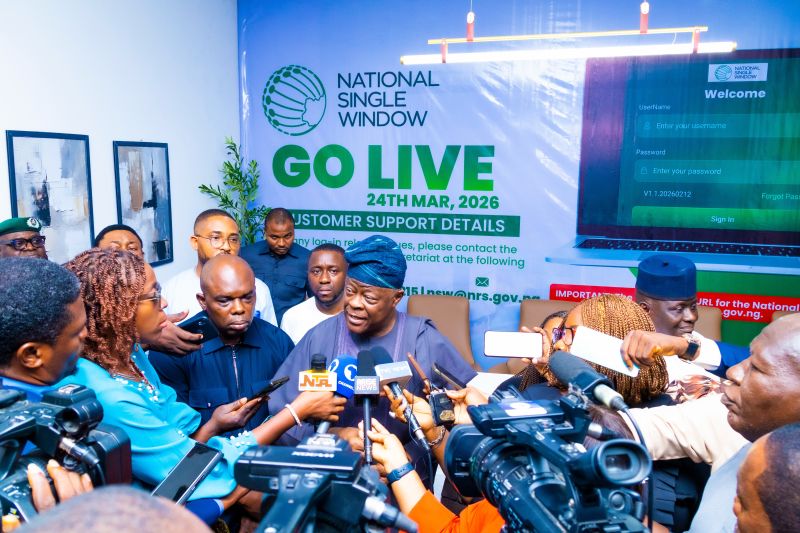
The official launch of Nigeria’s National Single Window (NSW), a digital trade platform designed to simplify how goods move in and out of the country, is a huge step in the government’s drive to modernise trade processes and improve revenue collection.
The system, which went live on March 24, 2026, in Lagos, is designed to unify the fragmented landscape of international trade, serving as a single portal for all import, export, and transit-related regulatory requirements.
Speaking at a media briefing in Apapa, Lagos, Wale Edun, minister of Finance and coordinating minister of the Economy, said the launch is a landmark achievement under President Bola Tinubu’s economic agenda.
He described the initiative as a “shift from fragmented and inefficient trade processes to a more coordinated and technology-driven system.”
According to Edun, the National Single Window is designed to reduce the time and cost associated with import and export transactions while improving transparency and overall efficiency.
“This is a defining moment. We are moving from complexity to clarity, from fragmentation to coordination, and from delay to efficiency,” Edun explained.
This explainer breaks down the structural, financial, and operational implications of NSW as it enters its first phase of live implementation.
1. The Operational Framework: One Portal, Multiple Agencies
At its core, the National Single Window is a cross-government digital platform that integrates all agencies involved in the trade supply chain.
Historically, Nigerian traders faced a siloed system where they had to interact separately with various regulators, often submitting the same documentation multiple times.
Centralisation of Trade Documentation
The NSW eliminates the need for physical visits to multiple government offices. Through the new digital interface, stakeholders including importers, exporters, shipping lines, and clearing agents can submit standardised documents once.
These are then automatically distributed to the relevant authorities for review and approval.
Participating Regulatory Agencies
The first phase of the rollout integrates several key government bodies to ensure a comprehensive compliance check within a single session:
- Nigeria Customs Service (NCS): Managing declarations and duty assessments.
- Nigerian Ports Authority (NPA): Handling berthing and terminal operations.
- National Agency for Food and Drug Administration and Control (NAFDAC): Overseeing permits for regulated consumables and chemicals.
- Standards Organisation of Nigeria (SON): Validating product quality certifications.
- Nigeria Agricultural Quarantine Service (NAQS): Managing sanitary and phytosanitary certificates.
2. Economic Targets: Revenue, Efficiency, and Dwell Time
The Federal Government has pegged the success of the NSW to specific macroeconomic targets, focusing on the reduction of the congestion tax that has historically hampered Nigerian businesses.
Drastic Reduction in Cargo Dwell Time
One of the most ambitious goals of the initiative is the reduction of cargo dwell time the duration cargo stays at the port before being cleared.
Prior to the NSW, Nigerian ports averaged a dwell time of 18 to 21 days, significantly higher than the global benchmark of roughly 4 days.
The government aims to slash this to under 7 days by the end of 2026 through the automation of the 73% of delays currently linked to manual documentation and bureaucratic bottlenecks.
Fiscal Projections and Revenue Leakage
The President Bola Tinubu administration has noted that the full implementation of the NSW could yield an estimated $2.7 billion annually in economic benefits. By automating payment systems and synchronising data, the platform aims to:
- Prevent Revenue Leakage: Direct integration with the government’s treasury ensures all duties and fees are captured accurately.
- Boost Trade Volumes: Lower costs and faster turnaround times are expected to increase the competitiveness of Nigerian exports under the African Continental Free Trade Area (AfCFTA).
- Minimise Corruption: Reducing human interface in the approval process limits opportunities for rent-seeking and unofficial “facilitation” fees.
3. Implementation Phases and Technical Features
The launch on March 24 represents Phase One of a structured, multi-year rollout. The government has opted for a phased approach to manage the technical transition and allow for stakeholder training.
Phase One Deliverables (March 2026)
The current live phase focuses on the most critical front-end trade activities. This includes:
- Electronic Cargo Manifests: Automated submission by shipping lines and airlines.
- Centralised Risk Management: A system that allows all agencies to conduct risk assessments simultaneously rather than sequentially.
- Online Permit Applications: Full digitisation of licenses for SON, NAFDAC, and NAQS.
The Road to 2027
Phase Two, scheduled to begin between the second and third quarters of 2026, will expand the scope of integrated services.
The final stage, projected for Q1 2027, will see the full integration of Customs declarations and advanced data analytics tools to monitor trade flows in real-time.
4. Addressing Infrastructure and Industry Concerns
While the digital portal is live, the Ministry of Finance has emphasised that technology alone is not a panacea. The success of the NSW is inextricably linked to the physical modernisation of Nigeria’s maritime gateways.
The Link to Port Upgrades
The launch coincides with a major infrastructure financing arrangement backed by UK Export Finance (UKEF).
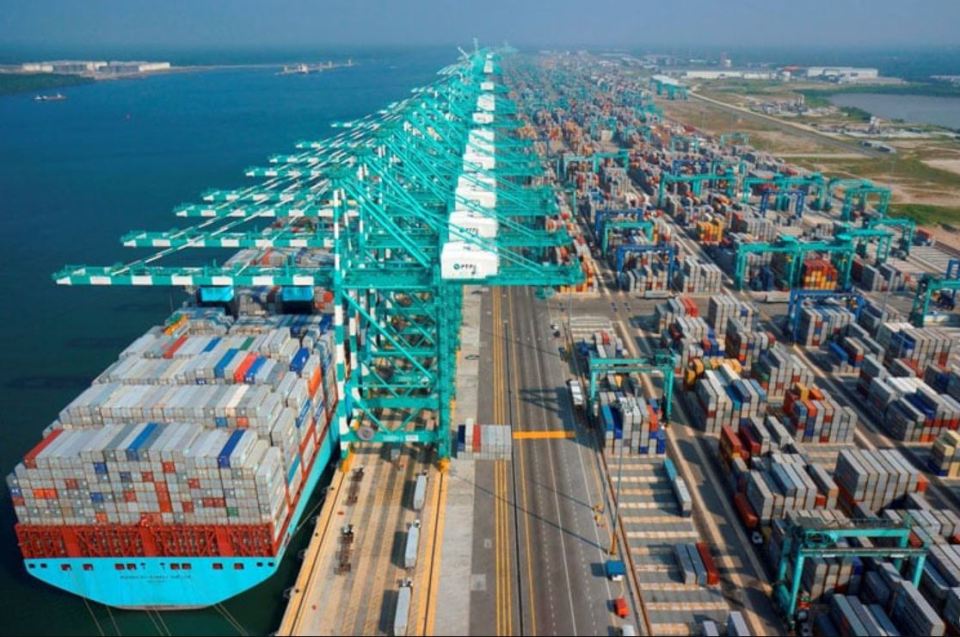
This funding is dedicated to the comprehensive upgrade of the Apapa and Tin Can Island port complexes, which handle approximately 70% of Nigeria’s maritime trade.
The government maintains that digital efficiency must be matched by physical capacity (scanners, berths, and road access) to achieve the 7-day dwell time target.
Stakeholder Reception and Counter-Arguments
The launch has met with a mix of optimism and caution from industry groups:
- Supportive View: The National Association of Government Approved Freight Forwarders (NAGAFF) argues that the NSW is an essential tool for attracting Foreign Direct Investment (FDI) and preventing the diversion of cargo to neighbouring West African ports like Cotonou or Lome.
- Critical View: Some groups, such as the National Council of Managing Directors of Customs Licensed Agents (NCMDLCA), have expressed concerns that the platform might introduce new administrative charges or duplicate existing Customs systems (like NICIS II).
In response, the National Revenue Service (NRS) has clarified that the NSW is an orchestration layer designed to complement, not replace, the existing statutory functions of individual agencies.
5. Strategic Context: The $1 Trillion Economy Vision
The National Single Window is framed as a cornerstone of the administration’s renewed hope agenda, specifically the drive toward a $1 trillion economy.
By reducing the cost of doing business, the government intends to formalise more of the informal trade sector and integrate Nigerian MSMEs into global value chains.
By aligning with international standards set by the World Trade Organisation (WTO) and the World Customs Organisation (WCO), Nigeria is emphasising its readiness for a more transparent and predictable trade environment.
The primary focus now shifts to the user acceptance phase, where the platform’s ability to handle high transaction volumes without technical downtime will be tested.



