


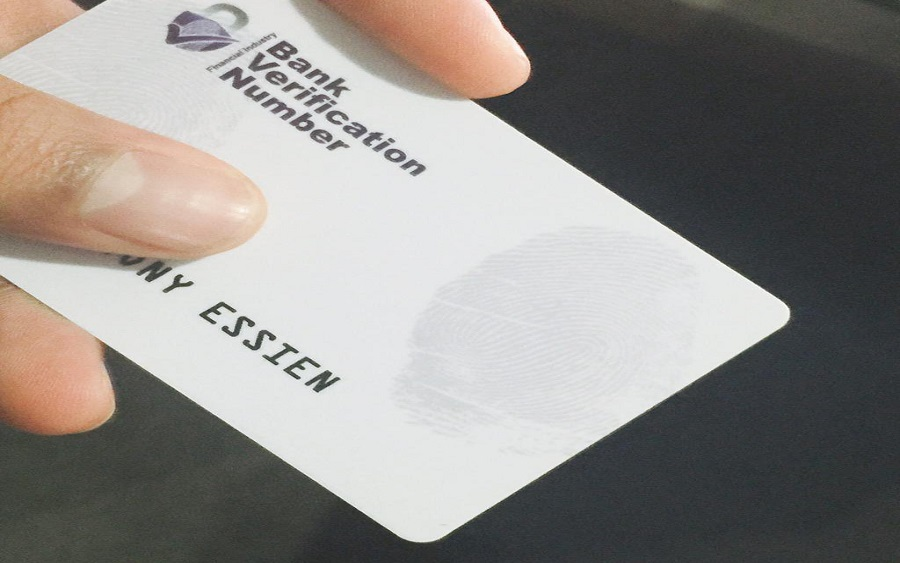
The number of Nigeria’s registered Bank Verification Number (BVN) increased to 68.6 million in March 2026, reflecting continued uptake of the unique identity platform for bank customers, even as growth moderated under new regulatory directives.
According to data released by the Nigeria Inter-Bank Settlement System (NIBSS), the BVN database expanded by 754,128 in the first quarter of the year, bringing the total to 67.8 million registered BVNs recorded at the end of 2025.
Last year, the sector recorded 4.3 million new registrations, largely driven by the Non-Resident Bank Verification Number (NRBVN) initiative, which allows Nigerians in the diaspora to register remotely, thereby boosting cross-border financial inclusion.
The data for fresh enrolments in 2026 showed a slowing rate of registrations, with fewer than one million recorded in the first three months.
The total number of active bank accounts in Nigeria stood at over 320 million as of March 2025, highlighting a gap between BVN coverage and the broader banking population.
While a single BVN can be linked to multiple accounts, unlinked accounts remain a challenge for financial oversight.
Last month, the Central Bank of Nigeria (CBN) introduced a revised BVN regulatory framework to strengthen identity verification and fraud prevention.
Among the new provisions, only individuals aged 18 and above are eligible for BVN enrolment, and customers are now permitted to update the phone number linked to their BVN only once.
The apex bank also directed financial institutions to maintain a temporary watch list of BVNs associated with suspected fraudulent transactions.
Affected BVNs remain on the list for up to 24 hours, during which owners are contacted for clarification before further action is taken.
According to the CBN, the measures are designed to tighten fraud monitoring, protect transaction integrity, and enhance identity management across Nigeria’s banking system.



