
CrowdB, a fractional real estate investment platform, has completed its first full investment cycle, delivering over 50% return on investment (ROI) to participants within 18 months; marking an early proof point for a model that is gaining traction among African investors.
The completed cycle, which combined both rental income and capital appreciation, reflects a growing shift in how individuals are approaching real estate, moving from outright ownership to fractional participation in curated assets.
At a time when inflation, currency volatility, and high entry costs continue to limit access to traditional property ownership, fractional real estate is emerging as an alternative for investors seeking asset-backed, medium-term returns.
CrowdB’s model allows individuals to invest smaller amounts into real estate opportunities, pooling capital to acquire and manage properties collectively. The company focuses on asset selection, timing, and exit strategy; three variables it believes are critical to performance.
According to internal data from the company’s first cycle, returns were driven by a combination of:
- Strategic entry pricing
- Rental income during the holding period
- Market-timed exit based on appreciation signals
Speaking on the milestone, Eloho Toje Canaan, co-founder of CrowdB said the result reinforces a broader shift in investor behavior.
“We’re seeing a growing number of people who want exposure to real estate, but not the rigidity that comes with traditional ownership. What we’re building is a structured way to participate; where decisions are data-informed, risks are managed, and investors can track performance over time.”
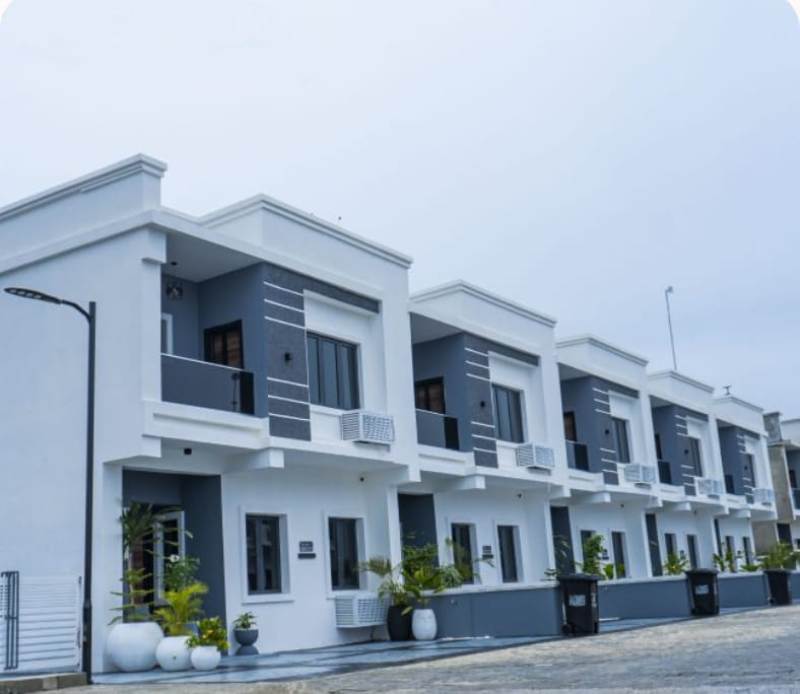
Since launching, CrowdB has continued to build a portfolio of residential assets across high-growth corridors, with some properties currently generating rental income while others are positioned for appreciation and exit.
The company is also observing increased investor behavior around repeat participation; where users reinvest returns into new opportunities rather than exiting entirely.
This pattern, according to CrowdB, is key to compounding value within the model.
More broadly, Africa’s real estate sector is seeing increased experimentation at the intersection of technology, finance, and property ownership, with platforms exploring ways to digitize access, improve transparency, and lower participation barriers.
For CrowdB, the next phase involves scaling both access and structure; moving from individual property plays to more coordinated developments and larger investment vehicles.
“This first cycle is important because it validates the model,” Canaan added. “But more importantly, it gives us data, confidence, and a base of investors who understand how this works. The next phase is about scaling that, responsibly. It’s exciting to see that we are building something for Africa and for Africans”
As interest in alternative investments continues to rise, CrowdB’s early results suggest that fractional real estate may be carving out a meaningful role in Africa evolving investment landscape.