

ADVERTISEMENT
Wednesday, April 29, 2026
Tech | Business | Economy
No Result
View All Result
  • Technology
    • Trends
    • Telecoms
      • Broadband
    • ConsumerTech
      • Gadgets and Appliances
      • Apps
      • Accessories
      • Reviews
      • Unboxing
    • EnterpriseTECH
    • Security & Data Protection
    • How To
    • GameTech
  • Business
    • Company News
    • StartUPs
      • Founder’s Story
      • Funding
    • Deals
    • People & Moves
    • SME & Entrepreneur Focus
    • BUSINESS SENSE FOR SMEs
    • Competition & Market Positioning
    • Commerce & Mobility
    • Travel
    • WomenPreneurs
  • Economy
    • Macroeconomic Trends
      • Macro Monday
      • TE Insights
    • Finance
      • Banks
      • Fintech
      • Insurance
      • Digital Assets
      • Personal Finance
    • Policies
      • Tech & Society
    • Market Analysis
    • Jobs & Workforce Economy
  • Features
    • Guest Writer
      • Chidiverse
      • Digital Assets
    • EventDIARY
    • IndustryINFLUENCERS
    • MarkTECH
    • TBS
    • NewsEXTRA
  • Editorial
  • Brand Content
  • TECHECONOMY TV
Wednesday, April 29, 2026
Tech | Business | Economy
No Result
View All Result
Tech | Business | Economy
No Result
View All Result

Home » Leveraging Technology for Healthcare Solutions in Africa: The Rise of Local In-Vitro Diagnostics Manufacturing

Leveraging Technology for Healthcare Solutions in Africa: The Rise of Local In-Vitro Diagnostics Manufacturing

| By: Olutayo Irantiola

Techeconomy by Techeconomy
April 29, 2026
in Guest Writer
Reading Time: 3 mins read
0
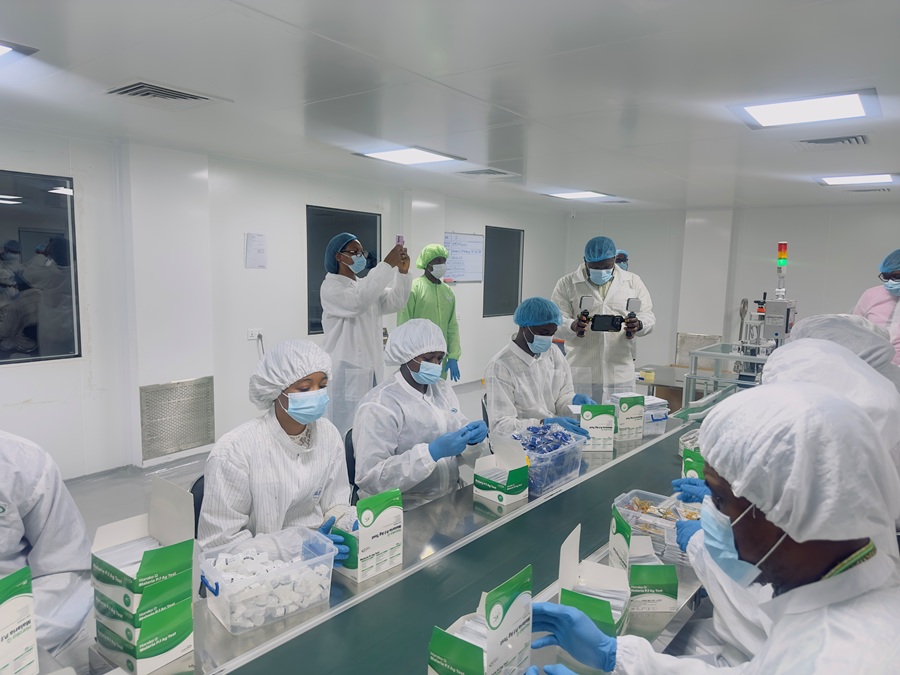
in-vitro diagnostics manufacturing in Nigeria

in-vitro diagnostics manufacturing in Nigeria

Healthcare in Africa for many years depended largely on few laboratory tests that made patients wait for long hours or days before the result is released.

This phenomenon made healthcare delivery cumbersome and wholesomeness is not easily achieved.
in-vitro diagnostics manufacturing in Nigeria

Equally, Africa’s healthcare systems have long grappled with structural vulnerabilities, limited local manufacturing capacity, dependence on imports, and fragile supply chains.

These challenges were brought into sharp focus during the COVID-19 pandemic, when global disruptions exposed the continent’s heavy reliance on external sources for critical medical supplies.

Yet, amid these challenges, a quiet transformation has been underway laced with innovation, foresight, and the strategic deployment of technology.

Subscribe to our Telegram channel for the latest updates.

Follow the latest developments with instant alerts on breaking news, top stories, and trending headlines.

Join Channel

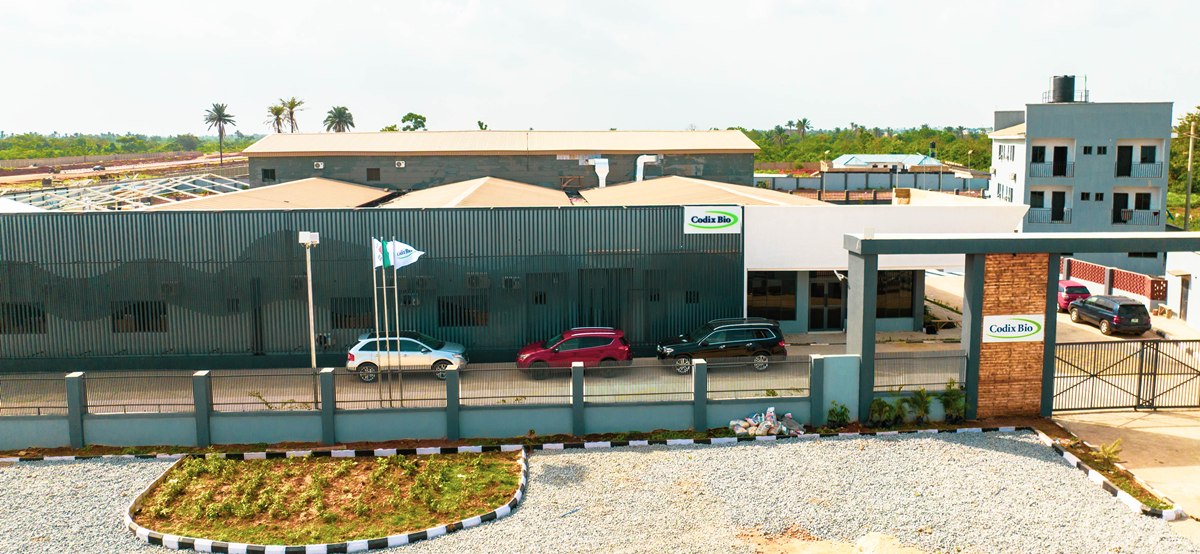
At the center of this transformation is the growing adoption of in-vitro diagnostics (IVD) manufacturing across Africa, championed by companies like Codix Bio.

Long before the pandemic, Codix had identified the urgent need for local healthcare manufacturing and took a bold step with the establishment of Colexa Biosensor in 2017.

This move was not reactive, but strategic, anticipating a future where Africa would need to take greater control of its healthcare value chain.

The COVID-19 crisis accelerated this vision. As borders closed and access to essential diagnostics became constrained, local manufacturing shifted from a long-term ambition to an immediate necessity.

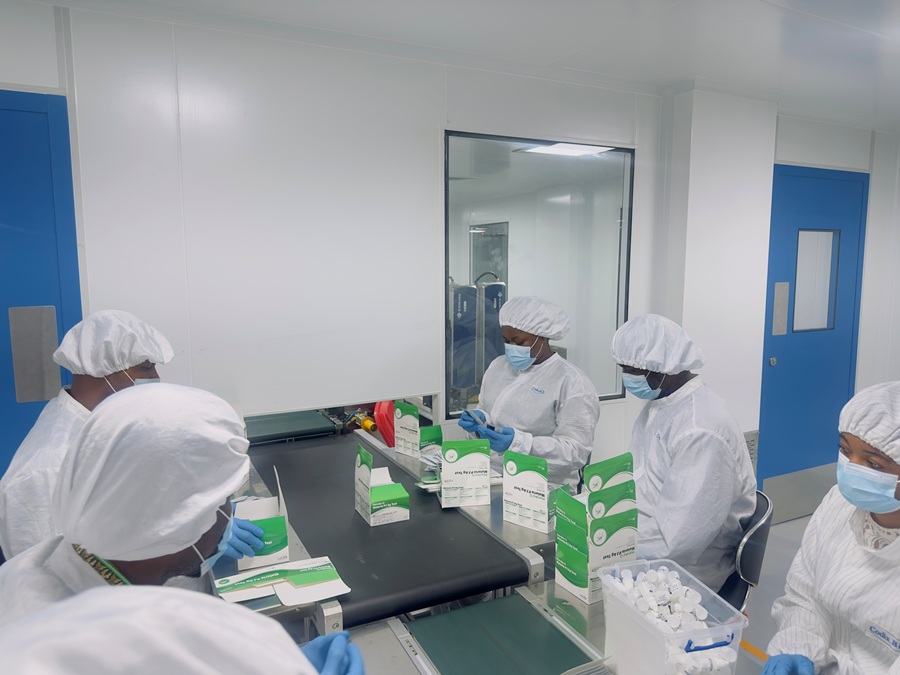
In response, Codix fast-tracked the development of Colexa Biosensor, which has since become a landmark facility, the first manufacturer of blood glucose meters and test strips in Nigeria and Sub-Saharan Africa, and only the second of its kind on the continent after Algeria.
in-vitro diagnostics manufacturing in Nigeria

This milestone brings to the fore a broader shift: technology is no longer just a support function in healthcare, it is now central to building resilience, ensuring access, and improving outcomes.

By leveraging advanced biosensor technology and automated production systems, facilities like Colexa Biosensor are reducing dependency on imports while improving the availability of essential diagnostic tools for millions.

Global collaboration has also played a critical role in accelerating this progress. Organisations such as the World Health Organisation and the Medicines Patent Pool (MPP) have been instrumental in facilitating technology transfer and expanding access to critical health innovations.

Through the WHO’s Health Technology Access Programme (HTAP), Codix was identified as a key partner in strengthening Africa’s manufacturing capacity.

A major breakthrough came via a sublicensing agreement brokered by MPP, enabling Codix Bio to access and deploy cutting-edge rapid diagnostic test (RDT) technology from SD Biosensor.

This partnership builds on a long standing relationship between the companies, dating back to 2009, and represents a powerful example of how global expertise can be effectively localised.

The implications of this are profound. With local production of rapid diagnostic tests and other IVD tools, African countries can respond more swiftly to disease outbreaks, improve early detection rates, and strengthen overall public health systems.

Beyond healthcare outcomes, this also drives economic value, creating jobs, building technical expertise, and fostering industrial growth.

However, the journey is far from complete. To fully realise the potential of technology-driven healthcare solutions, Africa must continue to invest in infrastructure, regulatory frameworks, and human capital.

Governments, private sector players, and development partners must align efforts to create an enabling environment that supports innovation and scale.

What is clear, however, is that the narrative is changing. Africa is no longer just a recipient of healthcare solutions, it is becoming a producer, an innovator, and a critical player in the global health ecosystem.

With technology and embracing local manufacturing, the continent is laying the foundation for a more resilient, self-sufficient, and equitable healthcare future.

0Shares

Previous Post

ASIF Taps Flutterwave’s Payment Ecosystem to Empower 30,000+ Entrepreneurs in Nigeria

Next Post

TD Africa, ASUS Deepens Market Presence at Partner Event Summit Nigeria 2026

Techeconomy

Techeconomy

Related Posts

Introducing PARE

PARE: A Leadership Framework for Clarity, Growth and Relevance

April 29, 2026
Ememobong Udofot | FlashChange | The Future of Fintech | Visibility Trap

The Visibility Trap

April 22, 2026

How Cybersecurity is Reshaping Nigeria’s National Security Conversation

April 21, 2026
Load More
Next Post
TD Africa and ASUS

TD Africa, ASUS Deepens Market Presence at Partner Event Summit Nigeria 2026

Leave a Reply Cancel reply

Your email address will not be published. Required fields are marked *

I agree to the Terms & Conditions and Privacy Policy.

This site uses Akismet to reduce spam. Learn how your comment data is processed.

Techeconomy Podcast
Techeconomy Podcast

The Techeconomy Podcast is a thought-leadership show exploring the powerful intersection of technology, business, and the economy, with a strong focus on Africa’s fast-evolving digital landscape.

PROTECTING INNOVATION IN AFRICA’S STARTUP ECOSYSTEM
byTecheconomy

Protecting Innovation in Africa’s Startup Ecosystem . A timely conversation for the future of African entrepreneurship.

PROTECTING INNOVATION IN AFRICA’S STARTUP ECOSYSTEM
April 29, 2026
Techeconomy
BUILDING TRUST IN AFRICA ECOSYSTEM
February 27, 2026
Techeconomy
Navigating a Career in Tech Sales
January 29, 2026
Techeconomy
How Technology is Transforming Education, Health, and Business
November 27, 2025
Techeconomy
INNOVATION IN MOBILE BANKING
October 30, 2025
Techeconomy
Search Results placeholder
  • About Us
  • Careers
  • Contact Us
  • Privacy Policy

© 2026 TECHECONOMY.

No Result
View All Result
  • Technology
  • Business
  • Economy
  • Features
  • Editorial
  • Brand Content
  • TECHECONOMY TV

© 2026 TECHECONOMY.

This website uses cookies. By continuing to use this website you are giving consent to cookies being used. Visit our Privacy and Cookie Policy.

