


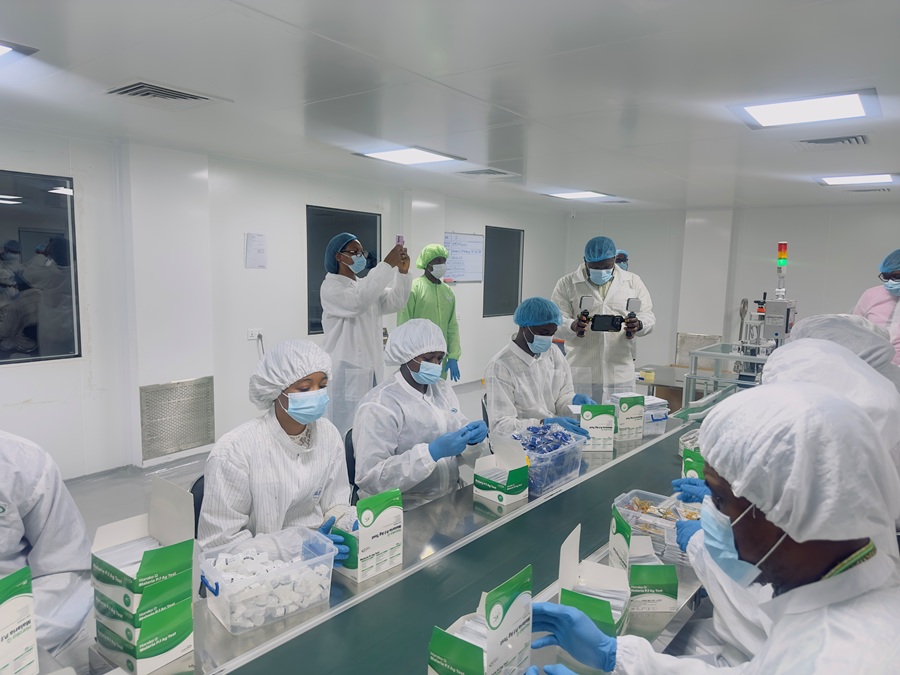
Healthcare in Africa for many years depended largely on few laboratory tests that made patients wait for long hours or days before the result is released.
This phenomenon made healthcare delivery cumbersome and wholesomeness is not easily achieved.
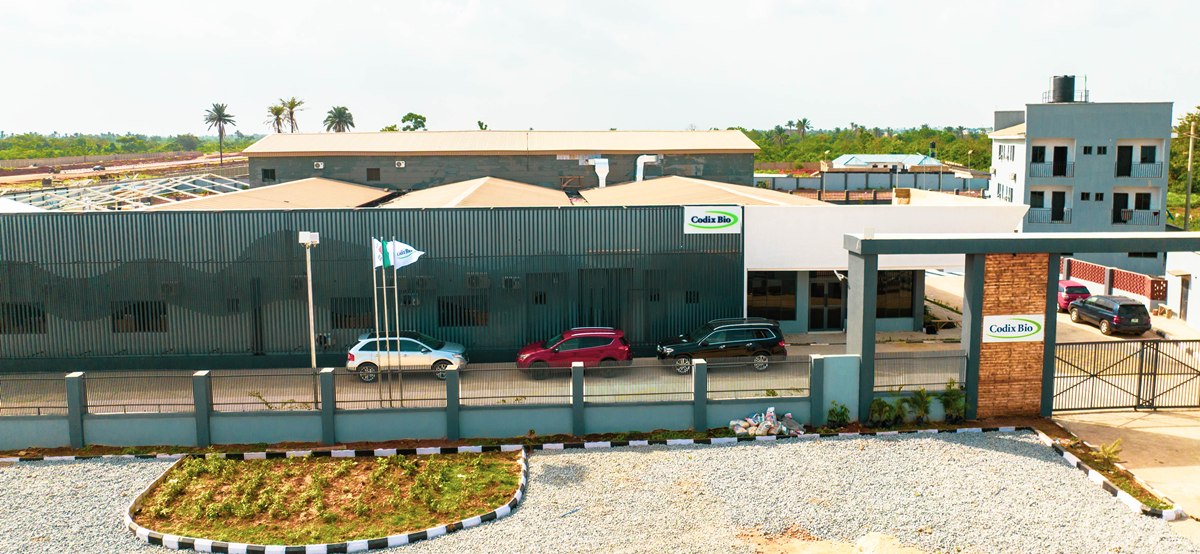
Equally, Africa’s healthcare systems have long grappled with structural vulnerabilities, limited local manufacturing capacity, dependence on imports, and fragile supply chains.
These challenges were brought into sharp focus during the COVID-19 pandemic, when global disruptions exposed the continent’s heavy reliance on external sources for critical medical supplies.
Yet, amid these challenges, a quiet transformation has been underway laced with innovation, foresight, and the strategic deployment of technology.
At the center of this transformation is the growing adoption of in-vitro diagnostics (IVD) manufacturing across Africa, championed by companies like Codix Bio.
Long before the pandemic, Codix had identified the urgent need for local healthcare manufacturing and took a bold step with the establishment of Colexa Biosensor in 2017.
This move was not reactive, but strategic, anticipating a future where Africa would need to take greater control of its healthcare value chain.
The COVID-19 crisis accelerated this vision. As borders closed and access to essential diagnostics became constrained, local manufacturing shifted from a long-term ambition to an immediate necessity.
In response, Codix fast-tracked the development of Colexa Biosensor, which has since become a landmark facility, the first manufacturer of blood glucose meters and test strips in Nigeria and Sub-Saharan Africa, and only the second of its kind on the continent after Algeria.
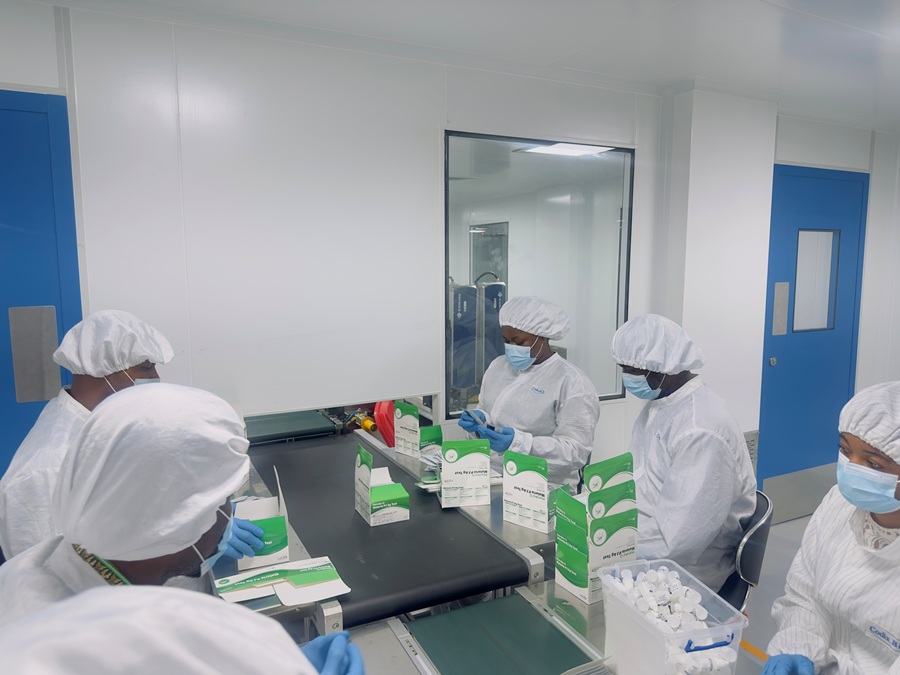
This milestone brings to the fore a broader shift: technology is no longer just a support function in healthcare, it is now central to building resilience, ensuring access, and improving outcomes.
By leveraging advanced biosensor technology and automated production systems, facilities like Colexa Biosensor are reducing dependency on imports while improving the availability of essential diagnostic tools for millions.
Global collaboration has also played a critical role in accelerating this progress. Organisations such as the World Health Organisation and the Medicines Patent Pool (MPP) have been instrumental in facilitating technology transfer and expanding access to critical health innovations.
Through the WHO’s Health Technology Access Programme (HTAP), Codix was identified as a key partner in strengthening Africa’s manufacturing capacity.
A major breakthrough came via a sublicensing agreement brokered by MPP, enabling Codix Bio to access and deploy cutting-edge rapid diagnostic test (RDT) technology from SD Biosensor.
This partnership builds on a long standing relationship between the companies, dating back to 2009, and represents a powerful example of how global expertise can be effectively localised.
The implications of this are profound. With local production of rapid diagnostic tests and other IVD tools, African countries can respond more swiftly to disease outbreaks, improve early detection rates, and strengthen overall public health systems.
Beyond healthcare outcomes, this also drives economic value, creating jobs, building technical expertise, and fostering industrial growth.
However, the journey is far from complete. To fully realise the potential of technology-driven healthcare solutions, Africa must continue to invest in infrastructure, regulatory frameworks, and human capital.
Governments, private sector players, and development partners must align efforts to create an enabling environment that supports innovation and scale.
What is clear, however, is that the narrative is changing. Africa is no longer just a recipient of healthcare solutions, it is becoming a producer, an innovator, and a critical player in the global health ecosystem.
With technology and embracing local manufacturing, the continent is laying the foundation for a more resilient, self-sufficient, and equitable healthcare future.



