
For decades, the Igbo people of South-East Nigeria have been recognised across Africa for their strong entrepreneurial culture.
From the spare parts markets of Nnewi to the major trading hubs in Onitsha and Aba, the region built its reputation on hard work, resilience, trade, and grassroots enterprise long before the rise of today’s startup economy.
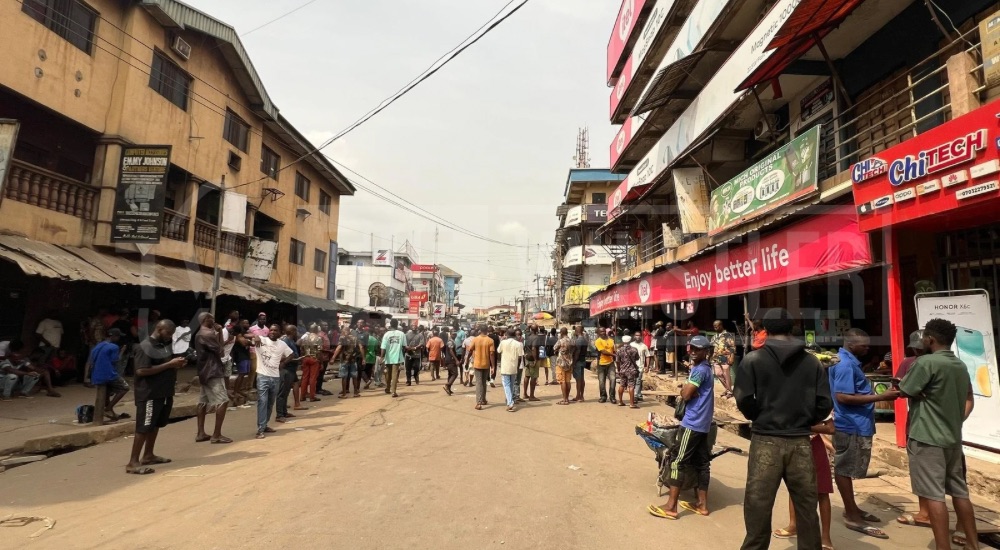
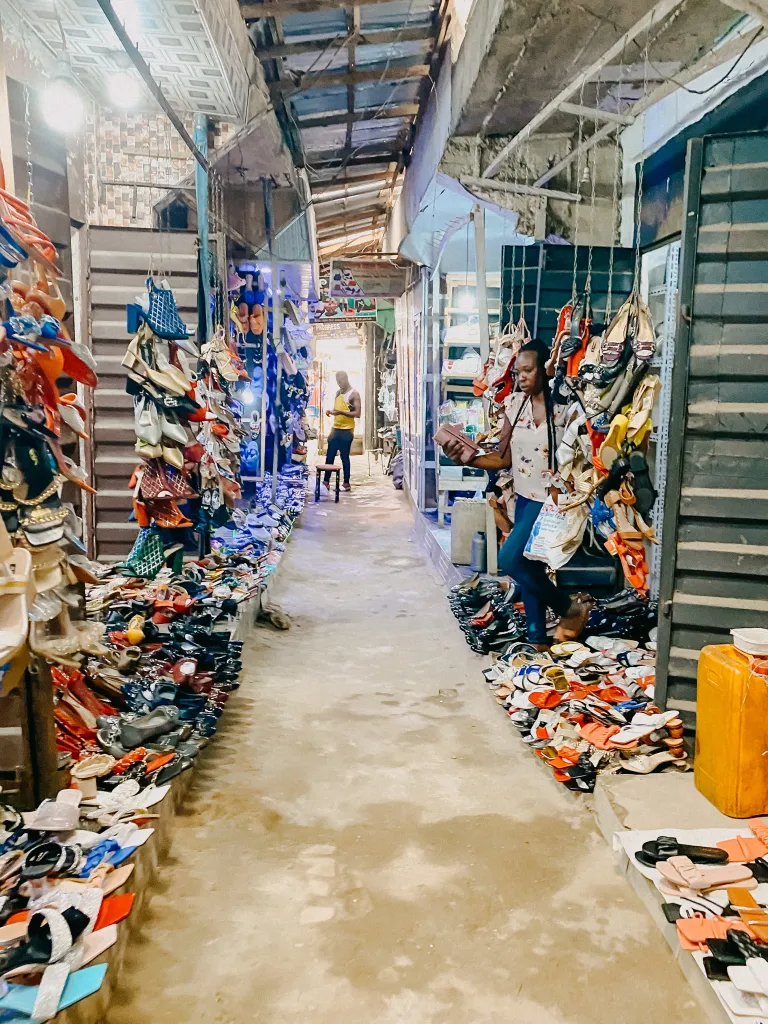
However, beneath this proud history lies a growing challenge that many people in the region are beginning to notice: South-East Nigeria risks falling behind in the fast-growing digital economy.
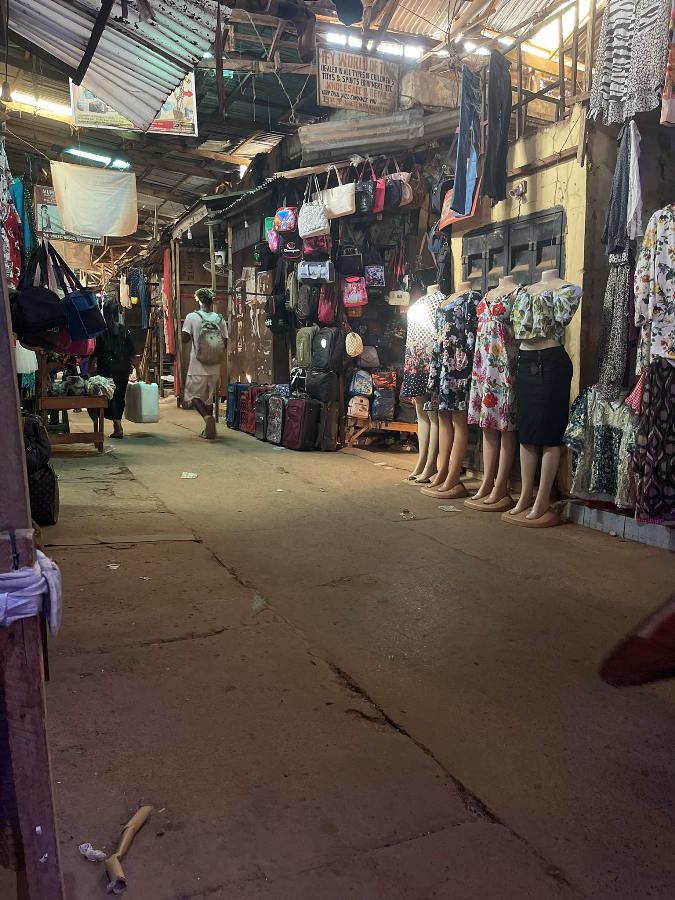
Today, the issue is no longer simply about owning smartphones or having internet access. The bigger question is whether a region known for commerce and trade can successfully adapt to a world where business is increasingly driven by technology and the internet.
Across Nigeria, business is changing rapidly. Physical shops are no longer enough on their own. Social media platforms such as Instagram, TikTok, Facebook, and WhatsApp have become major marketplaces. Many businesses now depend heavily on digital advertising, online payments, e-commerce, and delivery applications to reach customers.
In cities like Lagos, this digital transformation is already fully underway. Many entrepreneurs now run profitable businesses directly from their smartphones and laptops without relying heavily on physical stores. Marketing is done online, customer service is automated, and digital payments have become part of everyday business operations.
But in many parts of South-East Nigeria, the transition has been slower.
Despite having millions of traders and small business owners, many businesses in the region still lack basic digital tools such as websites, online catalogues, social media visibility, or digital payment systems.
Traditional methods of attracting customers, physical presence, word-of-mouth referrals, and face-to-face bargaining, still dominate commercial activities in many markets.
While this business culture once represented strength and trust, experts now believe it may be becoming a disadvantage in a digital-first economy.
Modern commerce rewards speed, visibility, convenience, and online accessibility. Businesses that cannot be found online are increasingly invisible to younger consumers who now discover products through social media, online searches, and digital recommendations before visiting physical stores.
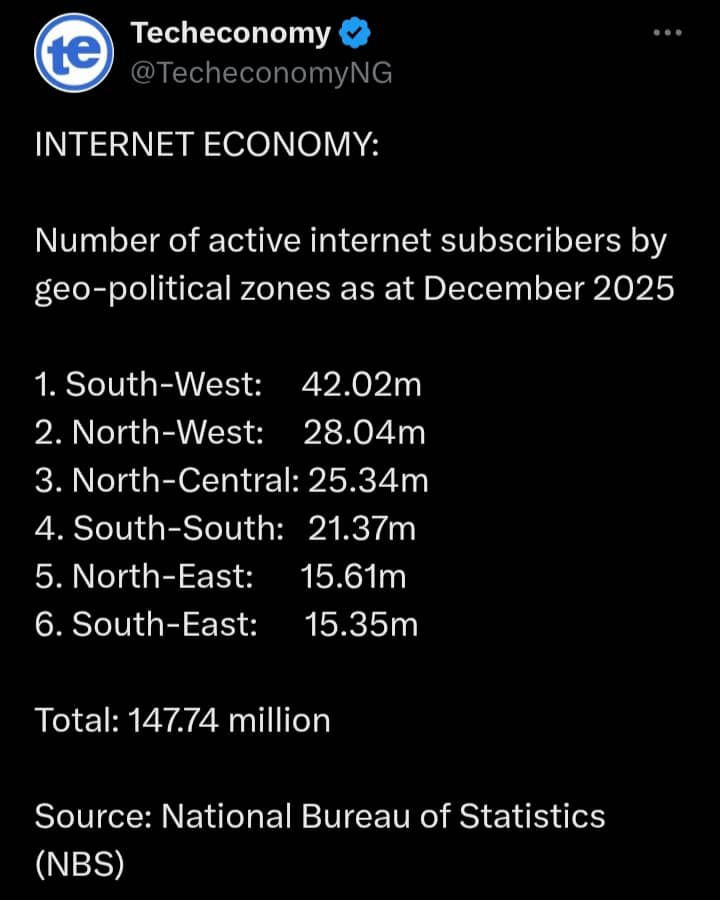
Recent data released by the National Bureau of Statistics highlights the scale of the challenge. According to the December 2025 figures, the South-East recorded the lowest number of active internet subscribers among Nigeria’s six geopolitical zones, with approximately 15.35 million users.
By comparison, the South-West recorded more than 42 million active internet subscribers, while even the conflict-affected North-East slightly outperformed the South-East in internet penetration.
These figures go beyond telecommunications statistics. In today’s world, internet access is closely linked to economic competitiveness. Regions with stronger internet adoption often experience faster business growth, stronger startup ecosystems, more innovation, and greater participation in global commerce.
For many analysts, the situation in the South-East reflects a deeper cultural challenge. Historically, Igbo business culture has been built around physical interaction, trust networks, direct negotiation, and physical market expansion across Nigeria and West Africa.
However, the internet economy operates differently. Online visibility now matters more than physical location. Algorithms influence customer reach. Businesses compete not only with local traders but also with global brands accessible through smartphones.

This means entrepreneurs who understand digital marketing, online branding, logistics integration, and e-commerce systems now hold a major advantage.
Some younger professionals and technology analysts argue that parts of the South-East business community remain skeptical about online commerce and digital marketing. In some cases, older business owners still prefer traditional sales methods and see social media advertising or internet-based transactions as unreliable.
But consumer behaviour has changed significantly, especially among younger Nigerians. Today’s customers often discover products through Instagram videos, TikTok clips, Facebook ads, WhatsApp updates, and online reviews. Convenience, branding, and digital presence increasingly shape purchasing decisions.
Meanwhile, technology-driven cities like Lagos are moving even further ahead with the adoption of artificial intelligence, cloud computing, fintech integration, automated customer support, and data-driven business systems.
Although some young entrepreneurs in cities such as Aba and Enugu are embracing innovation, many analysts believe the region’s overall digital transformation remains too slow compared to developments elsewhere in the country.
Importantly, this issue cannot be blamed entirely on poor infrastructure or government failures. While electricity challenges, weak broadband infrastructure, and limited institutional support remain serious problems, many experts believe mindset and cultural attitudes also play a major role.
Technology adoption requires behavioural change. Businesses must rethink how they attract customers, build trust, market products, and compete in a digital economy. This includes investing in digital skills, online branding, content creation, and e-commerce systems.
The stakes are high.
The global economy is increasingly being shaped by artificial intelligence, automation, big data, and internet-driven commerce. Regions that fail to adapt risk losing economic relevance regardless of their past commercial success.
For South-East Nigeria, this is more than a technology issue. It is a defining economic moment.
The region can modernise its strong entrepreneurial tradition for the digital age, or risk gradually losing its commercial advantage in a world where business success is increasingly determined by digital adaptability rather than physical market presence alone.
The warning signs are already visible. The real question is whether the region is ready to respond before the gap widens further.
*Anthony Emeka Nwosu is a media practitioner based in Lagos.