

ADVERTISEMENT
Monday, May 11, 2026
Tech | Business | Economy
No Result
View All Result
  • Technology
    • Trends
    • Telecoms
      • Broadband
    • ConsumerTech
      • Gadgets and Appliances
      • Apps
      • Accessories
      • Reviews
      • Unboxing
    • EnterpriseTECH
    • Security & Data Protection
    • How To
  • Business
    • Company News
    • StartUPs
      • Founder’s Story
      • Funding
    • Deals
    • People & Moves
    • SME & Entrepreneur Focus
    • BUSINESS SENSE FOR SMEs
    • Competition & Market Positioning
    • Commerce & Mobility
    • Travel
    • WomenPreneurs
  • Economy
    • Macroeconomic Trends
      • Macro Monday
      • TE Insights
    • Finance
      • Banks
      • Fintech
      • Insurance
      • Digital Assets
      • Personal Finance
    • Policies
      • Tech & Society
    • Market Analysis
    • Jobs & Workforce Economy
  • Features
    • Guest Writer
      • Chidiverse
      • Digital Assets
      • GameTech
    • EventDIARY
    • IndustryINFLUENCERS
    • MarkTECH
    • TBS
    • NewsEXTRA
  • Editorial
  • Brand Content
  • TECHECONOMY TV
Monday, May 11, 2026
Tech | Business | Economy
No Result
View All Result
Tech | Business | Economy
No Result
View All Result

Home » Airtel Money Growth Signals Africa’s Telecoms Are Becoming Banks

Airtel Money Growth Signals Africa’s Telecoms Are Becoming Banks

Airtel Africa is now scaling merchant payments, digital lending, savings products, remittance services, and app-based financial transactions

Peter Oluka by Peter Oluka
May 11, 2026
in Market Analysis
Reading Time: 2 mins read
0
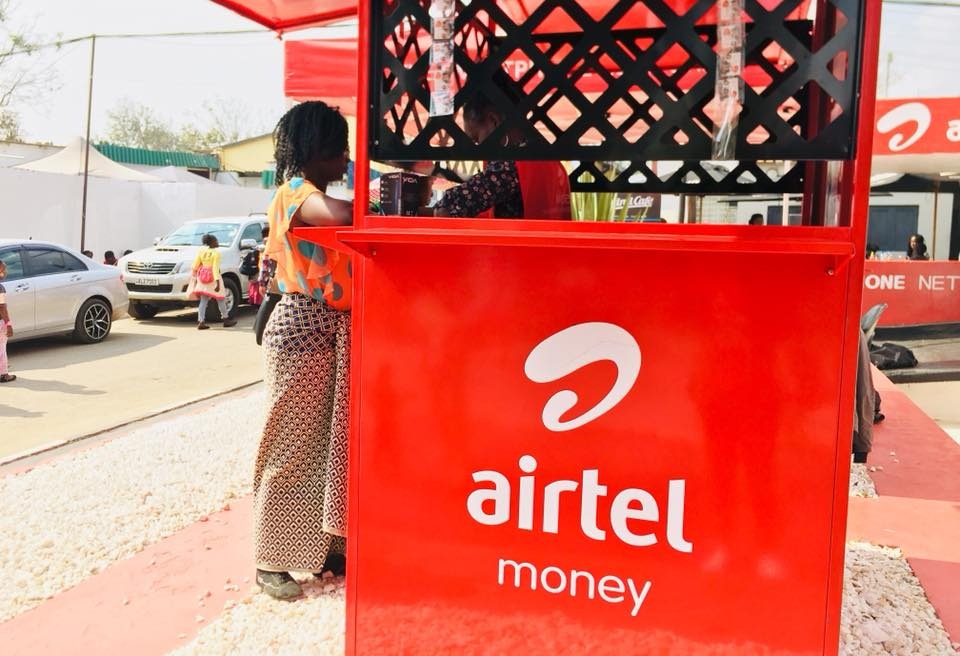
Airtel Money growth in Africa

Airtel Money growth in Africa

The latest financial results from Airtel Africa highlight a major transformation quietly reshaping Africa’s financial system: telecom operators are increasingly evolving into large-scale digital financial institutions.

With Airtel Money now serving more than 54 million active users across Africa, the company’s fintech business is no longer merely an add-on service to telecom operations. It is becoming a core pillar of revenue growth, customer retention, and digital inclusion.

The numbers reveal how rapidly mobile money is expanding beyond peer-to-peer transfers into a broader financial ecosystem. Airtel Africa is now scaling merchant payments, digital lending, savings products, remittance services, and app-based financial transactions at significant scale.

This evolution has major policy implications for African regulators.

For years, telecommunications regulators and central banks largely operated within separate institutional boundaries. Telecom companies handled connectivity, while banks controlled financial services. Mobile money is now blurring those distinctions.

Subscribe to our Telegram channel for the latest updates.

Follow the latest developments with instant alerts on breaking news, top stories, and trending headlines.

Join Channel

In several African markets, telecom-led fintech platforms already reach more consumers than traditional banks, particularly in rural and underserved communities where banking infrastructure remains weak.

Airtel Africa’s own strategy openly acknowledges this reality, describing limited access to formal financial services and cash dependence as major opportunities for expansion.

The growth trajectory also raises important questions for Nigeria and other African countries about future regulatory models.

East African markets such as Kenya have demonstrated how telecom-led financial systems can dramatically expand financial inclusion. Nigeria, however, has historically maintained stricter regulatory separation between banks and telecom operators in mobile money operations.

But the scale Airtel Money is now reaching across Africa may increase pressure on policymakers to rethink existing frameworks around digital payments, fintech licensing, interoperability, consumer protection, and telecom-finance convergence.

Another major implication lies in data.

Telecom operators possess massive behavioural datasets tied to communication patterns, location intelligence, transaction histories, and smartphone usage. Combined with mobile money platforms, this creates powerful new capabilities around credit scoring, digital identity verification, micro-lending, and personalised financial products.

At the same time, it raises concerns around cybersecurity, digital monopolies, privacy, and systemic financial risks if telecom-led fintech ecosystems become too dominant without corresponding regulatory safeguards.

The rapid expansion of mobile money also reflects a broader structural reality across Africa: financial inclusion is increasingly being driven not by traditional banking infrastructure, but by mobile connectivity.

As smartphone adoption rises and internet penetration deepens, telecom operators are becoming central gateways into Africa’s digital economy, connecting consumers not only to communication services, but also to payments, commerce, credit, and digital financial systems.

For policymakers, the Airtel Africa results send a clear message: the future of financial inclusion in Africa may depend as much on telecom infrastructure as on banking infrastructure itself.

0Shares
Previous Post

PAFON 3.0: Agency Banking Holds Key to Reaching Millions of Unbanked Nigerians – AMMBAN

Next Post

FG Threatens More Sanctions on Telcos over Poor Quality of Service

Peter Oluka

Peter Oluka

Peter Oluka (@peterolukai), editor of Techeconomy, is a multi-award winner practicing Journalist. Peter’s media practice cuts across Media Relations | Marketing| Advertising, other Communications interests. Contact: peter.oluka@techeconomy.ng

Related Posts

Anthony Emeka Nwosu

South-East Nigeria’s Digital Crisis: Why the Igbo Business Culture Risks Falling Behind in the Internet Economy

May 8, 2026
Naira Strengthens in Black Market, Closes at N1,535/$1

Dollar to Naira Exchange Rate Today, May 6, 2026

May 6, 2026

Nigeria PMI Hits 52.4, Capping a Strong Finish to April 2026

May 4, 2026
Load More
Next Post
Telcos - MTN, Airtel, Glo, T2 | Market share | Poor Quality of Service

FG Threatens More Sanctions on Telcos over Poor Quality of Service

Leave a Reply Cancel reply

Your email address will not be published. Required fields are marked *

I agree to the Terms & Conditions and Privacy Policy.

This site uses Akismet to reduce spam. Learn how your comment data is processed.

Techeconomy Podcast
Techeconomy Podcast

The Techeconomy Podcast is a thought-leadership show exploring the powerful intersection of technology, business, and the economy, with a strong focus on Africa’s fast-evolving digital landscape.

PROTECTING INNOVATION IN AFRICA’S STARTUP ECOSYSTEM
byTecheconomy

Protecting Innovation in Africa’s Startup Ecosystem . A timely conversation for the future of African entrepreneurship.

PROTECTING INNOVATION IN AFRICA’S STARTUP ECOSYSTEM
April 29, 2026
Techeconomy
BUILDING TRUST IN AFRICA ECOSYSTEM
February 27, 2026
Techeconomy
Navigating a Career in Tech Sales
January 29, 2026
Techeconomy
How Technology is Transforming Education, Health, and Business
November 27, 2025
Techeconomy
INNOVATION IN MOBILE BANKING
October 30, 2025
Techeconomy
Search Results placeholder
ADVERTISEMENT
  • About Us
  • Careers
  • Contact Us
  • Privacy Policy

© 2026 TECHECONOMY.

No Result
View All Result
  • Technology
  • Business
  • Economy
  • Features
  • Editorial
  • Brand Content
  • TECHECONOMY TV

© 2026 TECHECONOMY.

This website uses cookies. By continuing to use this website you are giving consent to cookies being used. Visit our Privacy and Cookie Policy.


