


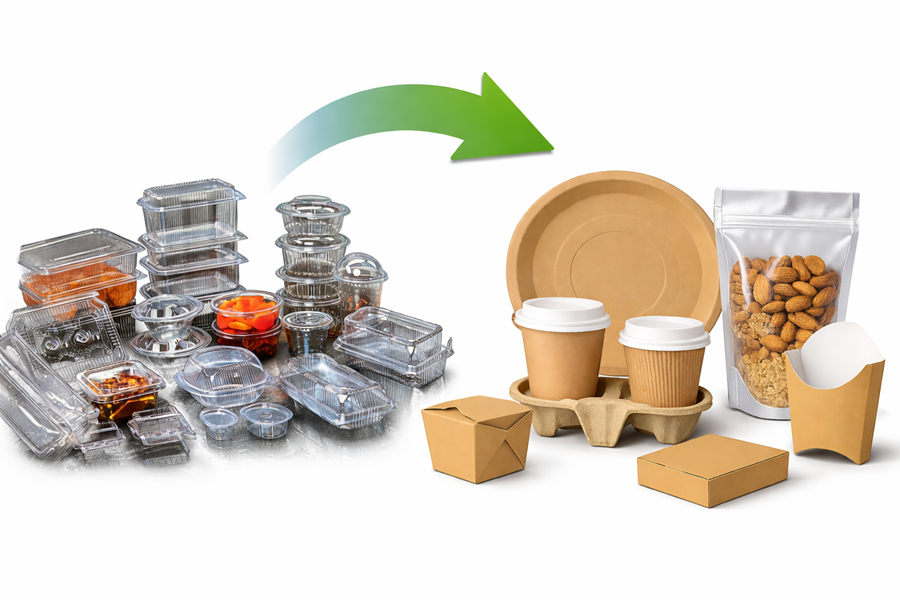
Plastic is one of the greatest inventions of modern manufacturing. It is cheap, lightweight, durable, water-resistant, and easy to mold into almost anything.
That is exactly why it became the default material for food packaging, consumer goods, retail, logistics, and industrial applications.
A plastic bottle can outlive the person who used it. A multilayer sachet can survive for decades in a landfill. A food wrapper used for five minutes can remain in the environment for hundreds of years. The problem is that the same durability that made plastic useful is also what makes it dangerous.
Packaging has become one of the largest contributors to plastic waste globally. A 2025 LetsRecycle’s estimate put global plastic waste at 225 million tonnes, with packaging remaining the single largest source of that waste.
Across Africa, the problem is becoming harder to ignore. Lagos alone generated an estimated 870,000 tonnes of plastic waste in 2024, much of which ended up in drainage systems, waterways, and informal dump sites.
In July 2025, Lagos began enforcing a ban on single-use plastics, including Styrofoam packaging, disposable cutlery, straws, and certain takeaway containers.
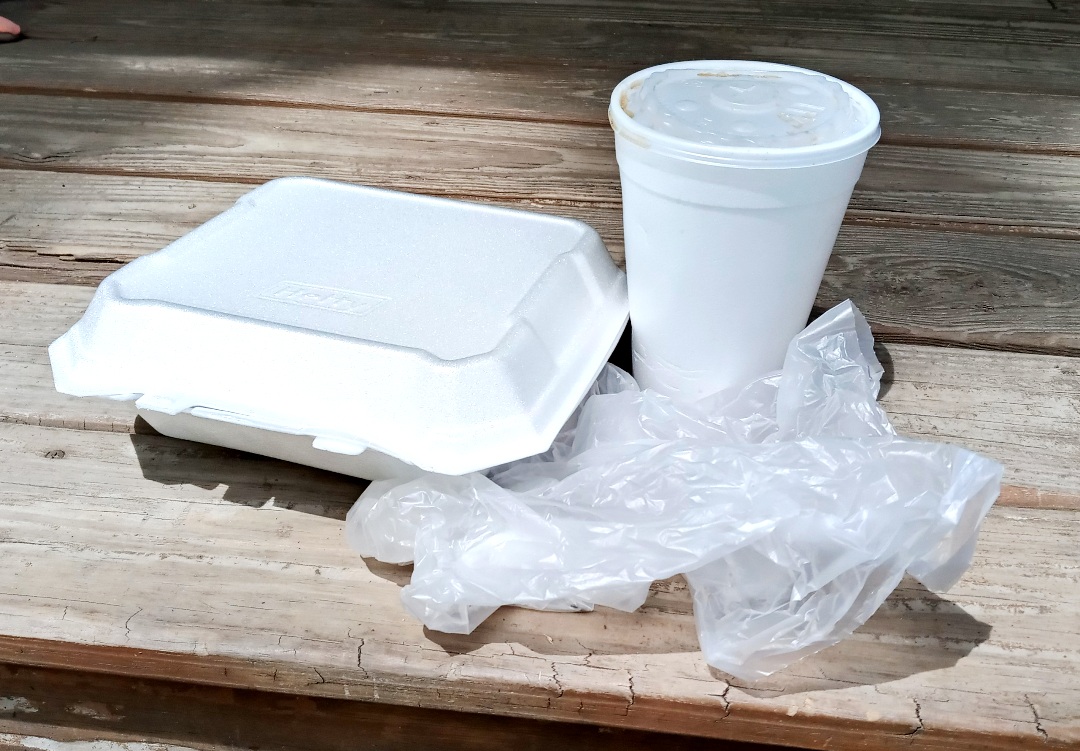
Countries such as Kenya, Rwanda, Ethiopia, Ghana, and Egypt have been tightening regulations around plastic packaging, while extended producer responsibility requirements have become more common across the continent.
Brands, manufacturers, and importers are increasingly being asked to take responsibility not only for producing packaging, but also for what happens after consumers throw it away.
Nigeria has also been moving in the same direction. In 2025, reporting indicated that the Federal Government was strengthening single-use plastic restrictions and developing packaging-sector regulations that would require producers, importers, and brand owners to fund collection, recycling, and disposal programs for their packaging waste.
Brands can no longer think about packaging only in terms of cost and shelf appeal. They now have to think about regulation, waste recovery, consumer perception, landfill exposure, ESG targets, and long-term risk.
Why Recycling Alone is Not Enough
For years, the answer to the plastic problem was recycling, but recycling has not scaled nearly fast enough to solve the issue.
A 2025 analysis of 2022 global plastics data found that only about 9.5% of plastic produced globally was made from recycled materials, while much of the remaining waste ended up in landfills, waterways, incinerators, or open-burning sites.
In many cases, we are simply moving the problem from one part of the value chain to another.
A multilayer plastic sachet may keep a product fresh, but once discarded, it becomes someone else’s problem to collect, sort, transport, recycle, or burn.
Aluminum foil can provide excellent oxygen and moisture protection, but it often requires energy-intensive extraction, complex multilayer combinations, and difficult end-of-life processing.
That is not a circular economy. That is simply delaying the clean-up.
Why Barrier Packaging Matters
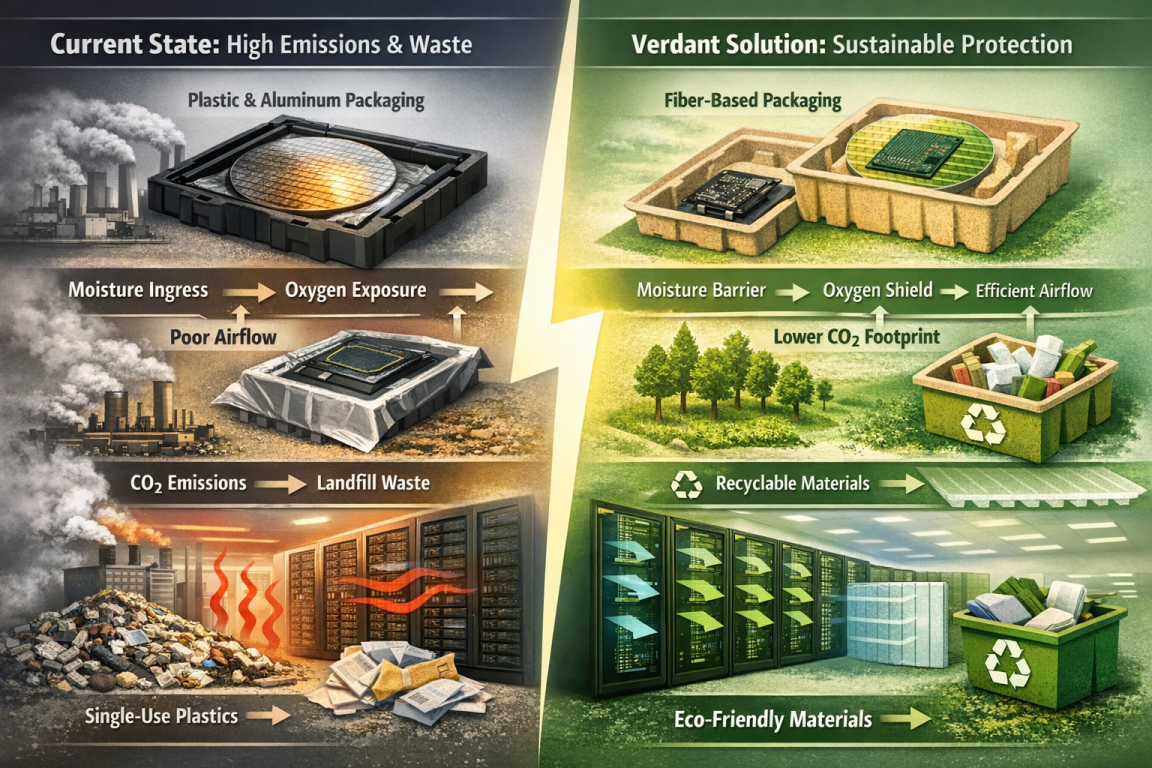
One of the biggest reasons plastics and aluminum remain dominant in packaging is that they protect products from oxygen, moisture, grease, oil, and contamination.
- Without that protection:
- Snacks lose crispness
- Powders absorb moisture
- Foods spoil faster
- Pharmaceuticals degrade
- Shelf life drops
- Waste increases
Barrier coatings are what keep chips crunchy, coffee aromatic, medicines stable, and dry foods shelf-ready for months. Oxygen and moisture are two of the biggest enemies of food quality. Effective packaging needs to prevent both.
However, Barrier technology is not limited to food packaging. In the semiconductor industry, chips, processors, sensors, and delicate electronic components are often packaged using specialized barrier films and moisture-resistant materials because even small amounts of oxygen or water vapor can damage performance, reduce reliability, or cause complete product failure.
Semiconductor manufacturers routinely use multilayer barrier films, foil laminates, and moisture barrier bags to protect chips during manufacturing, transport, and storage.
This is because humidity, oxygen, and contamination can corrode sensitive materials and shorten the lifespan of electronics.
Barrier films are also used in OLED displays, lithium batteries, flexible electronics, and printed circuits, where protection from moisture and oxygen is essential.
The challenge is that traditional barrier packaging usually relies on petrochemical plastics, foil laminates, or multilayer structures that are extremely difficult to recycle or biodegrade.
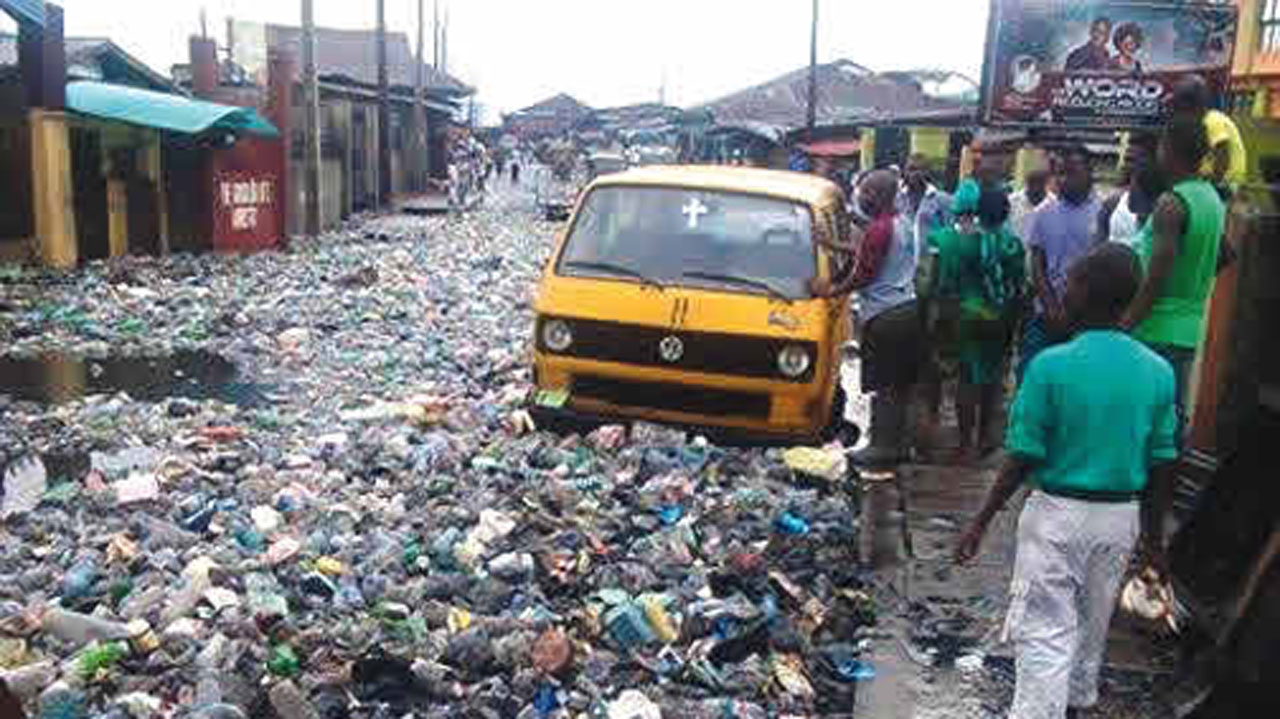
So while brands meet shelf-life requirements, they often increase long-term waste and regulatory risk.
This is where Verdant Sustainability comes in.
A Different Future for Packaging
Verdant Sustainability is a materials science R&D company that enables the shift from plastic to bio-based alternatives. Rather than asking brands to sacrifice functionality for sustainability, Verdant is building packaging materials that deliver both.
Verdant has developed bio-derived, biodegradable barrier technologies that replace petrochemical plastics and aluminum foil traditionally used in food packaging while delivering the same level of performance.
That means brands can still achieve:
- Oxygen barrier performance
- Moisture resistance
- Oil and grease resistance
- Leak resistance
- Product freshness
- Shelf-life extension
- Manufacturing compatibility
- Cost parity with conventional solutions
Verdant’s technologies are designed for real-world packaging environments across the food, beverage, consumer goods, and retail sectors.
The portfolio includes coatings and packaging formats across clamshells, plates, bowls, beverage cups, meal trays, sushi trays, takeaway containers, and more. All products are designed around Verdant’s green sustainable barrier technology.
Why should brands have to choose between performance and sustainability?
For a food manufacturer, quick-service restaurant, retailer, or converter, the goal is not to make packaging less functional. The goal is to make it less harmful.

For brands/companies like Nestle, UAC, Fan Milk, McDonald’s, and Starbucks, this means transitioning to bio-based film coatings for snacks, powders, and dry foods without losing shelf life or increasing costs.

For converters, it means working with materials that fit into existing production lines while helping brands/companies meet regulatory and ESG targets.
For brands, it means avoiding the “green tax” that often comes with sustainable alternatives.

For the environment, it means packaging that naturally decomposes over time without leaving behind microplastics, toxic residues, or complex clean-up costs.
Why This Matters Now
The shift away from plastic is no longer a future conversation. Governments are tightening regulations. Consumers are becoming more conscious. Investors are paying more attention to sustainability metrics. Retailers are demanding more responsible packaging from suppliers.
The companies that move early will have an advantage, while those that wait may find themselves paying more later through regulation, waste obligations, compliance costs, and lost market relevance.
Verdant believes the future of packaging should be high-performing, commercially viable, and environmentally responsible.
Let us talk: enquiry@verdantsustainability.com
About the Author

Gbolahan Alli operates at the intersection of sustainability and execution, translating hands-on experience in building and scaling systems into the commercialization of green chemistry solutions at Verdant Sustainability. His work advancing barrier technologies for packaging and consumer goods is grounded in real-world deployment, shaping practical perspectives on the transition from plastic dependence to viable, scalable alternatives.



