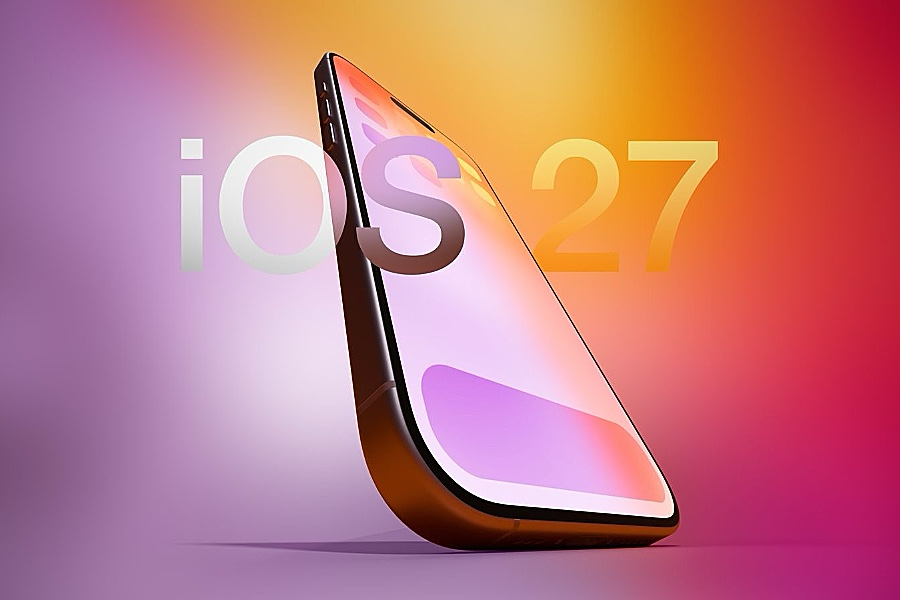
Apple has released the public beta of iOS 27, giving millions of iPhone users early access to its redesigned Siri and a range of new features before the software’s full rollout later this year.
The beta is now available through Apple’s Beta Software Program for eligible iPhones, allowing users outside the developer community to test the company’s most significant Siri update to date.
Alongside iOS 27, Apple has also opened public beta testing for iPadOS 27, macOS 27 Golden Gate, watchOS 27, tvOS 27, HomePod Software 27 and new AirPods firmware.
At the centre of the update is a rebuilt Siri that can understand follow-up questions, remember the context of previous conversations and complete more complex requests.
Users can ask Siri to find an old photo, locate information in emails or notes, edit a message, or perform several tasks in one request without repeating themselves.
Apple has also introduced a dedicated Siri app while keeping the assistant integrated across the operating system.
Users can still activate Siri with “Hey Siri” or the side button, but they can now continue conversations across Apple devices from the new app.
The assistant can also respond to information displayed on the screen. For example, it can summarise text messages, add appointments mentioned in conversations to the calendar and answer questions about what a user is viewing.
Apple said Siri now understands personal context better, making it easier to find information stored on a device.
“Siri AI can find relevant answers to what you’re looking for just by asking. Search for a photo from years ago, easily locate an email buried in your inbox, or pull up the details from a note you saved.”
The company has also expanded Siri’s ability to work with apps such as Messages, Music and Reminders, allowing users to carry out actions without switching between applications.
Beyond Siri, iOS 27 comes with improvements across several built-in apps. The Photos app adds new editing tools, including Spatial Reframing, an enhanced Clean Up feature and image expansion.
Safari now groups related tabs automatically and introduces a “Notify Me” feature that alerts users when monitored webpages change, such as after a price drop or product restock.
Messages and Mail also receive new writing tools, while the Passwords app can detect weak or compromised passwords and help users replace them more easily.
Calendar has gained the ability to create or edit events from simple written descriptions, and Dictation has been improved to recognise speech more accurately.
Apple is also extending Visual Intelligence to more devices. The feature lets users search, ask questions and perform actions based on objects seen through the camera or content displayed on the screen.
It can identify items, provide nutritional information, import cards into Apple Wallet and help users interact with screenshots on Mac and iPad.
Several communication features are included as well. Live Translation can translate messages, FaceTime captions and phone conversations, while Call Context surfaces relevant information from emails or other apps during calls.
Apple said privacy is highly important to the new experience. Most requests are processed directly on the device using Apple Intelligence, while more demanding tasks rely on Private Cloud Compute.
According to the company, personal data is not stored or made accessible during processing.
Some advanced features, however, require newer hardware. Apple Intelligence features are limited to supported devices, including the iPhone 15 Pro and newer models.
Although Apple has made the beta available to the public, users should expect unfinished software. Early versions may still contain bugs, affect battery life or cause compatibility issues with some apps.
Those who rely on their devices for work or other important tasks may prefer to wait for the stable release, which Apple expects to launch later this year.