

ADVERTISEMENT
Saturday, June 6, 2026
Tech | Business | Economy
No Result
View All Result
  • Technology
    • Trends
    • Telecoms
      • Broadband
    • ConsumerTech
      • Gadgets and Appliances
      • Apps
      • Accessories
      • Reviews
      • Unboxing
    • EnterpriseTECH
    • Security & Data Protection
    • How To
  • Business
    • Company News
    • StartUPs
      • Founder’s Story
      • Funding
    • Deals
    • People & Moves
    • SME & Entrepreneur Focus
    • BUSINESS SENSE FOR SMEs
    • Competition & Market Positioning
    • Commerce & Mobility
    • Travel
    • WomenPreneurs
  • Economy
    • Macroeconomic Trends
      • Macro Monday
      • TE Insights
    • Finance
      • Banks
      • Fintech
      • Insurance
      • Digital Assets
      • Personal Finance
    • Policies
      • Tech & Society
    • Market Analysis
    • Jobs & Workforce Economy
  • Features
    • Guest Writer
      • Chidiverse
      • Digital Assets
      • GameTech
    • EventDIARY
    • IndustryINFLUENCERS
    • MarkTECH
    • TBS
    • NewsEXTRA
  • Editorial
  • Brand Content
  • TECHECONOMY TV
Saturday, June 6, 2026
Tech | Business | Economy
No Result
View All Result
Tech | Business | Economy
No Result
View All Result

Home » Harmonising Payments in Africa Depends on Harmonising Regulations across the Continent

Harmonising Payments in Africa Depends on Harmonising Regulations across the Continent

Techeconomy by Techeconomy
September 27, 2022
in Finance
Reading Time: 4 mins read
0
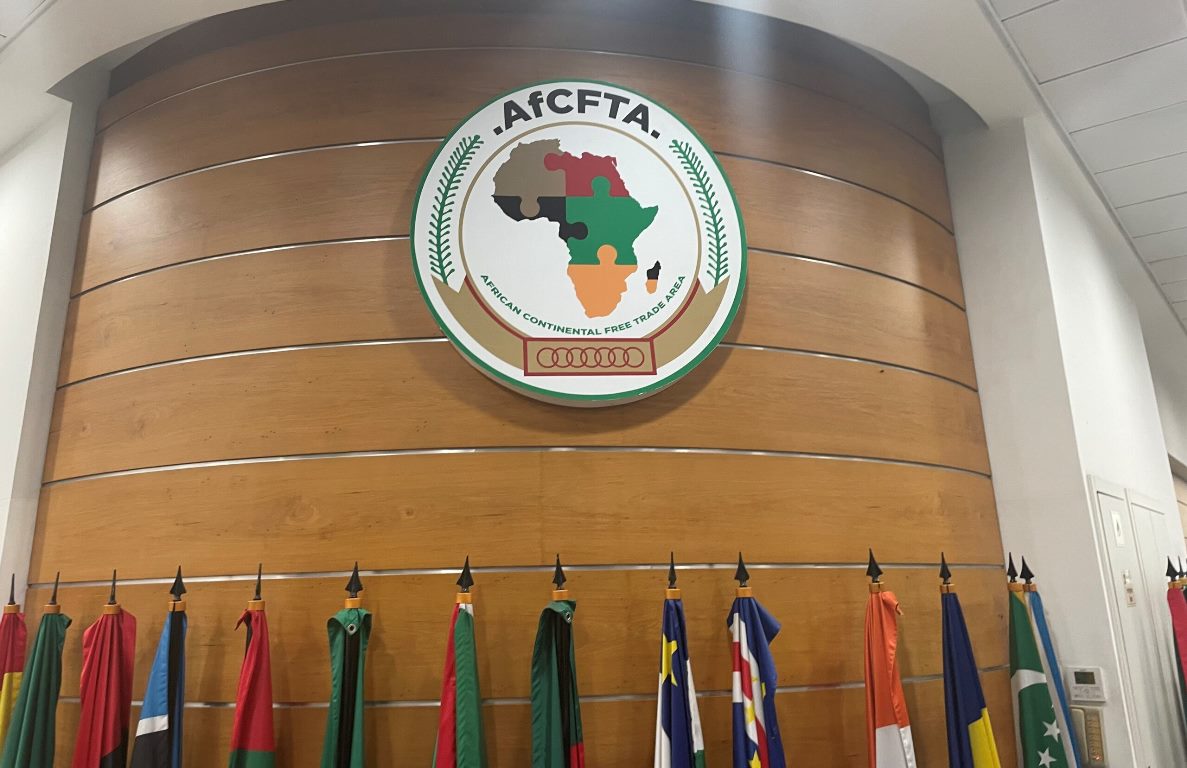
AfCFTA - African Continental Free Trade Agreement | Payments

AfCFTA - African Continental Free Trade Agreement

Most African businesses, if asked, would leap at the chance to expand their markets beyond their home countries.

And whether it’s a Kenyan fashion designer wanting to make their Summer range available to South Africans or a Ghanaian cocoa bean wholesaler looking to reach traders in Lagos, payments are key to making that dream a reality. 

While technology has undoubtedly made things a lot easier than they once were, we believe that there’s always more that can be done.

A customer sitting in Johannesburg should, for example, be able to make a payment to someone in Nairobi as easily as making a phone call.

Critically, they should be able to do so using whatever platform they’re most comfortable with and the same should be true of the business or person receiving the payment on the other side. 

Subscribe to our Telegram channel for the latest updates.

Follow the latest developments with instant alerts on breaking news, top stories, and trending headlines.

Join Channel

But achieving that level of payment harmony increasingly requires the ability to navigate and comply with a growing number of regulations across the continent and around the world. That shouldn’t be seen as a hindrance though. Regulations are a sign of a maturing environment and, for the companies that embrace compliance, may actually be key to growth. 

Understanding African payment regulations 

Before digging into how companies can unlock compliance, it’s worth getting a sense of the regulatory landscape African payments companies typically navigate. In most jurisdictions, there are numerous licences required to operate and the regulatory environment is still evolving to match technological advancements. 

These range from a Payment Service Provider licence in Kenya to a Payment Terminal Service Provider licence in Nigeria. While many of these regulations have common features, there are also significant enough differences that each has to be given due care and attention. 

Almost every country across the continent has multiple such licence categories and the application process can sometimes take months, or even years. Errors or exclusions can slow the process down and sometimes the process has to start from scratch if a regulator requests more information to support your application.

Applying for these licences also cost money. Businesses not only have to pay non-refundable application fees, but they must also show regulators that they have the necessary capital to meet the ongoing requirements of those licences. That means setting aside capital which might otherwise be used for the organisation’s daily operations.

That does not, however, mean that businesses looking to expand on the continent should simply give up on expanding into new markets or on utilising new forms of payment. Far from it. 

Partnering for compliance 

As African regulatory bodies come to terms with the growth of the continent’s payments space, there may be increased opportunities for both African and international businesses.

The more, and better, regulated the space is, the more comfortable people will feel using new forms of payment as well as using payment forms they’re already familiar with, to purchase goods and services. Key to unlocking those opportunities, however, is finding the right payment partner. 

Such a partner should have a strong track record of facilitating interoperability and of helping both African and international businesses enter new markets on the continent. It should also have a dedicated regulatory team that has a keen grasp of the processes, procedures and policies needed to negotiate an organisation’s smooth arrival in whichever African market it plans on entering. 

Perhaps most importantly, however, partner with an organisation that is ahead of the curve and able to anticipate changes in the rapidly changing regulatory environment. That, in turn, means constant engagement with regulators across the continent and abroad. 

Embracing harmonised payment regulation 

African consumers and businesses alike increasingly expect payments to be fully harmonised (even if they don’t express it in those terms). But in order for digital payments to be truly borderless and in ‘harmony’, regulators need to be willing to embrace regional and continent-wide collaboration on regulation, licensing and ongoing oversight. 

While the African regulatory payment landscape continues to develop at its own pace, having the right payment partner can make pan-African market entry a great deal simpler.

For more information on payments licences and regulations – visit this link: link.  

0Shares
Previous Post

The Future of GameFi – Why are Firms Still Investing?

Next Post

Binance Celebrates “Cryptotourism” in Nigeria

Techeconomy

Techeconomy

Related Posts

Abbey Mortgage Bank Building | Commercial Banking

Abbey Mortgage Bank Acquires Banking Licence

June 6, 2026
Flutterwave and Tempo

Flutterwave Taps Tempo to Deepen Stablecoin Infrastructure in Africa after Turnkey Deal

June 5, 2026

Dollar to Naira Exchange Rate Today, June 5, 2026

June 5, 2026
Load More
Next Post

Binance Celebrates “Cryptotourism” in Nigeria

Leave a Reply Cancel reply

Your email address will not be published. Required fields are marked *

I agree to the Terms & Conditions and Privacy Policy.

This site uses Akismet to reduce spam. Learn how your comment data is processed.

Techeconomy Podcast
Techeconomy Podcast

The Techeconomy Podcast is a thought-leadership show exploring the powerful intersection of technology, business, and the economy, with a strong focus on Africa’s fast-evolving digital landscape.

Financing the Future: Venture Debt, Local Capital & African Innovation | TBS May 2026 Webinar
byTecheconomy

Africa’s innovation ecosystem is evolving, but where will the funding for the next generation of startups come from?

In this edition of the Techeconomy Business Series (TBS) May 2026, industry experts explore how local capital, venture debt, and smarter investment structures are redefining startup growth and innovation across Africa.

🎙️ Featured Speakers:

* Ebunoluwa Ashley-Dejo

* Damilare Davola

* Success Ajilore (STN & Accelerated Plus)

Key conversations in this webinar include:

✔️ The future of startup financing in Africa

✔️ Venture debt and alternative funding models

✔️ The role of local investors in scaling innovation

✔️ Sustainable investment strategies for African startups

✔️ Opportunities and challenges in the African tech ecosystem

Subscribe for more conversations shaping Africa’s digital economy and innovation landscape.

#TBS2026 #AfricanInnovation #VentureDebt #StartupFinance #TechInAfrica #Techeconomy #AfricanStartups #InnovationEconomy

Financing the Future: Venture Debt, Local Capital & African Innovation | TBS May 2026 Webinar
May 27, 2026
Techeconomy
PROTECTING INNOVATION IN AFRICA’S STARTUP ECOSYSTEM
April 29, 2026
Techeconomy
BUILDING TRUST IN AFRICA ECOSYSTEM
February 27, 2026
Techeconomy
Navigating a Career in Tech Sales
January 29, 2026
Techeconomy
How Technology is Transforming Education, Health, and Business
November 27, 2025
Techeconomy
Search Results placeholder
MTN Live It 100 Thematic Campaign
ADVERTISEMENT
  • About Us
  • Careers
  • Contact Us
  • Privacy Policy

© 2026 TECHECONOMY.

No Result
View All Result
  • Technology
  • Business
  • Economy
  • Features
  • Editorial
  • Brand Content
  • TECHECONOMY TV

© 2026 TECHECONOMY.

This website uses cookies. By continuing to use this website you are giving consent to cookies being used. Visit our Privacy and Cookie Policy.

