

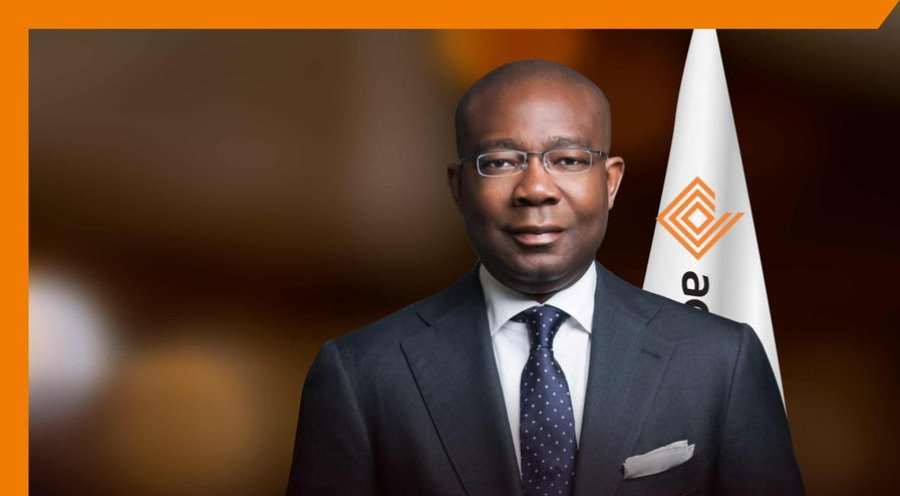
Aigboje Aig-Imoukhuede, the chairman of Access Holdings Plc, has called for a strategic synergy between the private and public sectors to transform Lagos into a global ecosystem where finance, technology, and culture converge.
Speaking in an interview with CNN’s Zain Asher on Marketplace Africa, the banking veteran emphasized that for Nigeria to fully harness its creative capital, the country must invest heavily in physical and digital infrastructure to support its booming art scene.
Infrastructure: The Missing Link for African Art
Aig-Imoukhuede highlighted a significant gap between the talent of African artists and the infrastructure available to promote them. Using a relatable comparison to the music industry, he noted that creative talent cannot scale without the right platforms.
“Davido can’t play a concert to 50,000 Nigerians without an arena to do it. Artists cannot be bought unless you have museums and galleries that show them,” he said.
While acknowledging that the private sector is beginning to step up, he warned that the pace of development is still lagging behind the global demand for contemporary African works.
Lagos as a Global Creative Hub
Beyond the aesthetic value of his private collection, some of which is slated for exhibition at the Tate Modern in London, Aig-Imoukhuede is pushing for a “master plan” for Lagos.
His vision involves:
Integrating Sectors: Creating an ecosystem where finance, tech, and culture merge.
Intentional Programming: Establishing a fixed annual calendar of high-profile events for Lagos to attract international tourism and investment.
Market Trends: Encouraging African artists to remain authentic while staying competitive as the global art market denationalizes and moves toward universal styles.

The Nigerian Burden in the African Narrative
Addressing Nigeria’s dominant role in the continent’s creative exports, the Access Holdings Chairman pointed to the country’s sheer scale as a driver for its visibility.
“1 out of every 4 black Africans is Nigerian… because we are so visible at every turn, I think we bear the burden for Africa,” he noted, suggesting that Nigeria’s success in art and culture effectively sets the pace for the rest of the continent.
Currency Devaluation and the Export Paradox
One of the most striking points of the conversation touched on the macroeconomic impact on the art market.
Aig-Imoukhuede explained that African art has become a unique hedge against currency volatility.
Universal Valuation: Unlike local commodities, high-end art is often valued in universal currency (US Dollars).
The Devaluation Effect: As local currencies like the Naira weaken, art becomes more expensive for local buyers, but more attractive as an export.
Investment Shift: Over the last decade, currency challenges across Africa have reshaped the art world, making it a critical asset class for savvy investors looking to preserve value.
What This Means for the Economy
Aig-Imoukhuede’s stance aligns with a growing trend among Nigeria’s financial elite who view the Orange Economy (the creative sector) as a viable alternative to oil for foreign exchange earnings.
By positioning Lagos as a structured cultural hub, the goal is to ensure that the Nigerian brand translates into tangible GDP growth and international soft power.
As Nigerian modernism gains a foothold in institutions like the Tate Modern, the focus must shift from merely creating art to owning the infrastructure that distributes it.