

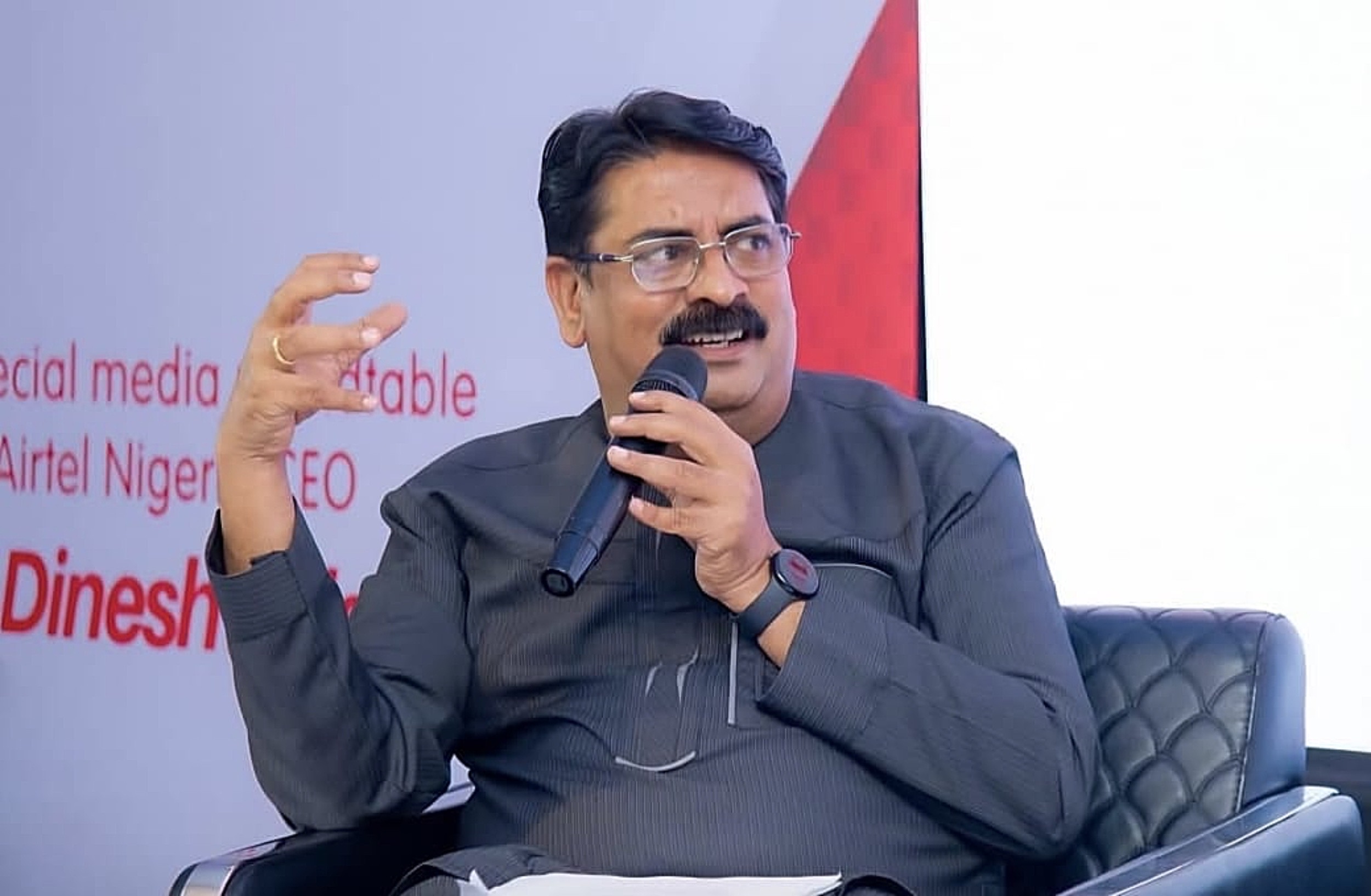
Airtel Nigeria says it has expanded its network by about 2,000 sites in two years, taking its total to 17,000 nationwide, as it rolls out what it describes as one of its biggest investment cycles in the country.
This was revealed at a media roundtable held on Wednesday, February 5, 2026, days after Airtel Nigeria executives visited the Nxtra data centre site at Eko Atlantic.
The facility, which Airtel says will have a capacity of 38 megawatts, is expected to be one of the largest in Nigeria when completed.
Speaking at the session, Airtel Nigeria’s Managing Director and Chief Executive Officer, Dinesh Balsingh, said the company had increased the number of its network sites by close to 15% between December 2023 and now, with most of that growth happening in the last six months.
“We were a 15,000 site network. Now we’re about 17,000 sites,” Balsingh said. “And more investment on site building is going to come.”
He said the expansion has focused on rural communities, smaller towns and the outskirts of major cities, alongside capacity upgrades in urban areas where data use continues to increase.
According to Airtel, about 25% of its existing sites have already been upgraded with additional radio equipment to carry more data. The company said similar upgrades would continue over the next two years as demand grows.
Balsingh said Airtel had also added 10 megahertz of spectrum to its 4G network, increasing capacity by about 20%. He noted that most mobile data traffic in Nigeria still runs on 4G, even as the company accelerates its 5G rollout.
“In the last three months, we more than doubled our 5G sites,” he said, adding that Airtel plans to extend 5G coverage across about 25% of its network in the country’s top cities.
On rural connectivity, Airtel Nigeria said it is increasingly using satellite technology where fibre or microwave links are difficult to deploy. Harmanpreet Dhillon, chief technology officer of Airtel Nigeria, noted a recent deployment in Taraba State.
“It’s a remote town in Taraba, where we have connected the site,” Dhillon said. “Otherwise, laying a terrestrial network there, reaching there through fibre, was practically impossible.”
The telecom giant is already using Starlink satellite links to serve remote bank branches, oil facilities and security patrol locations, and has announced a direct-to-cell partnership that would allow satellite connectivity on mobile phones, subject to regulatory approval.
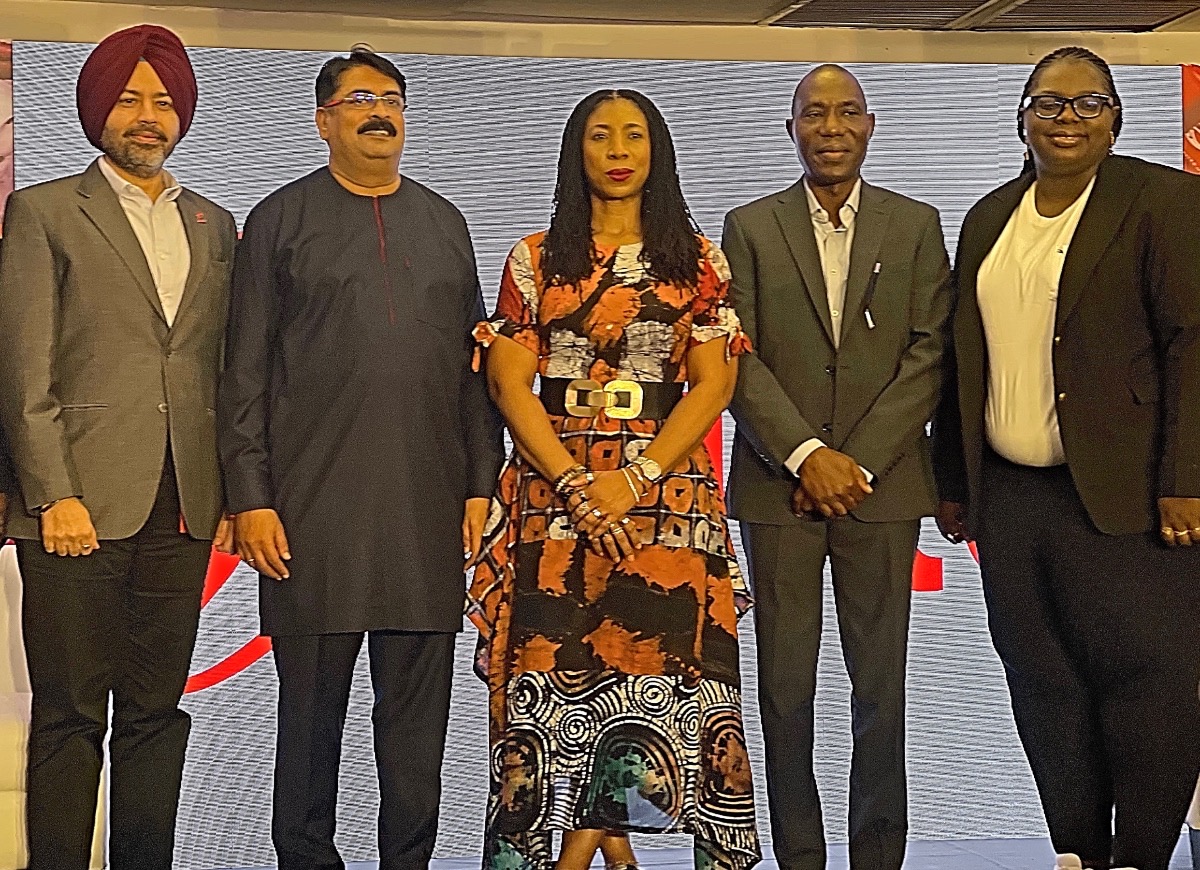
Ogo Ofomata, Airtel Business director said the company is focused on bringing connectivity to businesses in challenging locations, using every technology available.
Stressing how Airtel Nigeria has solved challenges through fixed wireless access, she said, “Nobody needs to visit the site anymore, and the service runs 99.9% of the time,” she said.

Satellite services, including Starlink, are helping to connect remote branches and support security patrols in the Niger Delta. According to Ofomata, these solutions are already impacting how businesses operate and improving lives in underserved areas.
On transmission infrastructure, the company revealed it is expanding its fibre footprint by about 25% and has completed nearly half of that work.
Airtel Nigeria also announced a new internet traffic breakout point in the south of the country, using the 2Africa submarine cable landing in Akwa Ibom State.
“Traffic today that comes from the south and the north travels all the way to Lagos and breaks out,” Balsingh said. “So now you have that traffic go to the south and then break out.”
The additional breakout would improve resilience and reduce pressure on existing routes into Lagos.
Meanwhile, on the data and computing side, Airtel Nigeria operates a large private, fully virtualised data environment ahead of the Eko Atlantic data centre facility going live.
Kemi Ariyo, director of IT at Airtel Nigeria, said the company currently runs significant computing and storage capacity in-house.
“We’ve got over 20,000 gigahertz of compute power,” Ariyo said. “We’ve got dedicated AI clusters and over 20 petabytes of data.”
She stressed that the infrastructure supports network automation, fraud detection and customer protection systems, including tools to block spam and malicious links.
Another highlight was the scale of Airtel Nigeria’s retail and distribution network. The company said its services are available through about 200,000 outlets nationwide, alongside roughly 4,000 exclusive stores and 250 flagship outlets.
“We want to ensure that every 100 metres that you go, you will see an Airtel outlet,” said Ismail Adeshina, director of Marketing at Airtel Nigeria.
On investment figures, Airtel plans to double its investments in Nigeria, both in the new data centre and beyond. Balsingh acknowledged ongoing challenges, including fibre cuts and power limitations, but said Airtel was working with regulators and government agencies to manage the risks.
“2026 will be another massive year of investments,” Balsingh said. “We are building scale, building resilience, building high capacity, and building the future.”
The company said it plans to hold further briefings later in the year to update the media on progress.